The Industry 4.0 technologies have revolutionized several sectors, and have also brought about Innovation in architecture.
Innovation in Architecture and Industry 4.0 Technologies
In the era of Industry 4.0, architecture is undergoing a rapid transformation thanks to the synergy between technology and design. The Innovation in Architecture, driven by advances such as artificial intelligence, augmented reality, and digital manufacturing, is redefining the limits of what is possible in the creating livable and functional spaces. For professionals in the industry, keeping up with these innovations is crucial not only for survival, but also for highlight in an increasingly competitive and demanding market.
All of this translates into growth in this field, which in turn stems from new technologies. Or at least that is what the Industrial Observatory Barometer in the construction industry, which continues to show positive results. What about you? Are you ready to become an innovative architect and adapt your knowledge to Industry 4.0?
World Creativity and Innovation Day
The World Creativity and Innovation Day, held on April 21 Every year, this day serves as an inspiring reminder to the global community of the transformative power of creativity and innovation in all aspects of life, including architecture. In a world where Industry 4.0 technologies are constantly redefining the limits of what is possible, this day offers an invaluable opportunity to reflect on how creativity and innovation are driving significant advances in the field of architecture—from design to construction and beyond.
Alternatives for Architecture 4.0
At the forefront of contemporary architecture, the Industry 4.0 It has sparked an unprecedented wave of innovation, radically transforming the way we conceive, design, and build our living environments. From the reinvention of traditional materials to the integration of smart technologies, the field of architecture is in the midst of a revolution driven by creativity and technology. In this section, we will explore some of the the most exciting innovations that are redefining the boundaries of contemporary architecture, from biophilic design to augmented reality in construction, highlighting how these trends are shaping the future of our built environment.
1. New uses for «raw» materials:
Advances in Industry 4.0 have enabled the exploration and application of traditional materials in innovative ways. Since the from cork to recycled wood and stone, new manufacturing and construction techniques are being developed that make the most of these materials' properties, offering sustainable solutions and aesthetically pleasing.
2. Biophilic design:
Inspired by nature, the biophilic design search integrate natural elements into the built environment to improve the well-being and productivity of its occupants. Thanks to the Industry 4.0, Architects have access to tools and technologies that allow them to more effectively incorporate natural light, outdoor views, and vegetation into their designs, creating spaces that foster a connection with nature.
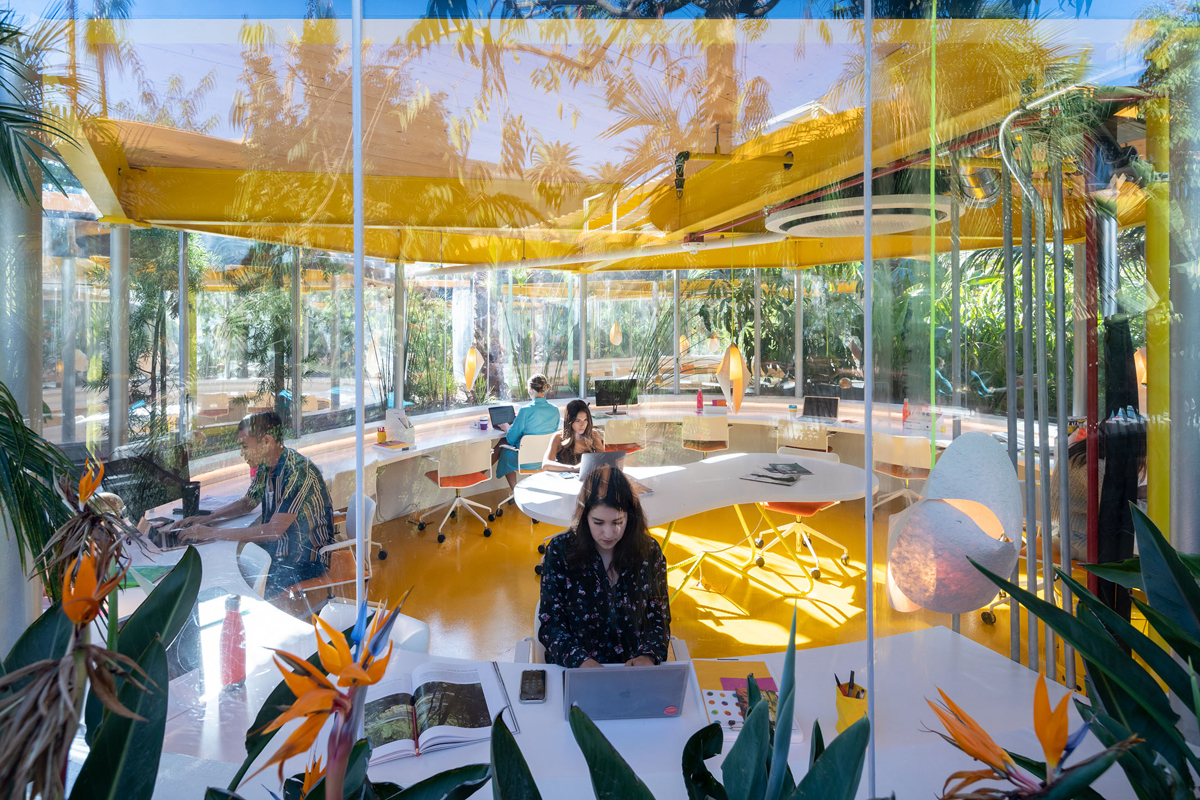
Biophilic offices designed by the Salgascano architecture firm are setting trends in architectural innovation. HIC
3. Home automation and artificial intelligence go hand in hand:
The combination of home automation and artificial intelligence is giving rise to home automation and control systems smarter and more efficient. From energy management to safety and comfort, these systems They use advanced algorithms to learn and adapt to behavior for users, anticipating their needs and optimizing building operations in a personalized way.
4. Augmented Reality in Construction:
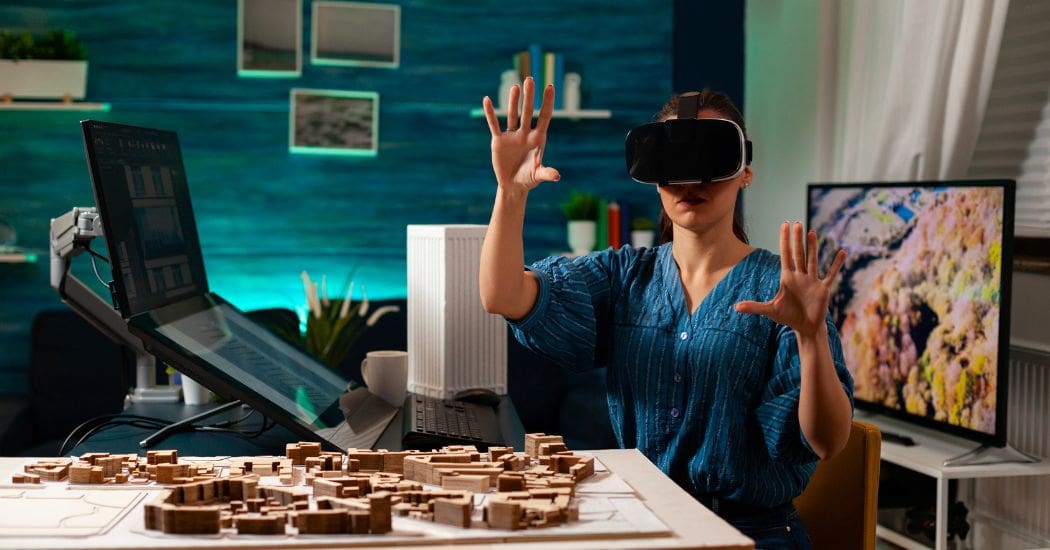
Augmented reality is revolutionizing the way construction projects are planned and executed. Through the overlaying digital models onto the physical environment, Architects and builders can accurately visualize how design elements will be integrated into the construction site, identify potential conflicts and make informed decisions in real time, which improves efficiency and reduces errors during the construction process.
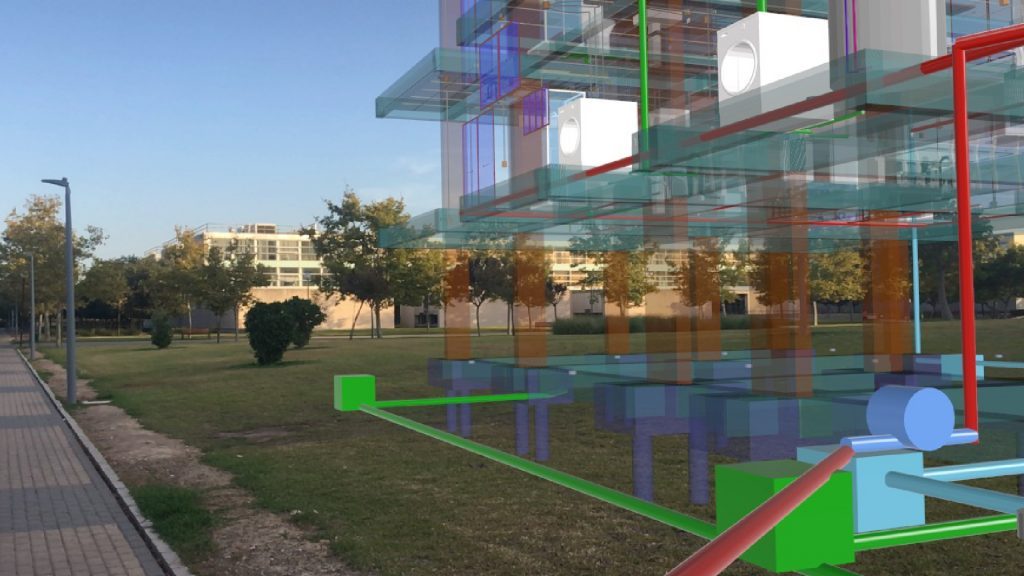
An example of architectural innovation that can result from the use of Augmented Reality in the design of buildings. BIMserver.center
5. Expanded BIM Capabilities with Parametric Design:
BIM (Building Information Modeling) technology has been enhanced with parametric design, allowing architects to create intelligent digital models that go beyond static representations of buildings. With parametric design, the elements of the model can automatically respond to changes in design parameters, which makes it easier to explore multiple options and optimize designs at every stage of the architectural project.
Now that you're familiar with all the technological trends that are driving a paradigm shift in the industry, what are you waiting for to specialize in the related fields? Structuralia offers a wide variety of Courses and specialized master's programs in architecture, with the industry's most cutting-edge tools and the most highly trained professionals.