
The colonial architecture It had a huge impact on Latin America, and its influence can still be felt today.
Latin American Colonial Architecture and Its Influence Today
In a world where Technology is advancing or changing at a rapid pace, it is essential to look back at the past and reflect on the architectural styles that have shaped our cities and societies. Colonial Architecture, in particular, offers a variety of contributions that not only defined an era, but also continue to influence modern architectural design. In the race to adopt new technological trends, we run the risk of forgetting the valuable lessons that the history of architecture has to offer.
The importance of colonial architecture lies in its ability to aesthetically reflect a period a very specific aspect of the story. This style, which covers various geographic and cultural contexts, teaches us the importance of adaptability and respect for the environment and culture. In this article, we will explore the historical context of this architecture, its main characteristics, and the impact it has had on architecture today.
Historical Context of the Colonies
Colonial architecture emerged during the era of the European colonization in the Americas, Asia, and Africa, among the 16th century and XIX. This style stems from the a fusion of European architectural techniques and aesthetics with the local materials and folklore of the colonized regions. The term «colonial architecture» refers precisely to this blend of influences, in which adapting to new contexts was crucial for constructing efficient and functional buildings using the resources available in the area.
Colonization brought with it not only the exchange of goods and culture, but also architectural ideas and knowledge. European colonists sought to recreate places from their home countries, adapting them with traditional designs to the climatic conditions and available materials in the settlements. This process of cultural hybridization gave rise to a unique architectural style that reflects both the identity of the colonizers and that of the colonized peoples.
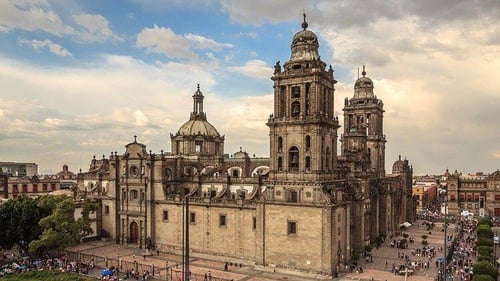
Mexico City Cathedral, a prime example of colonial architecture in Latin America. Vatican News.
Key Characteristics of Colonial Architecture
Colonial architecture is characterized by several distinctive elements that set it apart from other architectural styles. Some of these main characteristics are listed and described below:
1. Use of Local Materials
One of the most notable features of colonial architecture is the use of locally available materials, such as stone, brick, wood, and adobe, depending on the landscape. This adaptation not only reduced costs but also allowed the buildings to blend stylistically with their surroundings.
2. Symmetrical Structures
Symmetry is a key feature of many colonial buildings, reflecting the influence of Renaissance and Baroque styles. The facades are typically balanced, with windows and doors arranged in a regular and orderly manner, which also facilitates construction.
3. Spacious Patios and Open Spaces
It was common for colonial buildings to feature central courtyards and open spaces, which provided natural ventilation suited to the climate of the colonies and created social spaces. These courtyards were usually adorned with gardens and fountains.
4. High Ceilings and Large Windows
Once again, in response to the local climate, the high ceilings and large windows allowed for better air circulation and the entry of natural light—important features in hot climates. These elements not only improved well-being inside the buildings but also gave them a majestic and open aesthetic.

Quinta Anauco in Caracas, an example of courtyards in colonial architecture. Architecture and Business
Leading Figures in Colonial Architecture
Leading Architects
-
-
Juan de Herrera: A Spanish architect known for his work on El Escorial, a monumental example of Renaissance architecture that influenced colonial buildings in Latin America. His sober, geometric style is reflected in many colonial buildings.
- José de Gallegos: A prominent architect known for his work on churches and cathedrals in Mexico, combining Gothic and Baroque elements with local techniques. His works include the Mexico City Cathedral and the Church of San Francisco in Puebla.
-
Pedro de Arrieta: A Mexican architect known for his work in Mexico City during the 18th century. His works include the Iturbide Palace and the Basilica of Guadalupe, outstanding examples of colonial architecture in the country.
-
Landmark Buildings
-
-
Mexico City Cathedral: Located in Mexico City's Zócalo, this grand church is one of the most representative examples of colonial architecture in Latin America. Its construction incorporated Gothic, Renaissance, and Baroque elements, showcasing European influences adapted to a new context.
- The Church of San Francisco in Quito: This religious temple is one of the largest architectural complexes in South America and an important example of colonial architecture in Ecuador. It incorporates Renaissance and Baroque elements, complemented by the use of local materials and techniques.
-
The Convent of San Francisco in Lima: This convent is a fine example of colonial architecture in Peru. It features a Baroque façade, and its lavishly decorated interiors reflect the influence of Baroque churches in Europe, once again adapted to the conditions of its surroundings.
-
Influence on Contemporary Architecture
Colonial architecture has left an indelible mark on today's architecture, especially in regions that underwent colonization. The use of local materials and the adaptation to climatic conditions they remain cornerstones of modern architecture. Furthermore, the symmetry and functionality of courtyards have influenced the design of homes and public buildings today.
Today, contemporary architects seek to evoke the values of environmental stewardship and harmony with the surrounding context that characterize colonial architecture. This style teaches us the importance of creating buildings that are not only aesthetically striking, but also efficient and environmentally friendly.

San Francisco Church in Quito, an example of colonial religious architecture in Latin America. Wikipedia
In conclusion, colonial architecture is not only a a testament to our shared history, but also a source of inspiration for contemporary architecture. Professionals in the field should continue to pursue training and specialization in architectural styles like this one to continue innovating while honoring the lessons of the past. We invite all engineers and architects to explore the catalog of online courses and master's programs offered by Structuralia on architecture and sustainability, and to never give up the pursuit of knowledge and excellence in their field.