The ephemeral architecture It's making its way into cities and is here to stay. Discover its features, its origins, and the materials used to make it.
Ephemeral architecture: the new trend we keep seeing in cities
The ephemeral architecture It can give you clues as to its meaning, since its name is very descriptive. What is clear is that it is an architectural concept that is gaining popularity in many cities around the world and certainly does not go unnoticed.
What is ephemeral architecture?
Ephemeral architecture refers to structures that have expiration date. In other words, they are built and displayed for a period of time and then taken down; they are common in trade shows or exhibitions.
The Origins of Ephemeral Architecture
Ephemeral architecture is not a recent phenomenon; rather, it dates back to 15th century. It was a trend during the Renaissance and the Baroque periods. However, today we find numerous examples of ephemeral architecture in cities around the world.
These days, we see ephemeral designs used to showcase ideas in public spaces, surprising passersby with unique concepts that help them discover new trends or even prompt them to reflect.
Characteristics of Ephemeral Architecture
Ephemeral design has certain common characteristics. Nothing is left to chance! First of all, since it is viewed as a type of temporary architecture, it is usually low cost, which is why they are often used recycled materials. This allows us to give many resources a second life, so it's also great from a sustainability standpoint.
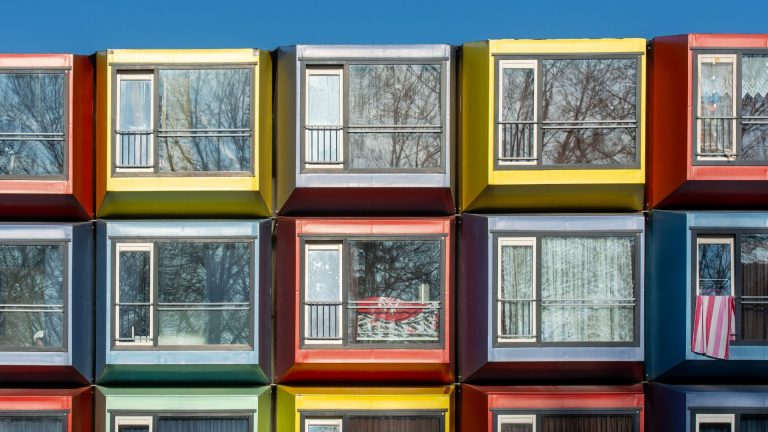
Another important characteristic is that, in ephemeral architecture, it is common for the modules to be prefabricated. Ultimately, since it is designed to be displayed for a relatively short period of time, it is essential that it be able to quickly assemble and disassemble.
It also has the ability to adapt perfectly to different environments because it is flexible and agile. The possibilities it offers are endless, and it knows how to surprise—because it often opts for innovative and original designs that no one expects—thanks to its designs and materials.

Did you know that the Eiffel Tower was supposed to be temporary?
Few people know that the Eiffel Tower was an example of ephemeral architecture. The plan was to tear it down by 20 years to build it, but in the end that didn't happen because they used it as a laboratory to conduct scientific measurements and experiments.
In fact, they say that Radio Saved the Eiffel Tower. That was when Eugène Ducretet managed to establish a radio connection between the tower and the pantheon. From then on, it was used as a radio antenna.
What are the most commonly used materials in temporary architecture?
Since this is a type of architecture that is temporary, it typically uses inexpensive, natural, or even recycled materials—giving them a second life—which makes it ideal in that regard.
Some of the most commonly used ones are glass, cardboard, and wood. These are simple, inexpensive materials that can be used to create truly wonderful designs. Then there's also the case of banners or vinyl signs, to hold exhibitions in different locations and make use of those materials.
Types of Temporary Architecture
When discussing ephemeral architecture, there are different types depending on their purpose, since not all ephemeral structures are built for the same reason. These are the main types:
1. Traditional:
The basic form of temporary architecture is the traditional type, which is used at various events. That is, in museums, corporate event settings, amusement parks, sports competitions, theater or film productions, etc. It is the most common type.
2. Portable:
In this type of ephemeral architecture, a structure is built that is moved from one place to another. Therefore, although it has a limited lifespan at each location, it can actually last much longer than other types because it is relocated. For this reason, to ensure it works, it is typically constructed using more flexible and lightweight materials. It can be useful for exhibitions in certain fields, such as medicine or commerce, among others.
3. Obsolete:
As you can imagine from its name, this is a type of architecture that meets whatever needs may arise at a given time, but disappears when it is no longer needed. However, its components can be used to build something new.
4. Emergency:
This category includes architecture created to address an urgent need, such as when a natural disaster occurs. For example, building a temporary hospital during the COVID-19 pandemic.
Temporary structures are sustainable and take into account their impact on the environment
It is important to remember that ephemeral architecture promotes the use of sustainable materials to help preserve and protect the environment, since these materials are discarded when the structure is taken down.
This type of construction is on the rise and serves a variety of purposes, so it is undoubtedly here to stay. If you want to learn more about architecture, we recommend this A Guide to Major Works in Civil Engineering and Architecture, you'll be surprised.
What do you think of the ephemeral architecture? Do you like this concept? It certainly makes it possible to present fresh ideas and bring concepts to the table that might otherwise never be implemented.