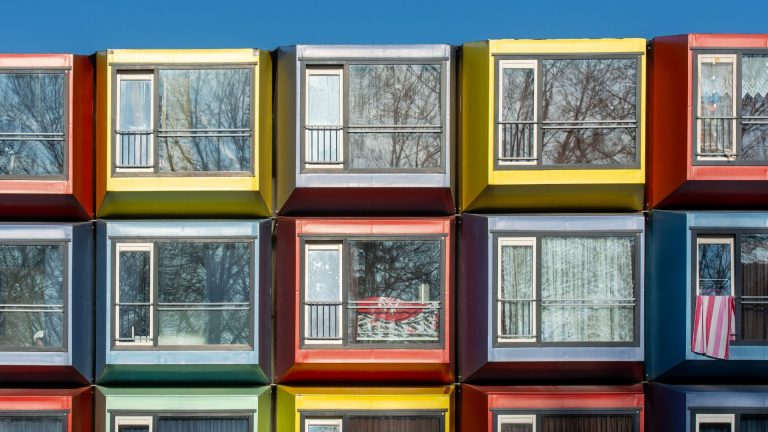
The emotional architecture It's usually very simple, but its magic lies in its power to evoke emotion through design.
Emotional Architecture: Complex Emotions with Simple Architecture
Architecture and design go beyond the simple construction of physical spaces; they are powerful tools that shape our everyday experience and have a profound impact on our emotions and well-being. In an increasingly complex and fast-paced world, the importance of understanding and applying concepts such as emotional architecture It becomes essential for creating environments that promote health, happiness, and human connection.
Emotional Architecture invites us to reflect on how the spaces we inhabit influence our mood, our relationships, and our quality of life. From the layout of the rooms to the choice of materials and colors, every element of architectural design can to elicit a variety of emotional responses on users. By understanding and harnessing this interaction between the built environment and our emotions, architects can create spaces that are not only aesthetically pleasing but also inspiring and revitalizing, thereby improving the well-being of those who inhabit them.
What is Emotional Architecture?
Emotional architecture, as a concept, focuses on the designing spaces that evoke specific emotional responses on its users goes beyond the mere utilitarian function of a building; it involves creating environments that evoke sensations, provoke experiences, and foster deep emotional connections. As the renowned Spanish architect pointed out Rafael Moneo, architecture seeks to «touch people’s hearts and souls through materiality and form.» In this approach, architectural design becomes a tool for affect mood, well-being, and perception of those who interact with the built environment. It is a process that goes beyond the purely aesthetic, delving into the human experience and the emotional connection to the physical environment.
 A cenotaph designed by Alberto Campobaesa, exemplifying the simplicity with which complex emotions can be evoked through architecture. Campobaeza
Characteristics That Define Emotional Architecture
Emotional architecture is characterized by several features designed to create meaningful sensory and emotional experiences for users:
1. Contextual sensitivity
Emotional architecture takes into account the physical, cultural, and social environment in which a building is situated. It respects and responds to the characteristics of the site in order to blend harmoniously into its surroundings and create an emotional connection with them.
2. Use of evocative forms and materials
Emotional designs use shapes, textures, and materials that have the power to evoke certain emotions in users. From soft curves that convey warmth to natural materials that create a sense of tranquility and connection with nature, each element is carefully chosen to influence the user’s mood and experience.
3. Consideration of Workflow and User Experience
Emotional architecture focuses on the flow of movement within a space and the experience users have when interacting with it. From the layout of spaces to lighting and acoustics, these elements are designed with consideration for how they will affect the emotional experience and well-being of those who move through them.
4. Creating Custom Environments
Emotional spaces are designed to adapt to users’ needs and desires, creating environments that invite reflection, interaction, and contemplation. The goal is to create personalized experiences that resonate with the emotions and individual values of each person who inhabits them.
5. Fostering Human Connection
Emotional architecture fosters human connection by creating spaces that facilitate social interaction, dialogue, and encounters between people. Whether through the incorporation of common areas, gathering spaces, or green spaces, the goal is to strengthen community bonds and promote a sense of belonging and collective well-being.
These characteristics come together to create environments that inspire, comfort, and enrich the human experience.
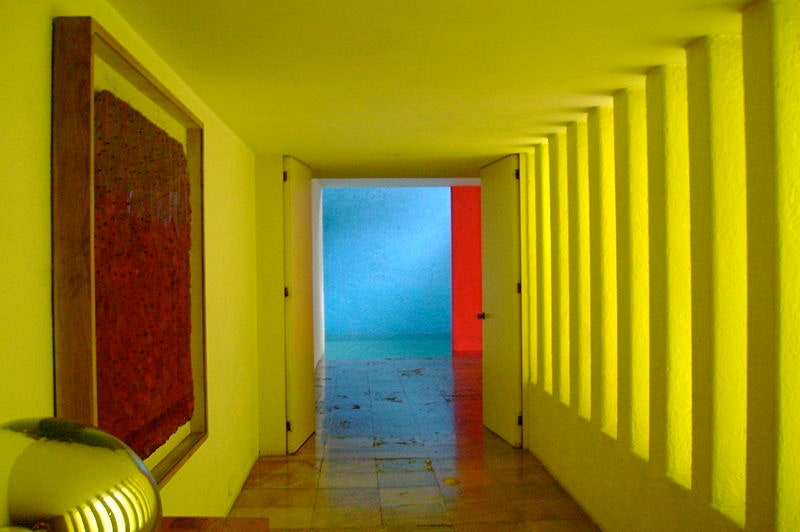
Interior photograph of Casa Liraldi, designed by Luis Barragán, an exemplary architect of "emotional architecture.". AD
The Relationship Between Functionality and Emotion
It is crucial that architects not lose sight of the relationship between emotional architecture and the functionality of spaces. While it is important to create environments that evoke emotions and connect emotionally with users, this It should not be done at the expense of functionality and practicality. Emotional architecture and functionality must work in harmony, complementing each other to create spaces that are not only aesthetically appealing, but that are also efficient and adaptable to needs of those who use them. Therefore, architects must find a balance between emotional expression and practical utility, ensuring that the design meets both the emotional and functional needs of users.
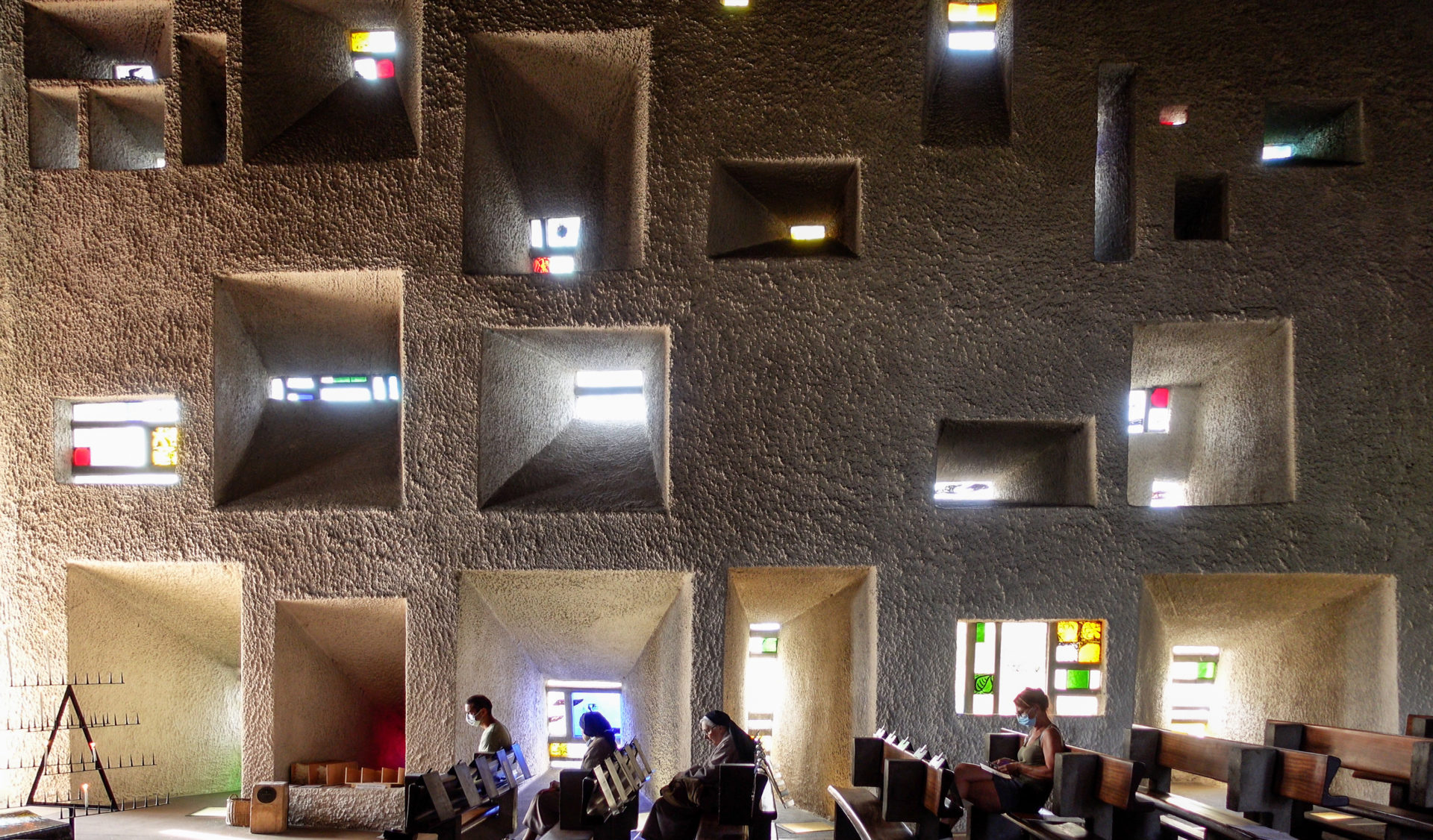
Interior of the Ronchamp Church, designed by Le Corbusier, which reinterprets the stained-glass windows of Gothic churches to create emotional architecture. WikiArchitecture
In conclusion, it is essential for architects to have a wide range of concepts, including the emotional architecture It stands out for its ability to transform spaces into emotionally enriching environments. Integrating this knowledge into the design process not only improves users' quality of life, but it also raises the standard of professional excellence in the field of architecture. For this reason, we invite all professionals in the sector to stay up to date and continue their professional development.
Structuralia offers an extensive catalog of Architecture Courses and Master's Programs that provide the tools necessary to achieve excellence in professional practice, inviting continue to explore and apply new concepts that enrich our projects and contribute to the well-being of society as a whole.