Natural and artificial light are essential in architecture for aesthetic, functional, and efficiency reasons. Find out how to do it.
Architecture and Light: How to Plan for a Well-Lit Space?
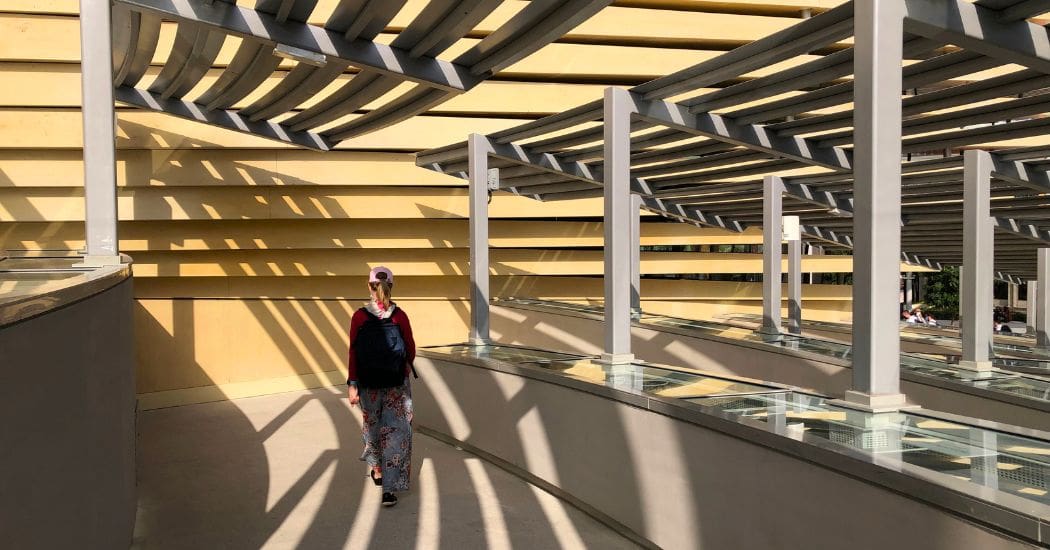
The natural light It is the crown jewel of architecture. More and more architects are looking for ways to create brighter spaces where natural light reigns, in order to highlight certain details and completely transform a space. To achieve this, planning is key.
Light in Architecture: More Important Than Ever in 2024
Light in architecture is so important that it becomes necessary to have a good planning, to make the most of both natural and artificial light, so that the project turns out as well as possible.
Light has the power to create different effects wherever it is used, highlighting strategic points to create spaces that otherwise could not be created. That is why it is so important to have good lighting project and make smart use of natural and artificial light.
To do this, the first thing you need to know is that light has several different uses, as we'll see below.
The 3 Main Ways to Use Light to Make a Project Stand Out
Today, light has three main uses:
-
Aesthetic.
-
Functional.
-
Efficient.
1. Aesthetic Use of Light
Aesthetic appeal is the primary goal in interior design projects. It involves playing with light to create strategic focal points and sensations in people.
It involves using light to make a space look more attractive. For example, to make it look whiter, larger, cleaner, etc.
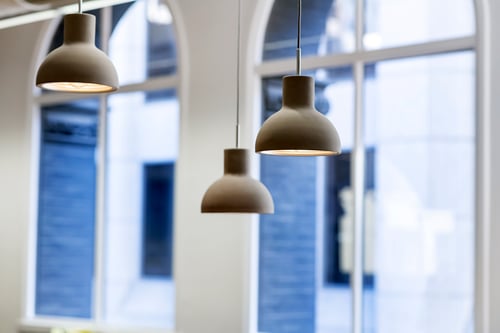
One of the most common examples today is placing an LED wall sconce above a painting to draw attention away from it and focus everyone’s gaze on the artwork. Another example is using a large lamp over the dining table, which is very aesthetically pleasing and looks great in interior design projects.
There is also the use of the indirect light on drywall ceilings. One of the most popular lighting trends right now.
2. Functional Use of Light
Light has always been necessary for us to see. That's where the functional use of light comes into play, allowing us to see with complete clarity.
It's important that all spaces be well-lit so you can see clearly. For example, If a staircase isn't well lit, you could fall..
It's not just a whim. It's absolutely essential, even for safety. This also applies to accessibility for people who may have low vision or similar conditions. It's always better to have plenty of light, because we need it to move around without bumping into any obstacles that may be in our way.
3. Efficient Use of Light
Third and finally, we'll discuss the efficient use of light. This is another fundamental aspect of any architectural lighting project, since it relates to the energy used for lighting.
Our goal here is to make the most of our energy so we don't use more than necessary. In other words:
Promote the use of natural light over artificial light.
Look for more efficient alternatives to natural light, such as LED technology. Also, always have an ICP power control switch at home.
The pursuit of a more energy-efficient project leads us to consider more sustainable alternatives, such as LED lighting. It is undoubtedly the most popular choice today in architecture and interior design.
It would be unthinkable to use halogen or fluorescent lights today, given their high cost and energy consumption. It would be a climate sin.
How to Plan Lighting for Your Project, Step by Step?
In any project, there are several things that need to be done:
If there is enough natural light, everything is easier. However, when natural light is scarce, turning to artificial light and using it very wisely becomes absolutely essential in order to create safe, well-lit, and efficient spaces.
But architecture allows us to go even further, because we can play with light to try to highlight certain features of the house or even highlight shapes or model objects.
What factors should be taken into account?
After all, You don't use the same lighting to illuminate a workspace as you do a bedroom. You might choose a warmer light for a bedroom, while for a kitchen or office you might choose a cooler light, because it looks better and makes it easier to concentrate.
That is precisely why the lighting design must be carefully planned; it is essential for doing a good job and achieving a a functional and attractive space.
To achieve this, it helps to work closely with each client, because by listening to their needs, you can put them on paper and make them a reality.
And you—did you know that lighting was so important in every project?