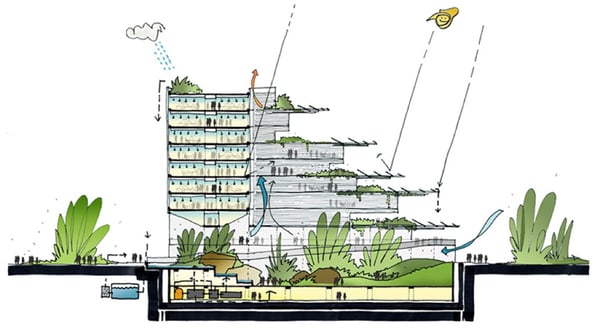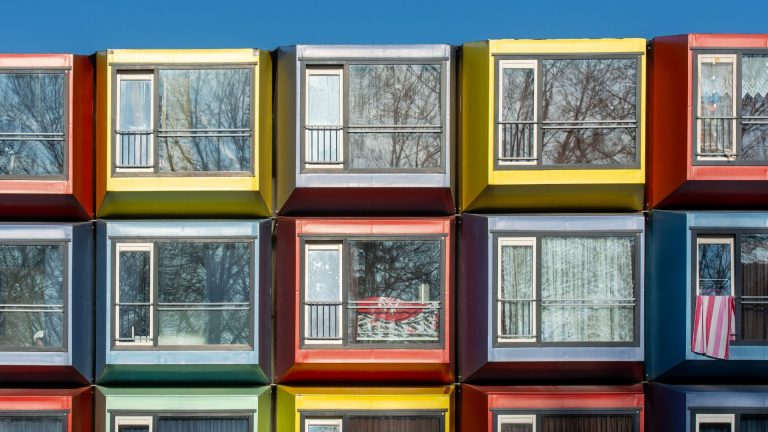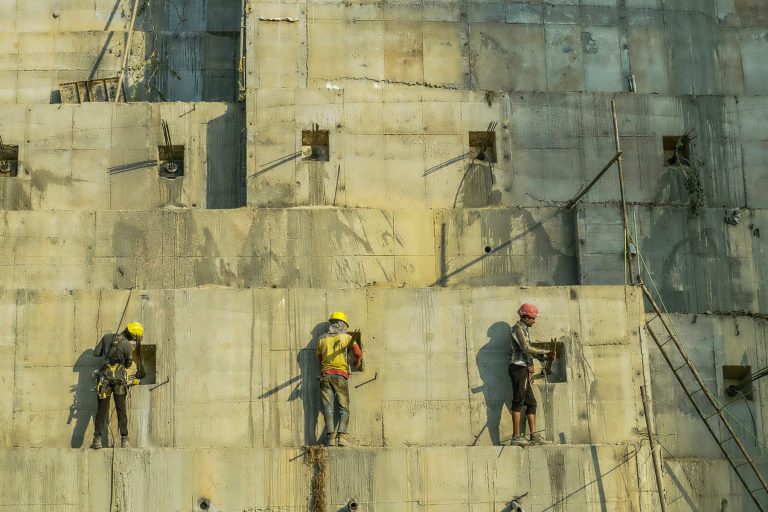
Around the 5% of CO2 emissions come from the cement industry, a greenhouse gas. The Green buildings are an alternative to traditional construction for reducing the environmental impact of this industry. In the following article, we will explain the different types of green buildings that exist and provide an analysis of an example of a green building, the «SIEEB building.».
Types of Green Buildings
These types of buildings, also known as green buildings, are constructed using materials with a low environmental impact such as wood, cyclopean concrete, clay, or lime, avoiding the use of toxic materials in the building.
Passive buildings are structures capable of regulate heating and cooling with low energy consumption. One advantage of this type of construction is the air quality, which is superior to that of a traditional building, and the airtightness, which makes the buildings much warmer.
The SIEEB Building, an example of a green building
Construction of the SIEEB was completed in 2006, and it houses the Research Center for Environmental Protection and Energy Conservation, which conducts research on environmental compatibility and construction, among other topics.
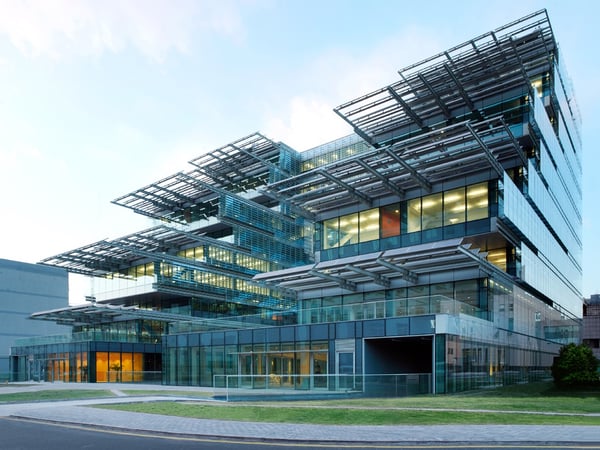
The building has a an area of 20,000 square meters, in a a height of nearly 40 meters y reduces carbon dioxide emissions into the atmosphere, since one of the key considerations in the project was reducing harmful gas emissions.
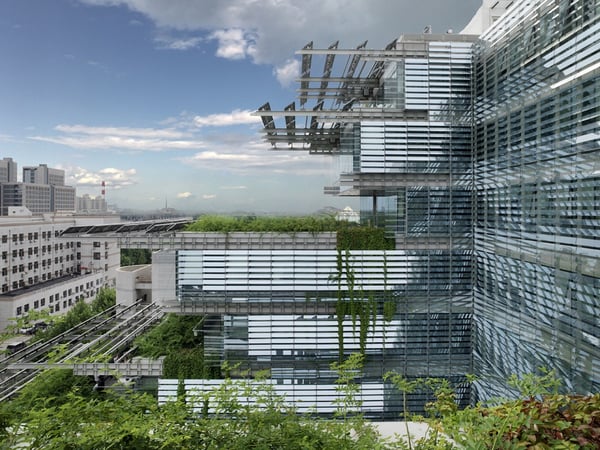
The shape of this sustainable building is specifically designed for its location and the local climate conditions in Beijing. The materials most commonly used in its construction were glass, aluminum, and reinforced concrete.
The entire facade of the SIEEB building helps regulate the interior temperature; it is protected on the north side, where cold winds blow, and on the south side by a series of overhangs that provide shade. It also features a system that allows for the reuse of rainwater.
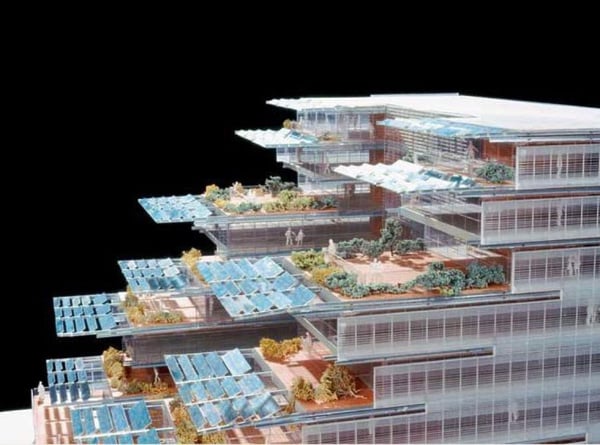
This building, which meets the most advanced environmental standards, is the result of a joint effort by Italy's Ministry of the Environment and Territory and China's Ministry of Science and Technology.
In short, the construction industry can reduce its climate impact by incorporating more natural materials and designing eco-friendly buildings. To achieve this, specialized continuing education—such as master’s degrees in Department of Industry, Energy, and the Environment.