In early 1982, the ground in the city of Pozzuoli, a town in the northern part of the province of Naples, Italy, began to rise at an alarming rate, reaching a height of about 1.8 meters in just two years. This phenomenon, which had never been observed anywhere in the world, forced the evacuation of the city. Recently, the cause of this event has been determined.

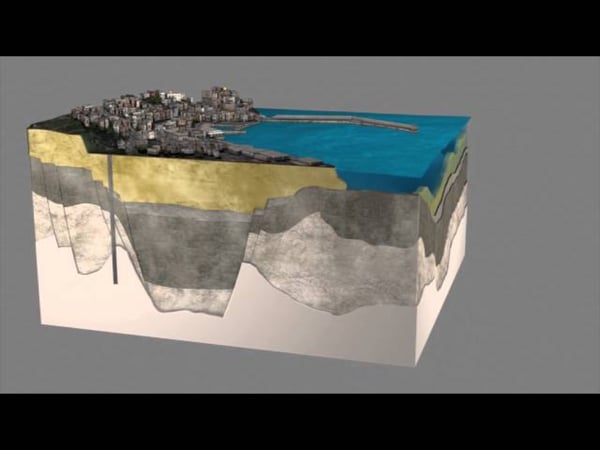
Pozzuoli is located in the center of a highly active volcanic complex linked to Mount Vesuvius; beneath the city lies a magma chamber that causes minor tremors and causes the ground level to rise and fall. However, it was not known why these variations occurred so alarmingly.
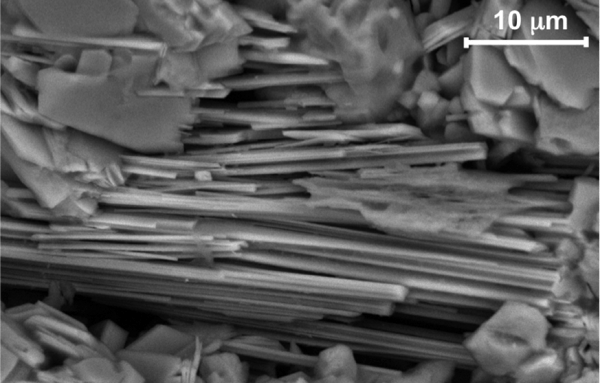
The answer has come from Stanford University: A recent study has determined that the magma chamber is covered by a thick layer of rock whose chemical composition includes graphite and actinolite, which, under high pressures and temperatures, release calcium hydroxide that forms a natural cement when it reacts with the porcelain found in the upper layers. This type of cement is responsible for the uplift of the ground, but it also acts as a barrier, limiting seismic activity in the area.
From time to time, this phenomenon recurs, forcing families to evacuate; later, when the ground subsides again, the evacuees can return to their homes. In fact, calculations by researchers studying the phenomenon conclude that the ground in the area of this volcanic complex may have moved up and down considerably over the past 20 centuries, by approximately 17 meters.
In a way, nature acts here as a trompe-l'œil architectural: what is visible on the surface can be misleading, since geological processes invisible to the naked eye are taking place underground, radically altering the reality of the city.