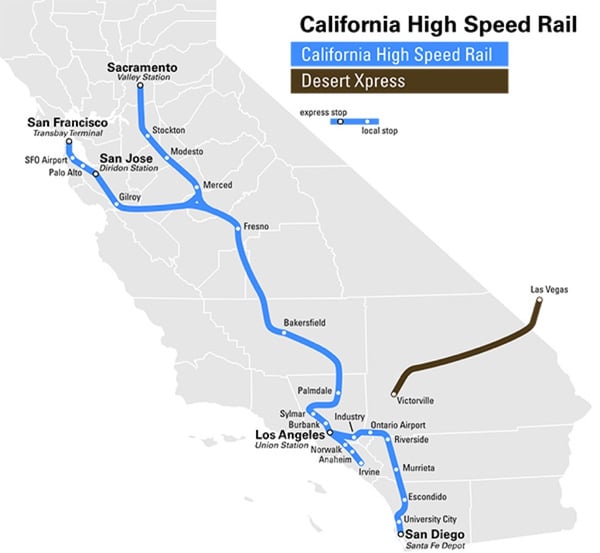
The project to build California's high-speed rail system is getting closer and closer to becoming a reality. The network will span 1,300 kilometers, and the estimated travel time between Los Angeles and San Francisco will be 3 hours, traveling at a speed of 320 kilometers per hour.
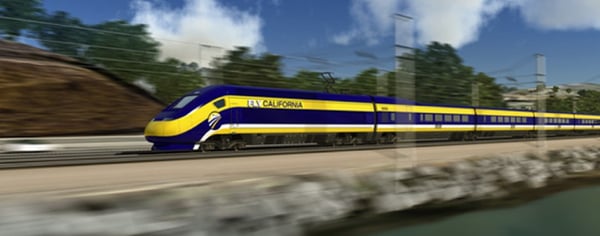
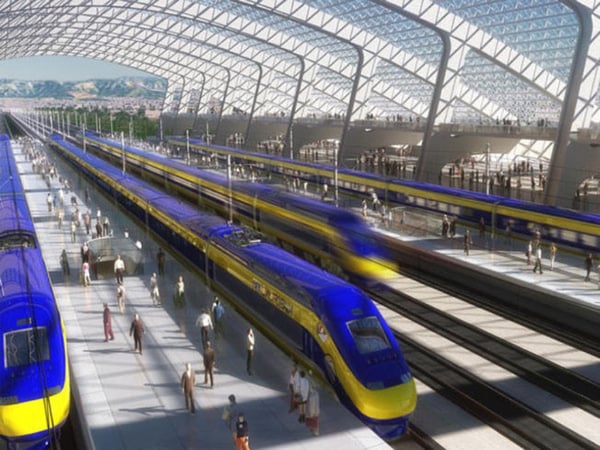
The project is expected to create 20,000 jobs per year during the first five years and to be completed by 2029. In addition to creating jobs, the project will boost the economy of the entire region and improve transportation links between the major cities along the west coast, reducing traffic congestion and, as a result, energy consumption and carbon emissions.
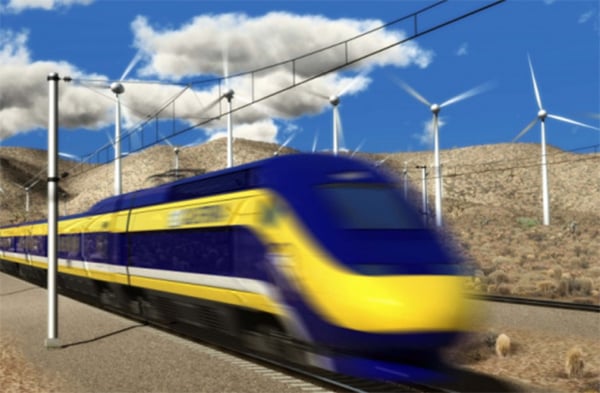
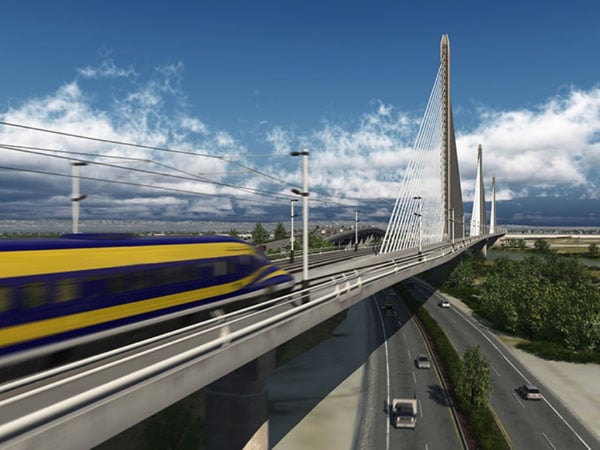
In the first phase, a 47-kilometer section will be built between the cities of Madera and Fresno, in the center of the bay. Construction on the bridge over the Fresno River will begin in April.
The total cost of the project remains one of the most controversial issues, along with the difficulties in acquiring the land, as it is estimated to require an investment of 57 billion euros. Approximately 40% would be financed by the state, and the remaining funds are expected to come from private sources once the first phase is completed. According to a World Bank report, the cost per kilometer of the California high-speed rail project, estimated at 45 million euros, far exceeds the typical average costs per kilometer of high-speed rail infrastructure in Europe, which range from 20 to 30 million; and those in China, which range from 15 to 18 million euros.