An icon—that’s what this wonderful bridge means to every Scot, but what makes it a world-renowned structure? We’ll tell you below… Don’t miss it!
Located at the mouth of the River Forth, where its waters meet those of the North Sea, we find, just a few meters from the city of Edinburgh, one of the Scotland's most recognizable landmarks (United Kingdom) and the world's first major bridge built of steel.
This is the «Firth of Forth» or «Forth Bridge» railway bridge, so named because it was the first to be built over this estuary. Its construction dates back to late 19th century and the project was entrusted to John Fowler and Benjamin Baker, whom we'll discuss later. For now, let's focus on some of its features.
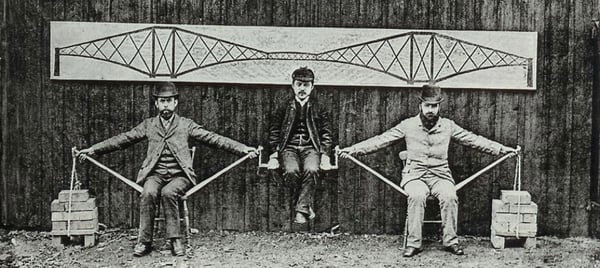
Save one total length of more than 2,500 meters, divided into 24 bays, of which the two central ones are particularly noteworthy, as they extend beyond 520 meters each more than 45 meters above the water's surface.

As can be seen in the image above, its piers form perfect corbels that introduce one of the most revolutionary concepts of the era in the construction of large bridges: the cantilever conceived by B. Baker and later imitated around the world.
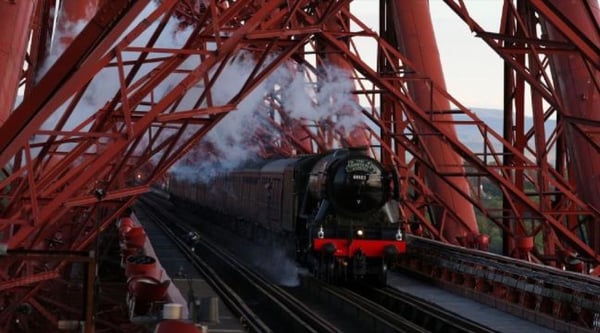
Since its opening on March 4, 1890, it has allowed the passage of 200 trains a day, thus becoming a vital hub for the country's transportation network and recognized since 2015 as UNESCO World Heritage Site.