The 3D Printing in Construction and advanced robotics have moved beyond laboratory demonstrations to become operational technologies in real-world projects. The construction industry, which has historically been resistant to automation, is adopting these tools not because of a technological trend but out of necessity: labor shortages, cost pressures, and increasing demands for faster completion times and higher quality that the traditional model cannot address.
What Is 3D Printing in Construction and How Does It Work?
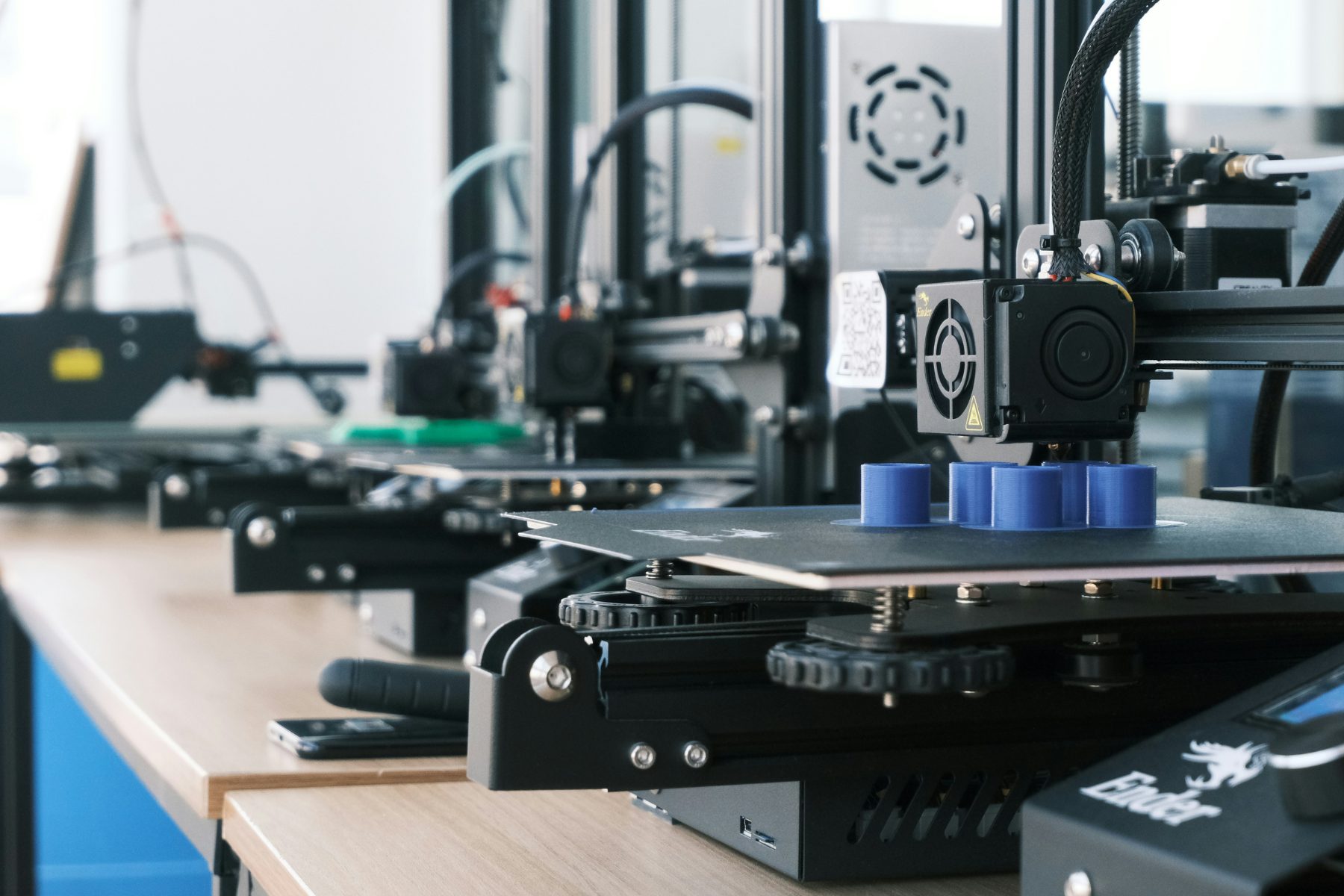
The 3D printing of buildings It uses robotic arms or gantries that extrude concrete, mortar, or composite materials layer by layer according to a digital model. The 3D concrete printer makes it possible to build complex structures without conventional formwork, reducing material waste and the construction time for non-standard elements.
Current applications range from the factory production of prefabricated components to the on-site 3D printing of walls, structures, and architectural elements. It does not replace conventional construction in all cases, but in situations where it is a good fit, its advantages are hard to match with other methods.
Advanced Robotics in Construction: Beyond 3D Printing
Robots for Masonry and Bricklaying
The masonry robots They can lay thousands of bricks per hour with a level of precision that no worker can maintain over the long term. Their use on large-scale masonry projects reduces construction time and reliance on skilled masons, a profession facing a growing shortage in Spain and Europe.
Exoskeletons for Construction Workers
The exoskeletons under construction They reduce the physical strain on workers during lifting tasks, welding in awkward positions, and work at heights. They don't automate the task: they empower the worker, reducing fatigue, the risk of musculoskeletal injuries, and employee turnover in physically demanding jobs.
Drones for Inspection and Surveying
The drones on construction sites They have evolved from being a tool for aerial photography to an instrument for topographic surveying, structural inspection, monitoring construction progress, and detecting defects. Their integration with BIM models makes it possible to compare the actual status of the construction project with the digital model in near real time.
Autonomous Vehicles and Machinery on Construction Sites
Autonomous and semi-autonomous machinery—from remote-controlled mini-excavators to autonomous compactors—is making its way into earthmoving and site development projects. The Autonomy reduces risks in hazardous environments and allows for continuous operation without operator fatigue.
Real-World Use Cases: What Is Already Being Built With These Technologies
The Success Stories of 3D Printing in Construction These include homes printed in less than 24 hours in the United States and Europe, pedestrian bridges made of printed concrete in the Netherlands, and prefabricated elements with complex geometries for facades in unique projects. In robotics, masonry robots are already being used on new residential construction projects in Australia and Germany, and inspection drones are standard on projects such as infrastructure on a large scale throughout Europe.
Benefits for Businesses: Timelines, Costs, Security, and Sustainability
The benefits of 3D printing in construction and robotics are concentrated in four areas. In deadlines, automating repetitive tasks reduces execution times by up to 50% in the phases where it is applied. In costs, reduced waste and less reliance on unskilled labor offset the investment in technology. In safety, robots take on the most dangerous or physically demanding tasks. In sustainability, 3D printing reduces material waste by up to 60% compared to conventional methods.
Implementation Challenges: Investment, Regulations, and Acceptance
Regulations Governing 3D Printing in Construction in Spain It is still under development. The Technical Building Code does not explicitly address additive manufacturing, which creates uncertainty regarding project permitting. The initial investment in equipment is significant, and there is a real learning curve for technical staff. Cultural acceptance in an industry accustomed to traditional methods is the most difficult hurdle to overcome, even more so than technical or economic factors.
New Roles and Skills Required for Robotic Construction
3D Printing Operators and Programmers
The 3D printing systems operator in the construction industry combines knowledge of construction materials with path programming and extrusion equipment management. It's a role that doesn't exist in the established job market: it's being created from scratch in pioneering companies through specialized training.
Engineers specializing in robotics applied to construction
The 3D printing applications The construction industry is creating a demand for engineers capable of integrating robotic systems into construction processes: planning the execution sequence, coordinating with the BIM model, and managing the control systems for autonomous equipment.
Hybrid Profiles in Digital Design and Manufacturing
Designers who understand the possibilities and limitations of digital manufacturing and construction technicians who know how to read and manage digital models are the most in-demand professionals at companies that are adopting these technologies. The line between design and construction becomes blurred when the digital model serves directly as the manufacturing instruction.
How to Train Technical Teams for the Construction of the Future
The Digital Construction Training Program for Businesses A successful approach doesn't start with technology but with the process: identifying which company tasks would benefit most from automation and what skills the current team needs to work with those tools. Structuralia incorporates robotic construction and digital manufacturing into its building and industrialization programs, with instructors from companies that already use these systems in real-world projects.
Trends in Automation and Digital Manufacturing in Construction
The Trends in Robotic Construction for 2026 They focus on the convergence of 3D printing, robotics, and BIM in integrated workflows where the digital model directly controls the construction process. Materials for 3D printing are evolving toward ultra-high-performance concretes, geopolymer materials, and fiber composites. Automating inspection and quality control using machine vision will be the next step after the automation of execution. Companies that are currently training their teams in these technologies will have a head start when the market adopts them on a large scale.