The UN is presenting a new initiative aimed at changing the world we live in: a proposal with 17 sustainable development goals designed to ensure that we all live in a better world, free from inequality, where no one has to go without many basic necessities that should never be denied to any human being. This is undoubtedly a project to which engineers, architects, and infrastructure professionals have much to contribute.
Currently, about 836 million people live in extreme poverty, most of which are located in South Asia and Sub-Saharan Africa. The United Nations continues to work toward a more just world; among its primary goals are ending poverty, eradicating world hunger, and helping ensure that all human beings have access to healthcare, in an effort to guarantee a more dignified life for everyone.
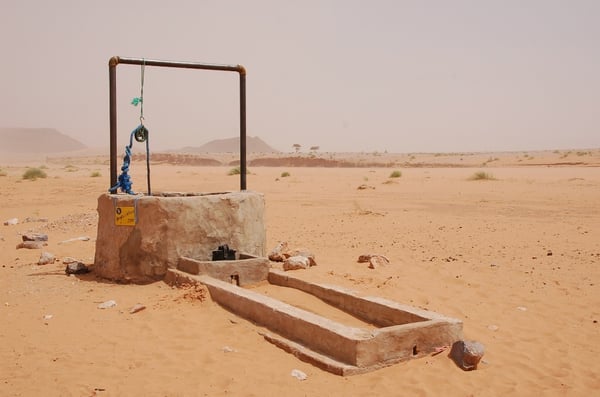
But the shortcomings of some human beings do not end there; We need to tackle more problems. For this reason, the UN also believes that investment in the development of new infrastructure is necessary, since many countries lack a network of basic infrastructure (water, sanitation, energy, etc.). These investments would provide a major social and economic boost to certain disadvantaged areas.
For the same reason, this organization is also committed to protecting our world fighting climate change, since we all suffer or will suffer its consequences, in addition to the negative impact this has on the economies of these countries. Protecting the oceans and combating deforestation They are also essential to ensuring a sustainable future, since they provide much of our food and the air we breathe.
Thus, the United Nations has identified a total of 17 Sustainable Development Goals aimed at creating a better world by 2030:
Goal 1. End poverty in all its forms everywhere
Goal 2. End hunger, achieve food security and improved nutrition, and promote sustainable agriculture
Goal 3. Ensure healthy lives and promote well-being for all at all ages
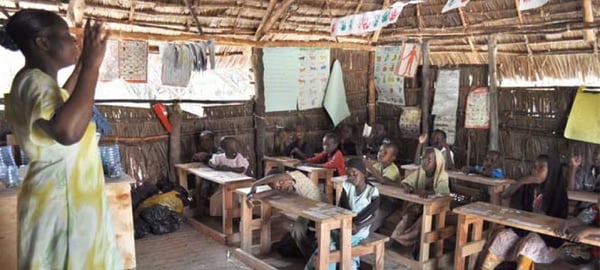
Goal 4. Ensure inclusive, equitable, and quality education and promote lifelong learning opportunities for all
Goal 5. Achieve gender equality and empower all women and girls
Goal 6. Ensure access to water, its sustainable management, and sanitation for all
Goal 7. Ensure access to affordable, reliable, sustainable, and modern energy for all
Goal 8. Promote sustained, inclusive, and sustainable economic growth, full and productive employment, and decent work for all
Goal 9. Build resilient infrastructure, promote inclusive and sustainable industrialization, and foster innovation
Goal 10. Reduce inequality within and among countries
Goal 11. Make cities and human settlements inclusive, safe, resilient, and sustainable
Goal 12. Ensure sustainable consumption and production patterns
Goal 13. Take urgent action to combat climate change and its impacts
Goal 14. Conserve and sustainably use the oceans, seas, and marine resources for sustainable development
Goal 15. Protect, restore, and promote the sustainable use of terrestrial ecosystems; sustainably manage forests; combat desertification; halt and reverse land degradation; and halt biodiversity loss
Goal 16. Promote peaceful and inclusive societies for sustainable development, ensure access to justice for all, and build effective, accountable, and inclusive institutions at all levels
Goal 17. Strengthen the means of implementation and revitalize the Global Partnership for Sustainable Development
Engineers, architects, and other professionals in the construction, infrastructure, and energy sectors also have the opportunity to help change this situation: both through its participation in charitable projects that help revitalize the most disadvantaged areas of the world, and by implementing sustainable practices in its day-to-day operations when developing projects and construction work that contribute to energy conservation, environmental protection, and people’s well-being.
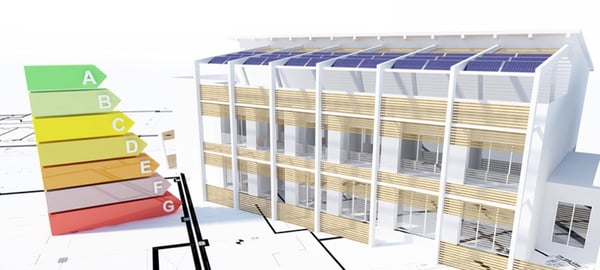
For our part, we strive to incorporate into our specialization programs courses that can contribute to sustainable development: renewable energy generation, reducing energy consumption in buildings, promoting guidelines for a more just world (Equator Principles), environmental management of construction projects, effective urban water management…
So, are you in on changing the world?