In the natural gas supply chain, there are subsurface formations that can be used to store gas injected from the surface.
These storage facilities are underground spaces where natural gas injected from the surface can be stored. This gas can be stored either in rock with sufficient porosity or in a structure built specifically for this purpose.
Based on their geological characteristics, these underground storage facilities can be classified into four types:
Ancient archaeological sites
They consist of a porous reservoir rock, where the natural gas will be stored, and a cap rock, which will prevent potential gas leaks.
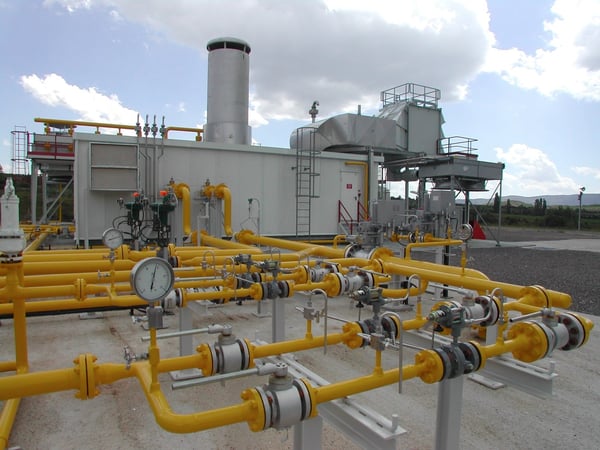
These structures contain a wealth of information gathered during the exploitation of the deposits, which means that exploration and design timelines are typically shorter, resulting in much faster development than with other types of structures.
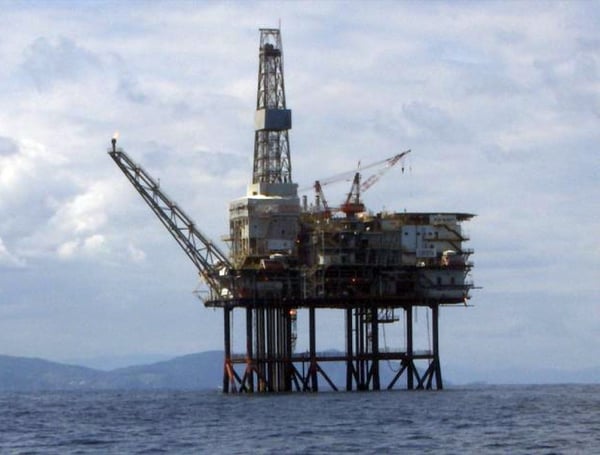
Aquifers
These structures are very similar to depleted reservoirs (porosity, a cap rock that prevents potential gas migration, etc.). The difference between these and depleted reservoirs is that aquifers take much longer to develop, since geophysical surveys will be required and core samples will need to be extracted to gather information.
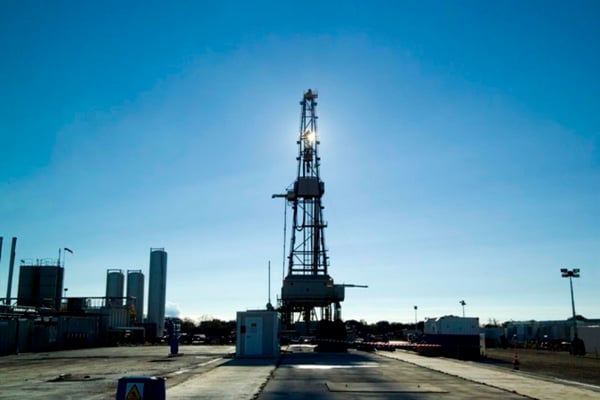
Salt Caves
Salt caverns are ideal locations for gas storage because the permeability and porosity of salt with respect to natural gas are very close to zero, thereby preventing potential leaks.
To build it, water will need to be injected into the salt structure, and the brine resulting from the dissolution of the salt will be removed through pipes. This brine can then be discharged into the sea, if environmental and economic conditions permit, or it can be injected into the subsoil.
Once this salt cavern has been developed, it is very important to seal its top.
Abandoned Mines
This type of storage is not very common, although it could be developed in depleted coal or salt mines. The main drawback of these mines is the high cost of sealing the tunnels and shafts.
If you'd like to learn more about this topic, you can check out our Advanced Course in Natural Gas Engineering and Business (Spain, Latin America, Mexico)