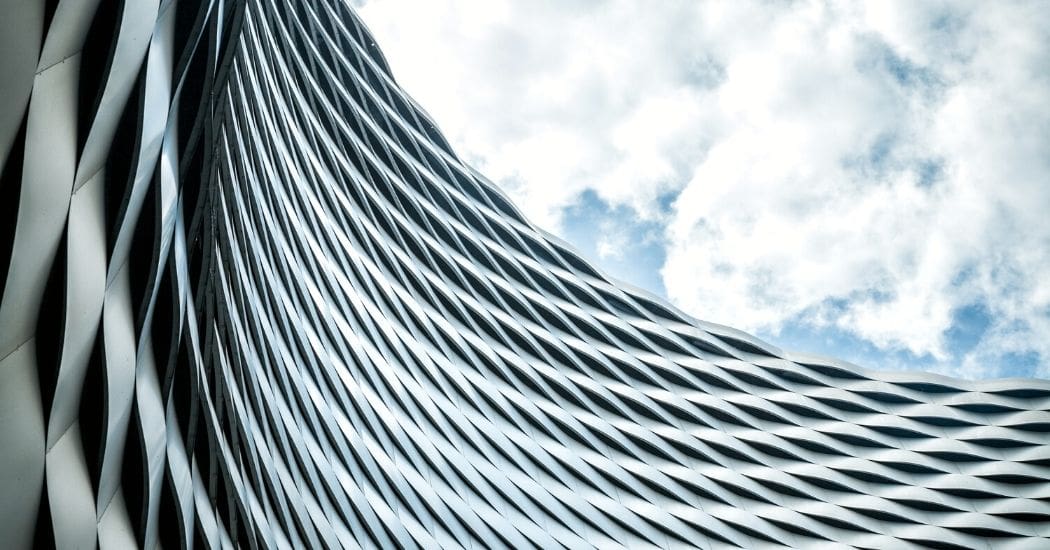
Now, the Late Modern Architecture It is known, in part thanks to the publication *Late Modern Architecture and Other Essays* by Charles Jencks, as the spectrum that encompasses architecture that followed Modernism, but which does not reject its principles (as Postmodernism does) but rather offers a more humanized and contemporary perspective on them.
Leading Figures in Late Modern Architecture
1. Norman Foster
The renowned British architect and 1999 Pritzker Prize winner is known for his philanthropy and by the the use of technology in their buildings. All of his projects display a formal clarity that reflects the importance of the structure and technology required to design each of his buildings. One of his most significant buildings, and one that best demonstrates his affinity for late modernism, is the Hong Kong and Shanghai Bank Headquarters, located in Hong Kong, China (1979).
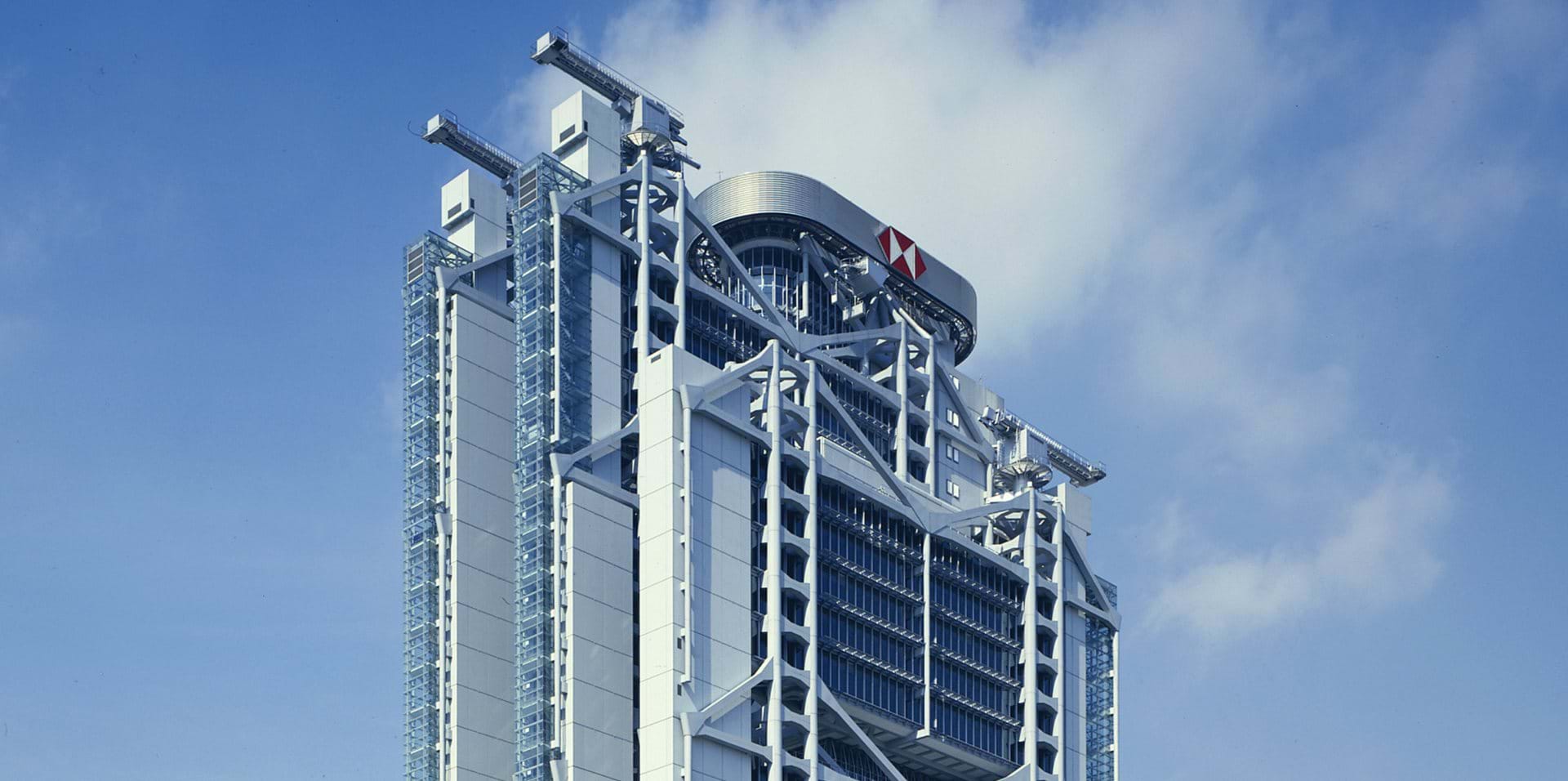 Photo: Hong Kong and Shanghai Bank headquarters, located in Hong Kong, China (1979). Foster + Partners
2. Renzo Piano
This architect Italian Its uniqueness lies in the attention it pays to each constructional, technical, and technological details which he applies to the design of each project, and which ultimately becomes an essential part of the building's own aesthetic. Similarly, he knows exactly how to integrate the natural light and fresh air as intangible elements of his architecture, and he does so with exceptional mastery. At the age of 35, Renzo Piano designed the project for the Pompidou Center in Paris, along with Richard Rogers, becoming a a leading figure in late-modern architecture, and history.
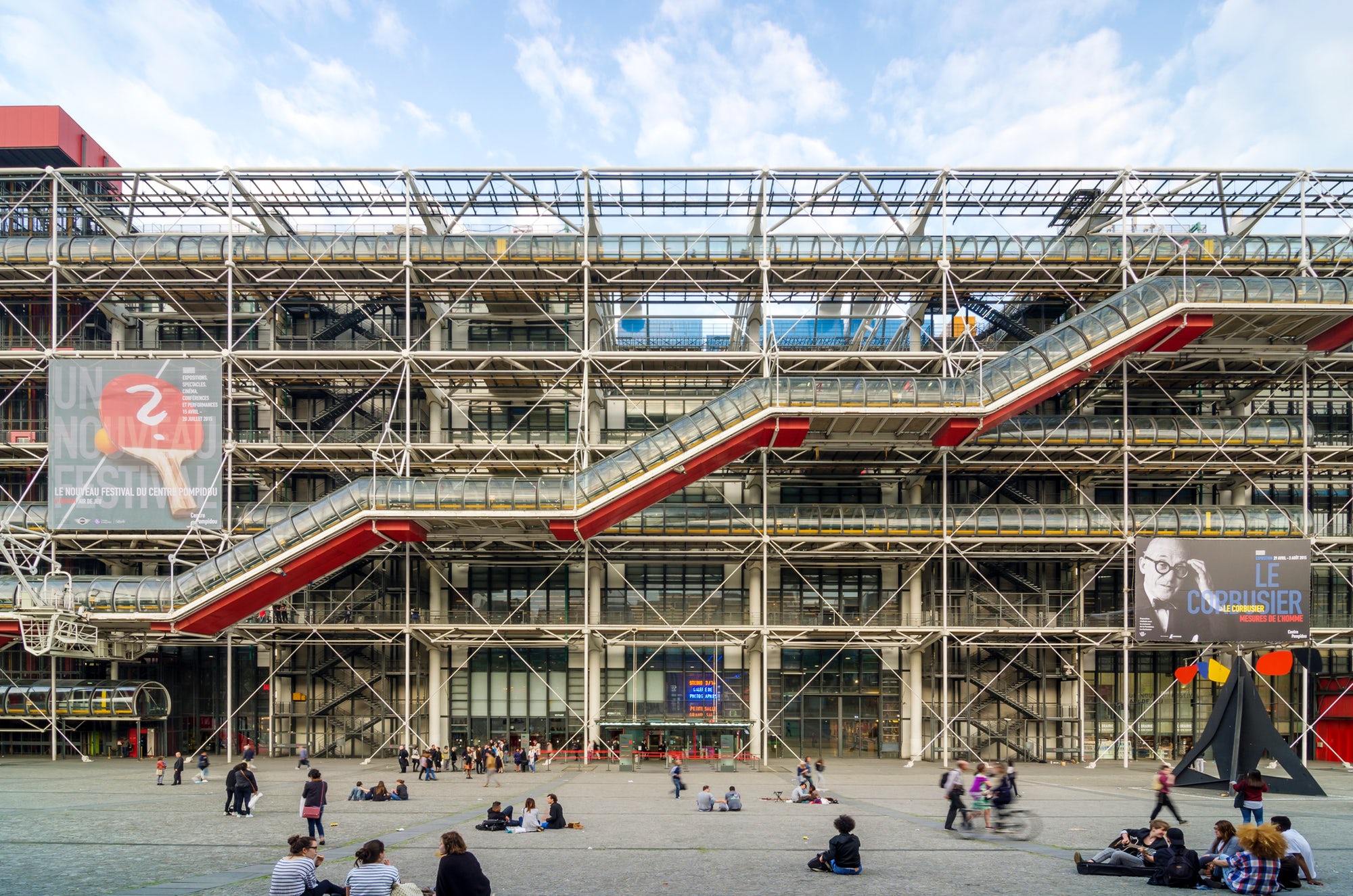 Photo of the Pompidou Center in Paris, France. Itinerary
3. Santiago Calatrava
When talking about Calatrava, You can use the adjectives from architect, engineer, and artist to the same extent. The Spanish architect is renowned for the virtuosity of his structures, which have become his signature aesthetic and unique works of art, much like sculptures. The project that best exemplifies his style is The City of Sciences, in his hometown: Valencia. This project is brimming with a “aesthetics"neo-futurist” which it achieves through its simple materiality and its formally daring aesthetic.
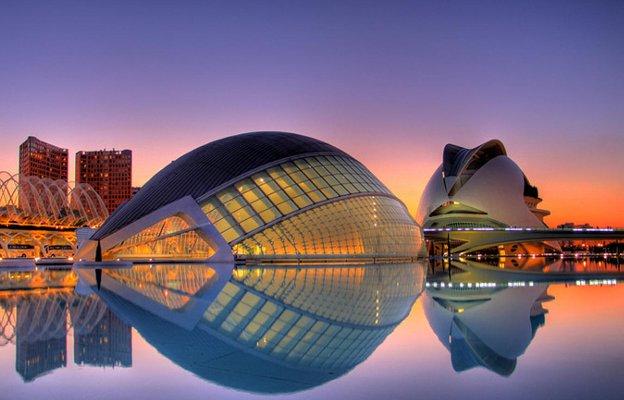 Photo of the City of Science, Valencia. Spain.info
Despite being a movement which had its heyday between the 1950s and the 1970s, Each of these architects continues to maintain a relevance and significance that keeps them engaged in constant formal and critical exploration. Without a doubt, they have been and continue to be undisputed leaders in the history of architecture.