This time we'll talk about how the electrical automation It changed the industry, and what types are used today?
Automatism electric, its types, and its influence on the industry
Electric automation systems, as the name implies, are automatic systems that They enable the control and regulation of industrial machinery and processes through electronics, mechanics, and programming. These systems have become a a fundamental part of modern industry and its widespread use is partly responsible for the manufacturing sector being as efficient and productive as it is today.
Electric Automation Systems They are used in a wide variety of industries, from food and beverage manufacturing to the production of automobiles and electronic components. Thanks to their precision and speed, these systems make it possible to perform tasks that would be impossible or very difficult to carry out manually—and that we could hardly even dream of monitor processes the way it's done today.
The Evolution of Automation
Electric automation systems have evolved significantly since their earliest developments during the Industrial Revolution and the emergence of the first relays (making up by Joseph Henry (in 1835). In their early forms, these systems used such electromechanical relays and electrical contacts to control the operation of production machinery.
With the arrival of the integrated circuits and digital electronics In the 1960s, electrical automation systems evolved into more complex and precise systems that could be programmed and controlled via software from a computer.
In recent decades, advances in information technology, such as the The Internet of Things (IoT), artificial intelligence (AI), and the machine learning, have enabled greater integration and automation of industrial processes. Modern automation systems They are capable of collecting and analyzing large amounts of data in real time, which makes it possible to improve efficiency, reduce production costs, and optimize product quality—and even monitor the environmental impact of the processes.
Today, electric automation systems are part of the Industry 4.0, a new era of industrial production characterized by digitization, connectivity, and advanced automation.

Example of an electrical panel with various industrial-grade automatic control devices. immense
Types of Automation Systems electric
- Electric Automation Systems with Relays: These are systems that use electromechanical relays to control the operation of machinery.
- Electric Automation Systems with PLCs: These are systems that use programmable logic controllers (PLCs) to control and regulate the operation of machinery.
- Electric automation systems with sensors: These are systems that use sensors to detect changes in the environment and send electrical signals to control and monitor machinery.
- Electric automation systems with actuators: These are systems that use electric actuators, such as motors, to control the movement and position of machinery.
- Electrical Automation Systems with SCADA: These are systems that use Supervisory Control and Data Acquisition (SCADA) systems to monitor and control industrial processes in real time.
-
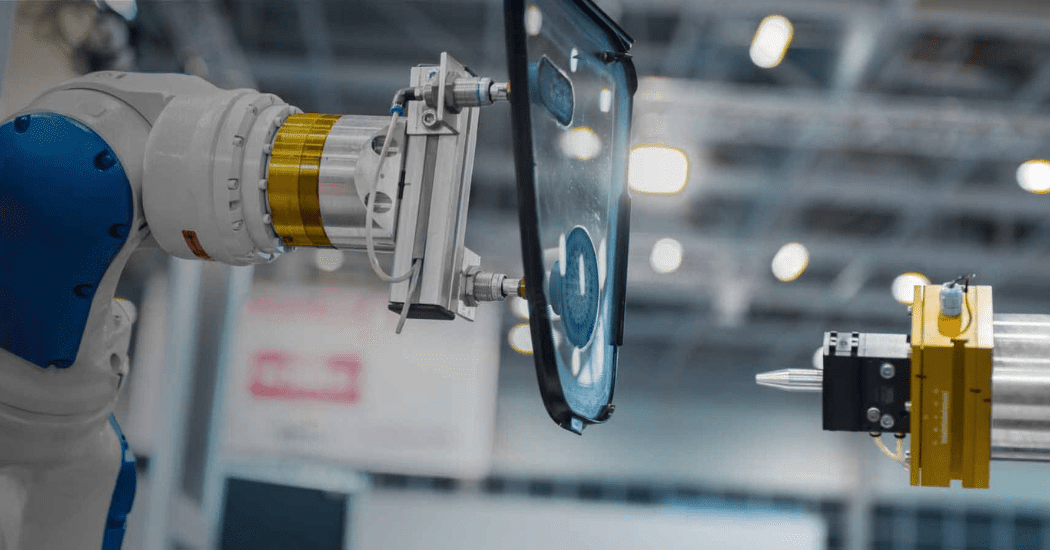
Electric Automation Systems with Robots: These are systems that use robots to perform complex and repetitive industrial tasks autonomously.
These are just a few examples of the types of electric automation systems used in industry. In general, Automation systems can be designed and tailored to the specific needs of each industrial process to improve efficiency and productivity.

An example of the use of robotics in industry through automation systems. eei.uvigo.es
Today, there is no doubt about the Advantages of Using Electric Automation Systems to optimize industrial processes in any sector or industry. To name just a few: these include reducing costs and production times, improving energy efficiency, eliminating human error, and ensuring consistent and uniform quality.
In addition, electric automation systems also play an important role in industrial safety (Here's an example of that), as they enable the detection and prevention of risky situations in real time. Control and monitoring systems can track machinery performance and alert operators in the event of malfunctions or breakdowns, thereby reducing the risk of accidents and ensuring a safer work environment. If you’re interested in becoming a leading professional in the manufacturing sector, be sure to explore the Structuralia's Catalog of the Best Master's Programs to stay up to date with the digital transformation in the industry.