Automation has made our lives much easier by enabling us to perform and control certain repetitive actions without human intervention. Specifically, the electric automation systems They allow us to apply that capability to the automatic control of all types of electronic or computer devices.
What Does an Electric Actuator Do?
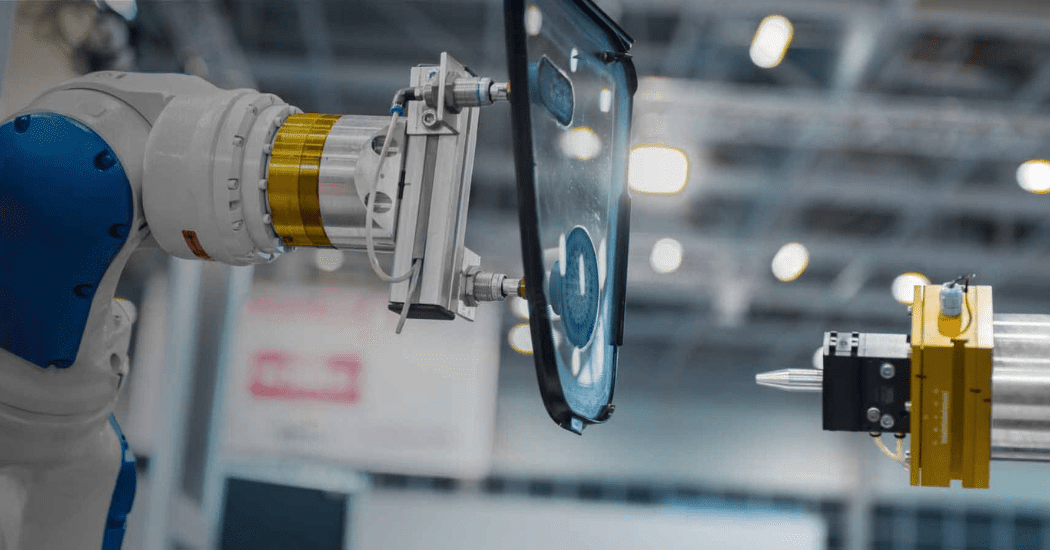
In the industry, it is very common to find electric automation systems used to move heavy loads or operate mixers and conveyor belts. In general, the incorporation of this technology in the sector has made it possible to automate machines and processes as a whole, greatly improving productivity, safety, and the quality of results in industrial projects. And, in addition, resulting in significant cost savings.
The circuits, devices, and all other components necessary for the machines to operate continuously make up the electric automation systems. These features make it easier to adjust, connect, and disconnect the device.
The Different Types of Electric Automation Systems
Electric automation systems may consist of programmed systems or hardwired systems, depending on the technology they use to operate. Let's take a closer look at each system.
Programmed Systems
The electric automation systems that work with the programmed logic They operate using programmable logic controllers. These are devices that can be programmed to function in various ways, adapting to the specific needs of each task.
They are used primarily in highly complex facilities. They are made up of many interconnected components. In addition, they have programmable memory units that are also linked electronically.
Wired systems
In contrast, electric automatic systems that operate with wired systems are based on the physical coordination of all the elements to perform each action. Through a series of logical equations Connections are designed to make them work.
All components of the electric automation systems that use wired systems are located in a electrical panel. We can find all of these elements there.
- The push buttons: They are used to start up the system (turn it on) or shut it down (turn off the equipment or machine).
- The Switches: They are used to turn the system on or off. They usually differ from push buttons in that switches remain in their position once they are activated.
- Switches: They are capable of reversing the direction of electrical current within a circuit. Unlike switches, they disconnect one circuit and immediately connect another.
- Career Endings: These contact sensors are placed at the end of the track; they send signals to modify the circuit.
- The detectors: There are thermostats for measuring temperature, pressure switches for measuring pressure, liquid level sensors for measuring liquid levels, and sensors that detect the presence of people or objects within a certain radius. All of these are used to open or close a contact when the measured value reaches a preset threshold.
- Relays: We can say that these are the basic components of wired systems. They are triggered by sensors or switches and are used to turn each circuit on or off.
- Timers: As the name suggests, they allow the machine to be turned on and off automatically.
- The counters: They work similarly to relays, but are used for circuits with much higher currents. They also differ from relays in that they have two types of contacts: main and auxiliary.
The ones we've seen are, essentially, the basic characteristics of the electric automation systems. If you’d like to expand your knowledge in this field, your best bet is to enroll in Structuralia’s courses and master’s programs in electrical engineering, which will allow professionals in the sector to complete or update their training in this and many other areas.