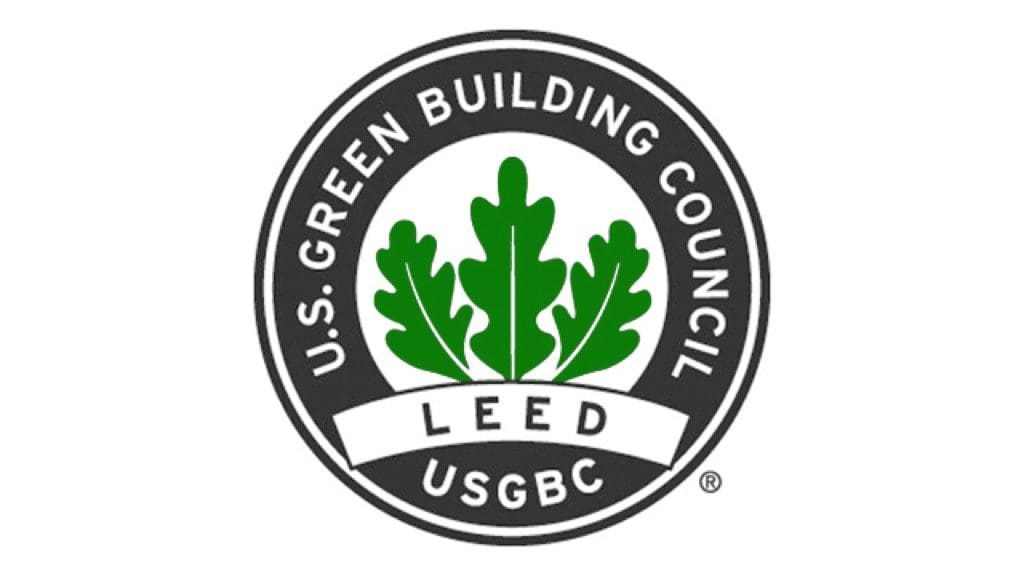
The LEED (Leadership in Energy and Environmental Design) program is a building certification system developed by the U.S. Green Building Council in the United States in 1998 that promotes sustainable construction and future building development.
LEED evaluates a project's performance by analyzing various key factors, such as the property's location, water conservation, the materials used, energy efficiency, and environmental quality.
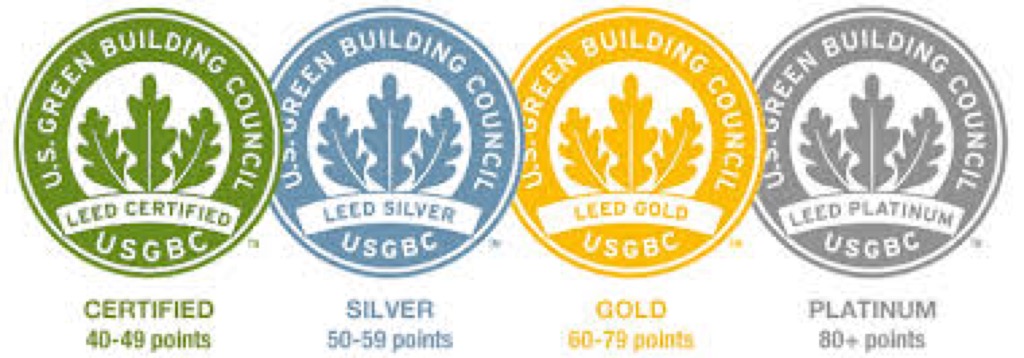
There are four categories of LEED certification, based on the score obtained from that analysis:
- LEED Certificate (Certificate): more than 40 points
- LEED Silver (Silver): more than 50 points
- LEED Gold (Gold): more than 60 points
- LEED Platinum (Platinum): more than 80 points
Therefore, to obtain this certification from the U.S. Green Building Council, it is important to consider the building-related measures pertaining to:the environment, protecting and respecting biodiversity and water and air quality, as well as reducing the volume of solid waste generated; social responsibility This is another point to keep in mind, as it improves indoor air quality, thereby enhancing the quality of life and comfort of the building's occupants; economic prosperity which we can achieve through sustainable construction, by improving economic performance, increasing employee productivity, and boosting profits, while reducing the operating costs of the building in question.
The LEED certification process consists of five steps:
- Choosing an Assessment System. There are certain prerequisites that the building must meet in order to achieve the minimum score (40 points). Based on this score, the project may qualify for one of four categories: Certified, Silver, Gold, and Platinum, as explained earlier.
- Building registration to begin the LEED certification process. Once you have submitted the form and paid your registration fee, the documentation process begins.
- Submitting the document for review, or submission of the application.
- Document Review. A review of the final design, a preliminary construction review—including credits from the construction and design phases that have not been submitted previously—and a final construction review. Both reviews are optional.
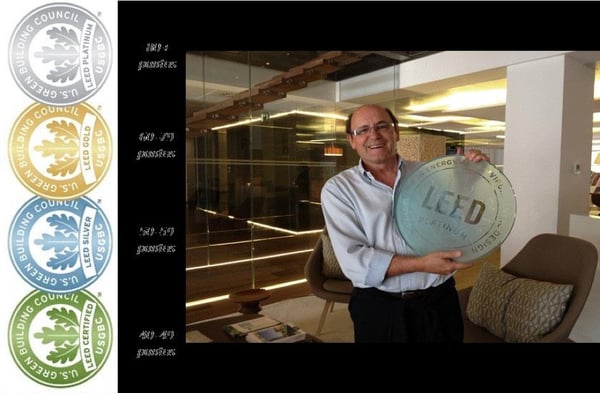
- Obtaining the Certificate. This is the final step, in which you receive one certificate or another depending on the score achieved. Until now, the symbol has been a plaque displaying the building’s rating. Currently, it is possible to obtain a dynamic plaque that monitors performance in terms of water and energy consumption, waste reduction, and other factors.
In addition to LEED certification, there are other tools for certifying sustainable buildings, including: BREEAM (United Kingdom), CASBEE (Japan), DGNB (Germany), HQE (France), and VERDE (Spain).
If you want to prepare for the USGBC's LEED AP exam or Spain's GBCe Accredited Assessor exam, you can do so with our master's program:
Master's Degree in Energy Efficiency and Sustainability in Building Construction