
Electrical Design: An Indispensable Tool in Modern Engineering
The electrical design It is an indispensable tool that every engineer who intends to work with any form of utilization or electricity generation.
With the evolution of the automation, we see that, in almost every aspect of daily life, there are systems that use electricity. This creates a need for a thorough understanding of the elements of electrical design in order to implement, to manipulate, repair o evaluate those systems.
What is electrical design?
Electrical design is defined as joint process to plan, simulate, implement, and commission electrically powered equipment. These systems generally include the following:
- Smart lighting systems.
- Residential, industrial, or commercial electrical installations.
- Audio and Video for Events.
- Electric power generation and distribution.
- Others.
What components make up an electrical design?
A good electrical design should include the following elements. Each of these helps with its implementation and future maintenance.
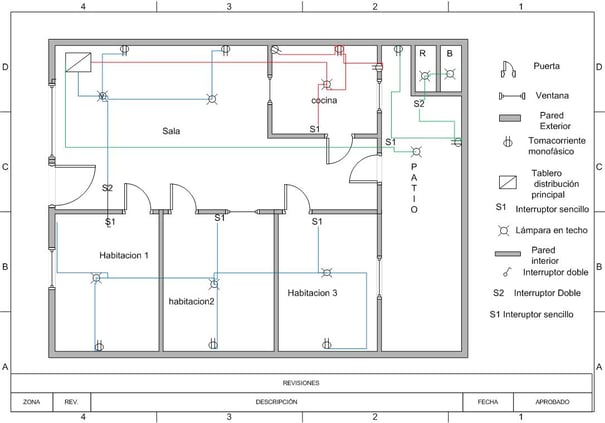
- Electrical Diagram. This document specifies the electrical connections of the entire area where the implementation will take place. It is important to note that this plan must be standardized and comply with the provisions of current regulations. Figure 1 shows an example of the basic elements that must be included in an electrical diagram.
- Load Study. This document establishes the amount of power that each element is capable of both consuming and providing.
- Technical Report. This document sets forth the materials that are to be used, the specifications construction and a budget which lists the costs of each component that will be part of the system to be implemented.
Source: delektric.cl
In addition to these documents, it will be essential to have a issued certificate by the competent authority stating the approval of the project.
How can you design an electrical system efficiently?
To create a proper and professional electronic design, it is worth considering the following steps:
-
Conduct a feasibility study. This involves determining whether what is to be installed or implemented is feasible given the characteristics of the location in question.
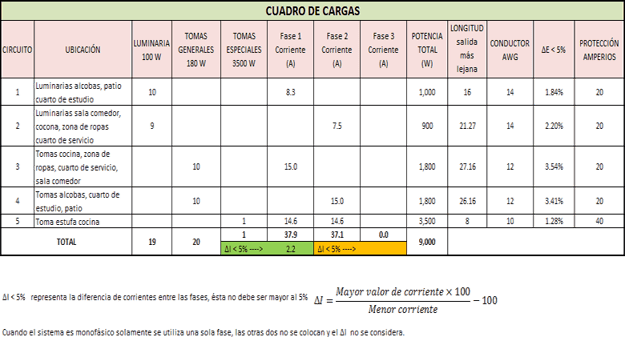
- Conduct a load study. This second step involves calculating the amount of power each component will consume. Once this has been determined, the power ratings are added together, and the result is multiplied by a safety factor of 1.5. Figure 2 shows an example of a conventional load study.
- Designing the Connections. This process is essential for optimizing the wiring. The person in charge of this stage must make all the necessary electrical connections or splices using as little material as possible. This will then be plotted on the corresponding drawing.
-
Startup. During this final stage, the supervisor must verify that the specifications in the plans are being followed to the letter.
 Source: portalelectricos.com
What software can be used for electrical design?
Thanks to advances in computer technology, it is now possible to access a wide range of tools that facilitate the the work of an electrical designer. We can list the following:
It is advisable, at the very least, to specialize in using a couple of these programs, as they significantly streamline the design process. Here at Structuralia, we are aware of current needs not only in electrical design, but also in various fields where the the professional development of our students.
The platform features a large number of specialization courses, masters and updates for various sectors of the engineering, sustainable development, and other technological fields, with the support of the San Antonio Catholic University of Murcia and Da Vinci University.