Originally published on March 22, 2016; updated on March 22, 2022
In 2024, the UN proposes a discussion on water safety during the World Water Day.
World Water Day: 2025, Moving Toward Global Water Equity
The World Water Day, designated by the UN every March 22, it remains a crucial reminder of the vital importance of water resources on our planet. With two-thirds of the Earth covered by water, but only 3% available as freshwater, responsible and equitable water management remains essential. In 2025, the UN General Assembly is focusing on the issue «Equitable access to drinking water,», emphasizing that more than 2 billion people worldwide still lack this basic right. This approach aligns with the global Sustainable Development Goals to ensure universal access to water and sanitation by 2030, highlighting the urgency of coordinated action at the international level.
History of World Water Day
Although it is arguably the most important resource on the planet, it was only 30 years ago that this date was recognized by the Organization of United Nations.
In 1992, it was held in Brazil, Rio de Janeiro, a conference on environmental development, where they concluded that it was necessary to begin by acknowledging this powerful element in order to address its challenges.
That's when the idea came up to create a World Water Day And starting in 1993, this date began to be observed around the world as a call to raise awareness.
It is a special day designed to help us reflect on the distribution of this resource across the planet and also to work toward its efficient and sustainable management in order to prevent serious problems in the future.
Conservation and Sustainable Development
The CEO of the UNESCO, Audrey Azoulay, points out that as a result of climate change and global population growth itself, groundwater will play an important role in meet the demand for drinking water and food preservation.
Audrey Azoulay is concerned that this primary resource is being compromised by a ongoing pollution which some scientists consider irreversible.
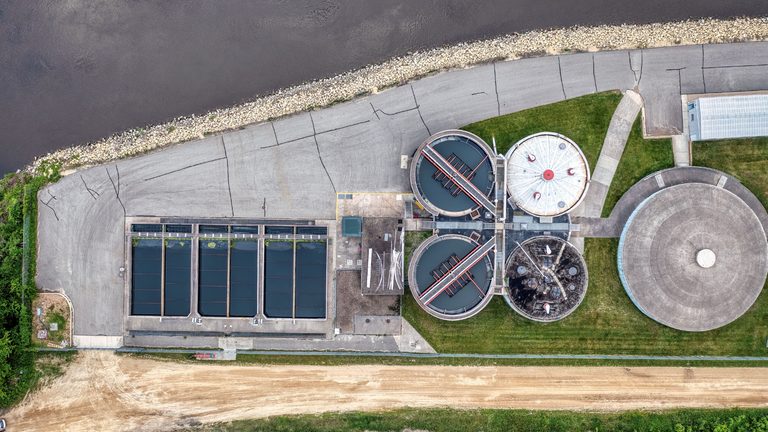
Currently, there are sustainable projects that aim to reuse or return this resource to the environment. Using various processes, we can recycle graywater and wastewater or collecting rainwater, among other activities that promote more responsible water use.
How can I easily contribute?
 During this year's UN conference on World Water Day, countries such as Tajikistan and the Netherlands have partnered with the New York City government to organize workshops, conferences, debates, and activities that enable the public to learn simple, practical ideas about resource conservation.
In this article, we'll share just three simple ideas for doing your part in this World Water Day:
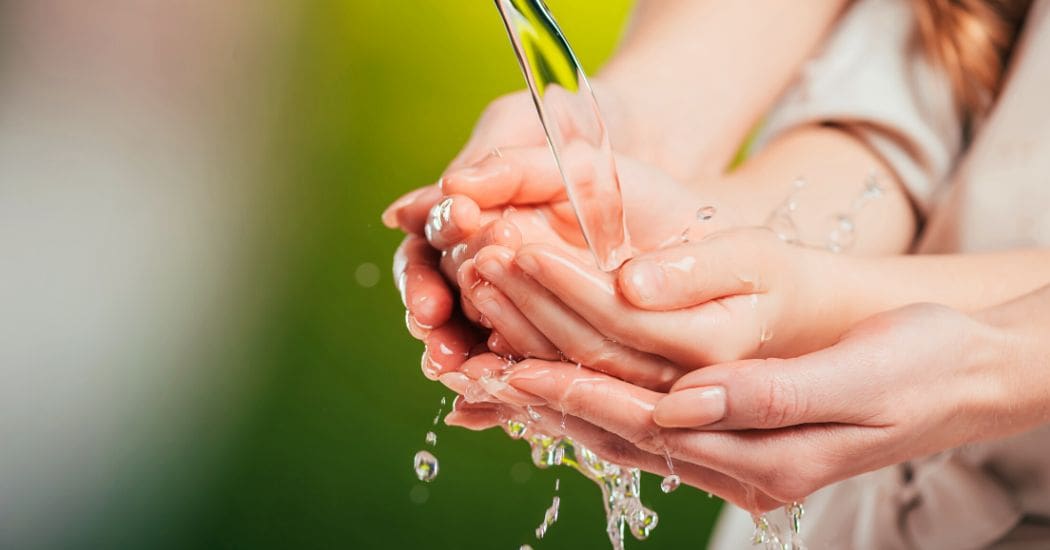
Turn off the faucet while you're taking a shower or washing your hands: There's no need to let the water run during these two activities. Using water only when necessary will save liters and liters of this vital resource.
Do not throw trash into clean water: This advice ranges from not flushing toilet paper down the toilet to not dumping oils, brake fluid, or toxic substances into aquatic ecosystems. Today, there are products that help protect the environment during everyday tasks, such as biodegradable detergents.
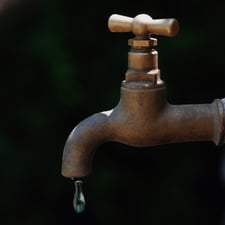
Keep an eye out for leaks at home: Keeping an eye out for any irregular drips from your faucets or pipes will help the environment. Yes, when we neglect these tasks, thinking they’re unimportant, thousands of liters are wasted every day.
Beyond simply celebrating World Water Day each year, it is important to recognize the the key role we play as citizens in the conservation of this vital resource, which is essential for carrying out our daily tasks and for our survival.
Despite the goals set by governments around the world for the year 2030, humanity still seems to be far removed from global progress that ensure sustainable development.
With With the aim of contributing in some way to more efficient and responsible management, Structuralia offers his Master's Degree in Integrated Water Cycle Engineering, a graduate program that takes an in-depth look at each process within the water cycle.