The AEC (Architecture, Engineering & Construction) industry It is undergoing a rapid transformation driven by digitization, automation, and new ways of managing the entire project lifecycle. Today, a company’s ability to accelerate its culture of innovation has become a key factor in competing on cost, timelines, and quality.
The combination of digital tools, real-time data, and new models of collaboration is redefining how any asset is designed, built, and managed. In this context, Digitization is not an option, but a prerequisite for remaining competitive.
Why is digitization key in the AEC industry?
Digitization is key because it allows us to connect all phases of the project within a single information flow. In a historically fragmented sector such as the AEC, where design, construction, and operations have operated in isolation, digital integration reduces errors and improves coordination.
In addition, pressure to meet tighter deadlines, reduce costs, and improve sustainability is forcing companies to adopt advanced digital tools. This not only streamlines processes but also improves real-time decision-making.
In this scenario, digitization becomes a strategic factor that directly impacts the profitability and the final quality of the project.
Key Challenges Facing the AEC Industry in Its Digital Transformation
Although the digital transformation is moving forward, the The AEC industry still faces barriers important.
One of the main challenges is the low process standardization, This makes it difficult for companies and projects to adopt common technologies. Added to this is resistance to change among certain teams and a lack of specialized personnel.
There is also a a significant gap between investment in technology and organizations' actual ability to integrate it in their day-to-day operations. Many companies adopt tools, but they do not transform their processes.
In this context, the key is not just to digitize, but change the way we work.
Technologies That Are Transforming the AEC Industry
Technological advancements are having an impact on every phase of the project life cycle, from design through operation.
The Role of BIM in the AEC Industry
The BIM (Building Information Modeling) It has established itself as one of the industry's core technologies. It allows for the integration of geometric, technical, and operational information into a single digital model, improving coordination across disciplines and reducing errors on-site.
The Role of AI and Data Analytics in the AEC Industry
The artificial intelligence and data analysis are transforming project planning and management. Thanks to predictive models, it is possible to anticipate deviations, optimize resources, and improve decision-making throughout the entire project lifecycle.
The Role of Digital Twins
The digital twins They allow physical assets to be replicated in virtual environments. This makes it easier to simulate scenarios, analyze behavior, and optimize infrastructure maintenance over time.
IoT in the AEC Industry
The Internet of Things (IoT) It provides real-time data from sensors installed on construction sites or infrastructure. This information improves monitoring, safety, and operational control.
Automation and Prefabrication in Industry
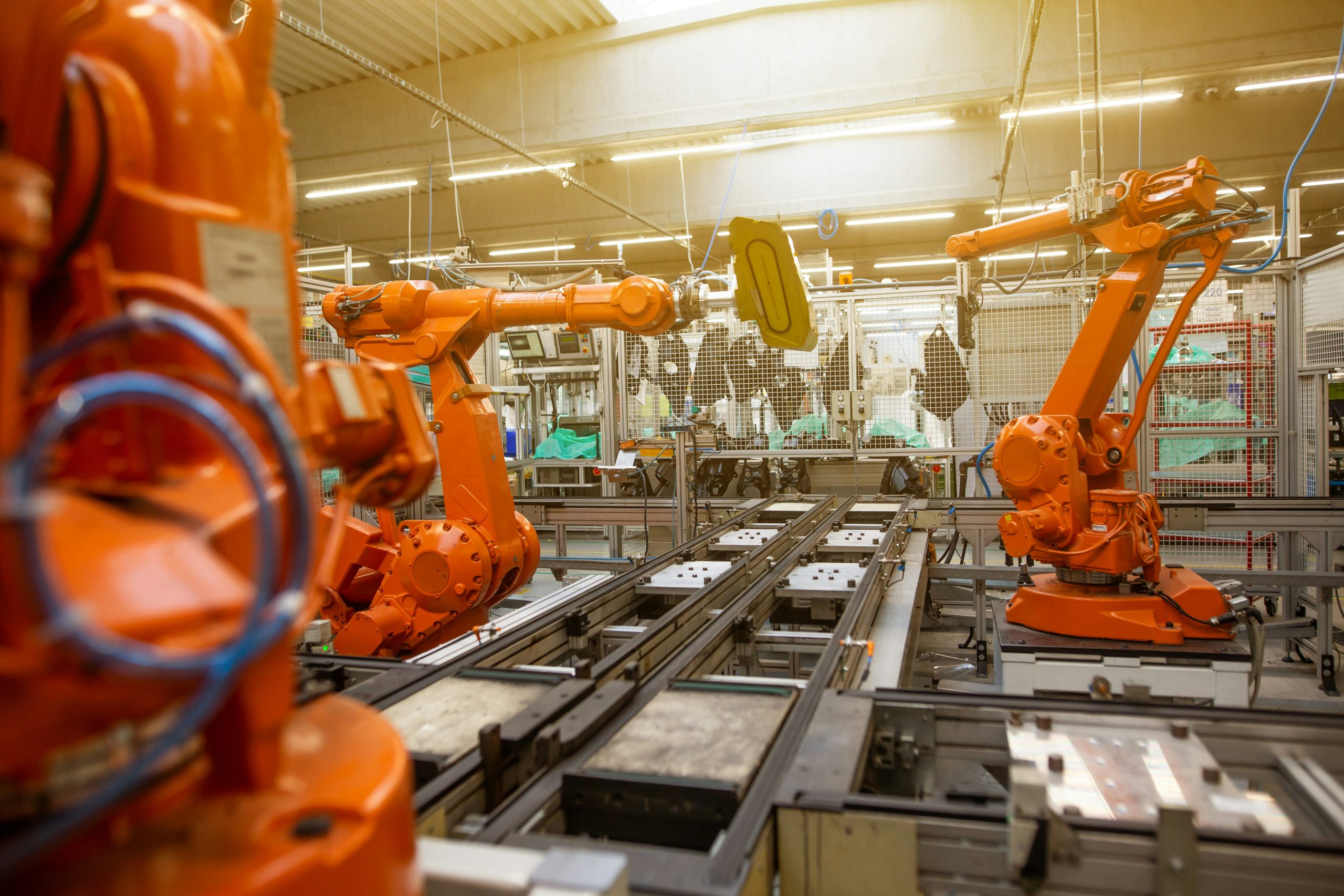
The automation and industrialized construction are reducing lead times and improving accuracy. Prefabrication allows for greater quality control in safer and more efficient environments.
Applied Technological Innovation: Use Cases in Business
The Innovation in the AEC Industry It is not limited to adopting technology, but rather to applying it strategically in real-world projects.
Today, it is possible to optimize entire projects using digital tools that improve planning, reduce errors on-site, and increase efficiency throughout all phases of the project lifecycle.
For example, the combined use of BIM, AI, and IoT sensors helps reduce cost overruns and anticipate problems before they occur. This translates into a direct improvement in project management and risk reduction.
In addition, technologies such as 3D printing They are beginning to be used in construction to speed up processes and reduce waste, while also helping to lower the carbon footprint.
The Role of Talent in the Digital Transformation of the AEC Sector
Technology alone does not guarantee transformation. The deciding factor is talent.
The digitization of the AEC sector is generating new hybrid profiles that combine engineering, technology, and data management. The ability to upskill current teams is key to accelerating this transition.
Companies that invest in training achieve better integrate digital tools and reduce resistance to change, which accelerates the adoption of technology.
Key Skills for Leading Digital Transformation in AEC
Professionals in the industry need new skills to lead this change.
Among the most important are proficiency with digital tools, data interpretation, BIM model management, and the ability to work in collaborative environments.
Analytical thinking and an understanding of the entire project lifecycle—from design to operation—are also key.
These skills make it possible to connect technology and business more effectively.
How Can AEC Companies Implement a Digital Transformation Strategy?
The digitization should be approached as a structural strategy, not as a collection of tools.
Assessment of Digital Maturity Level
The first step is analyze the organization's starting point. This makes it possible to identify technological and organizational gaps.
Defining Business Objectives
Technology must be aligned with specific objectives such as efficiency, cost reduction, or improved planning.
Selection of Key Technologies
Not all technologies are necessary for every company. The selection should be based on impact and feasibility.
Team Training and Development
Without training, technology is not implemented properly. Training is a critical component of digital adoption.
Impact Measurement
It is essential to measure results using indicators such as a reduction in errors, improved turnaround times, or operational efficiency.
Benefits of Digitalization in Industry
Digitization brings clear benefits in the AEC industry.
It helps improve project planning, reduce errors on-site, and optimize resources. It also facilitates collaboration among teams and improves the traceability of information.
In addition, it contributes to sustainability by reducing waste and improving the energy efficiency of projects.
Future Trends in Technological Innovation in AEC
The future of the industry will be shaped by a greater integration between digital technologies and construction processes.
The the expansion of artificial intelligence, digital twins, and advanced automation It will redefine how projects are designed and implemented.
The following will also grow: Use of collaborative cloud platforms and data integration in real time throughout the entire life cycle.
The AEC industry is moving toward a more connected, efficient, and data-driven model, where technological innovation will be the cornerstone of competitiveness.