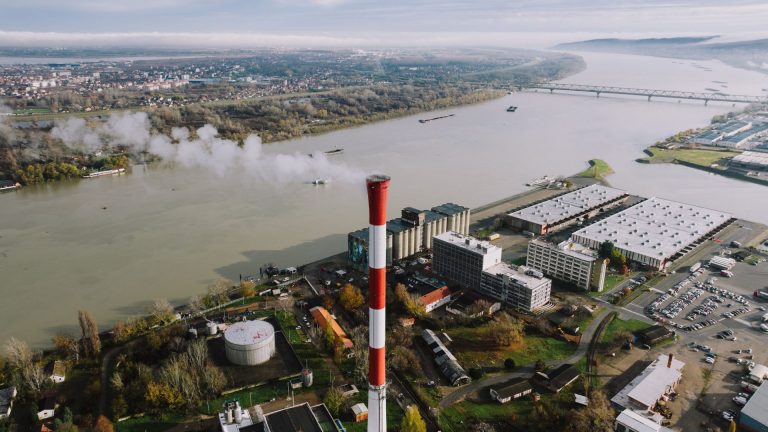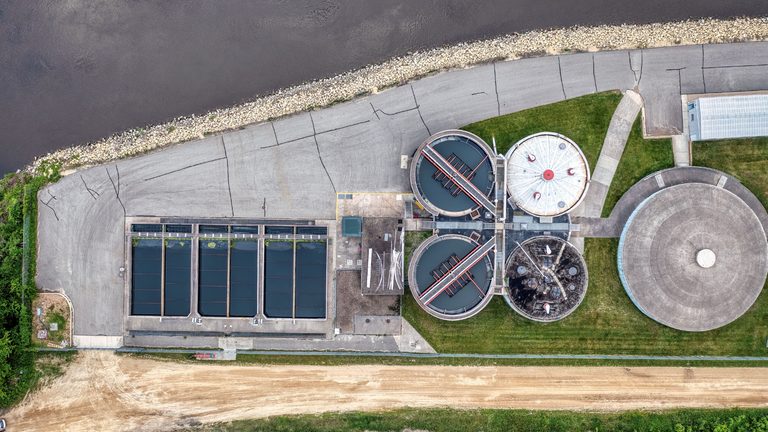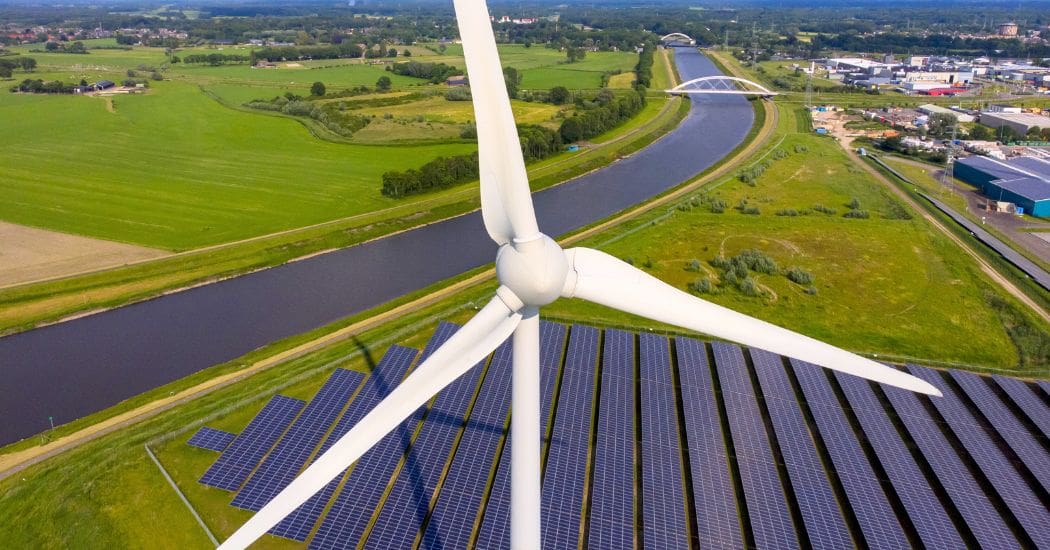
Examples of the circular economy are key to understanding the challenges facing industry, energy, and the environment.
Sustainable Design
Products are designed with their full life cycle. From the extraction of raw materials to final disposal, incorporating the ideas of Reuse, Repair, and Recycling.
Resource Efficiency
The goal is to maximize the use of existing resources through the reuse, recycling, and recovery of materials, reducing the need to extract natural resources.
End of Cycles
It promotes the reduction of waste and pollutant emissions to the environment, through efficient management systems and innovative technologies.
Examples of the circular economy
To illustrate how this approach applies to different industries, it is worth highlighting these eight examples of the circular economy.
1. Recycling of Industrial Waste
It is vital that industries develop mechanisms to manage industrial waste efficiently. This promotes recycling and reuse to reduce the demand for virgin resources.
2. Eco-design in the fashion industry
Fashion industry professionals can apply sustainable design principles to create durable and recyclable garments. This reduces the generation of textile waste, which is highly polluting.
3. Energy Recovery from Solid Waste
The conversion of municipal solid waste into biogas or recovered solid fuels is essential for waste management and energy production.
4. Renewable Energy and Energy Storage
The expansion of renewable energy and the development of energy storage systems are essential. This reduces dependence on the exploitation of fossil fuels.
5. Sustainable Water Management
Water reuse and nutrient recovery from wastewater are key approaches to water sustainability. Engineering fields focused on the water cycle explore these processes.
6. Sustainable Construction
The implementation of sustainable construction techniques and the use of recycled and low-carbon materials are key concepts for a circular system.
7. The Sharing Economy in Logistics
Optimizing logistics and transportation—by promoting sharing economy models—can reduce carbon emissions.
8. Biomass and Biogas
Energy experts harness biomass and biogas from organic waste, turning waste into sources of renewable energy.
How can we implement the circular economy?
The circular economy is an essential approach to addressing industrial, energy, and environmental challenges in a sustainable manner. Today, it is important that professionals can acquire the skills needed to lead and contribute to this transformation toward a sustainable future.
The circular economy is not only an environmentally friendly option, but also a a smart strategy for addressing the environmental and economic challenges of our time, while also promoting professional development in these critical areas. Structuralia It is a graduate school specializing in engineering, infrastructure, energy, and construction that can contribute to these learning processes.