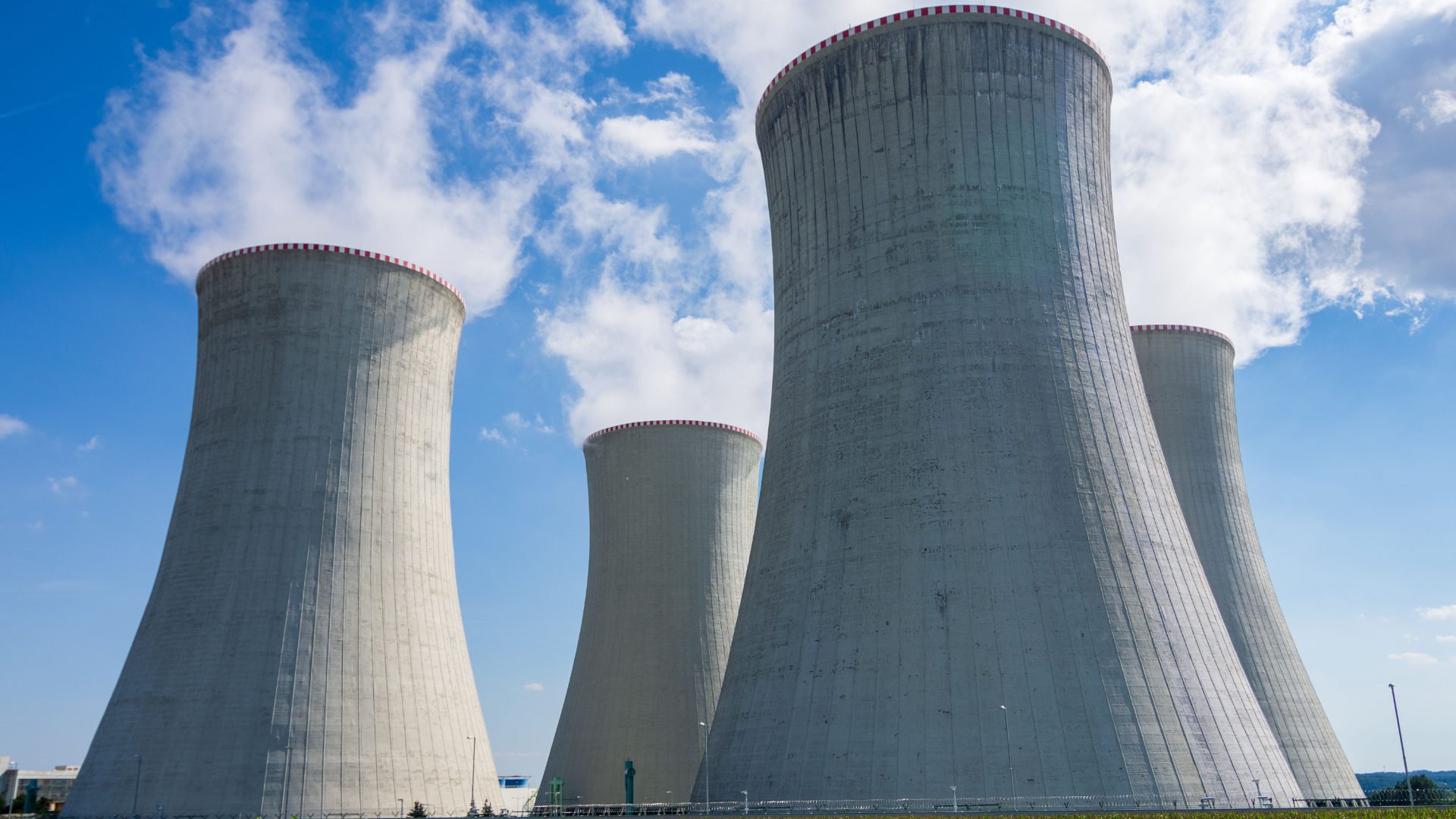
The Nuclear Energy in Spain and in Europe, it is returning to the energy agenda with a force that would have seemed unlikely a decade ago. The small modular reactors These aren't science fiction: there are projects under construction, signed contracts, and a demand for nuclear engineers which clearly exceeds the available supply. Engineering firms that understand the current situation have a window of opportunity that will not remain open indefinitely.
Why Nuclear Energy Is Back on the Global Energy Agenda
The decarbonization of the energy system has brought nuclear power back into the conversation. It is the only baseload power source that continuously generates electricity without CO₂ emissions, regardless of weather conditions. In a context where the intermittency of renewable energy sources requires a reliable backup, nuclear power is regaining its strategic appeal.
Added to this is the crisis of energy supply which has affected Europe since 2022, accelerating a reevaluation of nuclear power in countries that had begun the process of phasing out nuclear plants. France has announced the construction of new reactors, Poland has signed contracts for its first nuclear power plant, and the United Kingdom has declared nuclear power to be of national strategic interest.
What Are SMRs, and How Do They Differ from Traditional Nuclear Power?
A small modular reactor (SMR) is a nuclear power reactor with a capacity of less than 300 MWe, designed to be manufactured in a factory in standardized modules and assembled on site. Mass production reduces costs, shortens lead times, and improves quality control compared to large power plants built entirely on site.
SMRs also have an improved safety profile, can operate at smaller sites, and are more flexible in terms of integration with smaller-scale power grids. It is technology that has reignited investor interest in nuclear power because they solve the two major historical problems facing the industry: cost and construction time.
The Global and European Map of SMR Projects: Who Is Investing?
Europe and Its Nuclear Roadmap
Poland, the Czech Republic, Romania, and the Baltic states are leading the European nuclear push as part of their energy independence strategy. France is moving forward with its EPR2 program and exploring SMRs through EDF. The United Kingdom has the most advanced SMR program in Western Europe, with Rolls-Royce as the lead developer.
The United States and Asia
The United States is the world's most active SMR market, with NuScale, X-energy, and TerraPower as the leading developers. China has more than twenty reactors under construction and has deployed the world’s first commercial SMR. South Korea and Japan have relaunched their nuclear programs with a specific focus on SMR technology.
Spain's Role in the Supply Chain
Spain currently has no plans for new power plants, but Its supporting industry has historically played a significant role in the international nuclear supply chain. Spanish engineering, component manufacturing, and technical services companies are involved in projects in France, the United Kingdom, and Latin America. The sector’s global resurgence is creating real opportunities to establish a foothold in that supply chain before it becomes firmly established.
Business Opportunities for Engineering Firms in the SMR Ecosystem
The opportunities are not limited to the construction of the reactors. The SMR ecosystem drives demand for design engineering, precision component manufacturing, safety systems, waste management, regulatory licensing, and operation and maintenance. Companies with experience in technically demanding sectors such as oil and gas, aerospace, or process engineering have skills that can be applied to the nuclear supply chain.
In-Demand Job Roles in the Nuclear Sector
Nuclear engineers
Nuclear engineers are the hardest-to-find professionals in the industry y the one that takes the longest to train for. The shortage is structural: during the decades of industrial decline, universities drastically reduced the number of training programs offered, and young people did not choose this field of study. It will take years to rebuild that pool of core talent, and the companies that start training him sooner will have an advantage.
Security and Licensing Specialists
The licensing of nuclear facilities It is one of the most complex and heavily regulated processes in any industry. Specialists capable of managing relationships with regulators, preparing safety reports, and coordinating the authorization process are rare and highly valued in any project.
Materials and Components Engineers
SMRs require materials with specific properties related to radiation resistance, temperature resistance, and corrosion resistance. Materials engineers with experience in nuclear environments are in high demand for the component supply chain, especially in Europe, where the nuclear industrial base has shrunk significantly.
Nuclear Project Management
Nuclear project management combines the complexity of large-scale engineering with the most stringent regulatory requirements in the energy sector. Project managers with experience in the nuclear sector are extremely rare and highly sought after by the few developers currently active in the market.
The Nuclear Talent Gap: The Challenge of Generational Succession
The demographic situation in the nuclear sector is one of its most pressing problems. The professionals who built and operated today's power plants are reaching retirement age, and there is no guarantee that the next generation will take over. In many countries, more than 40% of the sector's workers are over 50 years old.
How Companies Are Training Their Teams in the Face of a Nuclear Resurgence
The most forward-thinking companies are investing in specialization programs designed for engineers in related fields (oil & gas, process industry, civil engineering) and retrain them in specific nuclear competencies. Training in nuclear culture, safety regulations, and the management of regulated projects is at the core of these programs.
Structuralia is active in technical training for the energy sector, with instructors from companies currently in operation, including in the field of high-demand facilities technical skills related to the nuclear sector.
Regulatory and Social Acceptance Challenges
The licensing of new nuclear facilities is the most common bottleneck in the development of SMR projects. Regulatory frameworks were not designed for modular series reactors, and the process of adapting existing regulations is proceeding slowly in most countries.
Social acceptance is also a key factor. The new generations of SMRs have a safety profile that is very different from that of the reactors involved in major historical accidents, but Communicating that change credibly to the public is a challenge that the industry has not yet fully addressed.
Trends in Nuclear Energy and SMRs for the Coming Years
The first wave of commercial SMRs will be operational before 2035. Investment decisions that will determine which supply chain companies will participate in these projects are being made now. Competition for nuclear talent will intensify as the projects move from the design phase to the construction phase.
The nuclear resurgence is not a marginal trend: It is a transformation of the global energy mix that will generate decades of demand for specialized engineering. Companies that position themselves now in the SMR supply chain will have a structural advantage over those that wait until the market is fully defined. Has your company identified the capabilities it needs to participate in this market?