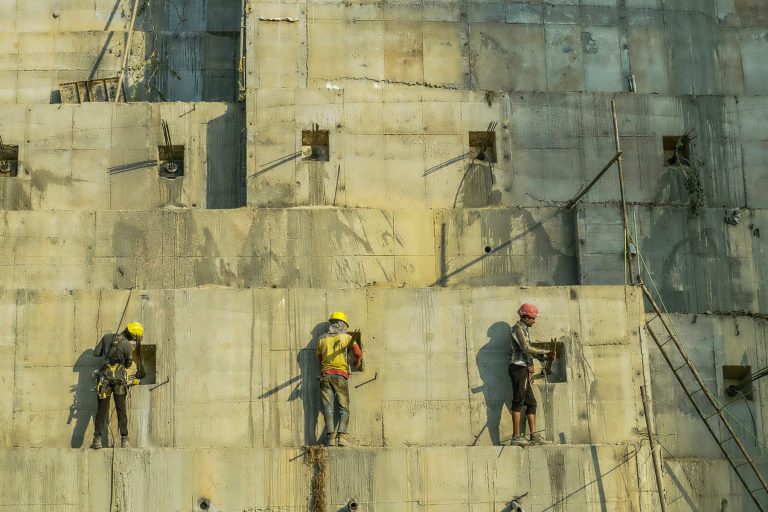
Waste management at a construction site is a process that should not be underestimated, as it makes it possible to recycle or reuse many materials and items.
First of all, it would be a good idea to conduct a initial waste treatment that will be generated during the course of a construction project, analyzing the possible options for managing them and the economic cost of each alternative. In this way, we will define the areas designated for the storage of materials, separating From the very beginning, the waste according to their type, since once they are mixed, this process becomes much more complex.
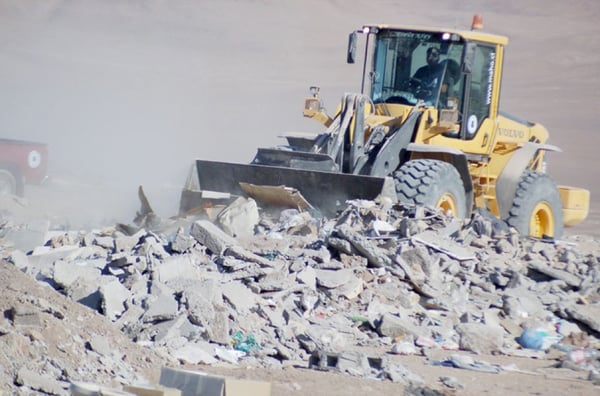
It is important that site personnel be informed about the proper handling of this waste—especially the cleaning staff—and that compliance be enforced.
Classifications and appropriate actions are determined based on the type of waste. Among the most common are the following:
Excavated soil and debris
This soil comes from construction demolition, excavations, and land clearing. It can be reused on the same construction site, at other construction sites as fill material, and in the restoration of quarries or gravel pits.
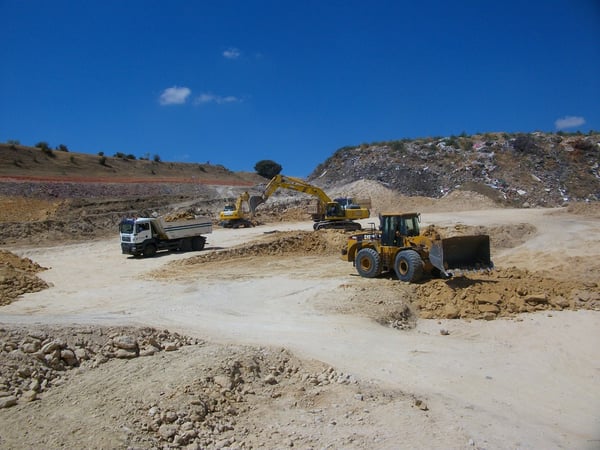
They can also be disposed of at a landfill for inert waste.
Debris Management
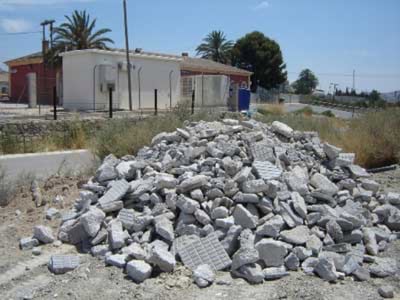
It may come from soil excavations, construction projects involving various types of infrastructure, or building demolitions, among other sources. If the debris is clean, it must be delivered to a waste treatment facility, where it will undergo a recycling process.
Plastics
These come from the packaging of materials, drums, jugs, protective film, etc. It would be best to separate plastics at the time of unpacking, before they become mixed with other waste, but this is not always possible.
Wood
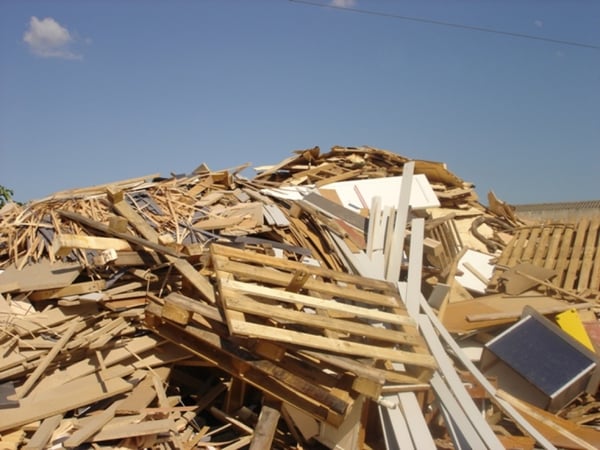
This waste comes from formwork boards, pallets, pruning, and other sources. Sorting this type of waste is straightforward. In addition, it is easy to find companies that collect and recycle this wood, although it could also be reused on the construction site—for example, as a protective barrier.
Metals
Metals can come from rebar trimmings or demolition projects; they are a type of waste that is traditionally sorted and recycled, as it is very cost-effective.
Waste from the cleaning of concrete tanks
Cleaning of the chutes on concrete mixers and concrete pump trucks is permitted only at the construction site, and the cleaning area must be clearly marked in advance. The mixing drum must be washed at a concrete plant, where the wastewater and waste generated can be treated.
Other waste
For some materials that generate only small amounts of waste (PVC, glass, rock wool), it is not cost-effective to set up a separate waste management system. An alternative could be to place them in a container to be managed as mixed construction debris.