Originally published on February 15, 2019; updated on October 19, 2023
The sustainability in buildings is closely linked to the growing problem of climate change.
Building with a Conscience: How to Manage Sustainability in Buildings
The sustainability in buildings It is an issue of growing importance today, since buildings are responsible parties a high level of energy and natural resource consumption, as well as the generation of greenhouse gas emissions.
The adoption of sustainable practices in the design, construction, and operation of buildings can have a significant impact on the reduction of its environmental footprint and in creating healthier and more efficient environments.
Given that October 24 of each year marks the International Day Against Climate Change, In this article, we will examine how sustainability management in buildings plays a major role in reducing the harm this problem causes to humanity.
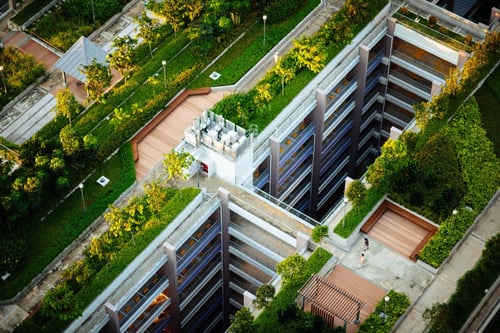 Sustainable buildings. Source: etico.es
Key Aspects of Sustainability in Buildings
Building with awareness means adopting approaches y practices that promote sustainability at every stage of a building's life cycle, from the design and the construction including operation and maintenance.
Below, we will present the most important aspects related to sustainability in buildings:
1. Energy Efficiency
Sustainable buildings are design and build with a focus on energy efficiency. This involves the use of systems such as lighting y climate control efficient systems, proper insulation to minimize energy loss, and the incorporation of renewable energy sources, such as solar panels or wind turbines, to reduce dependence on fossil fuels.
2. Water Management
Sustainability in buildings also involves the efficient management of water. This includes the installation of systems for water intake from rain, the reuse of water for non-potable purposes (such as watering gardens or flushing toilets), and the adoption of plumbing and irrigation technologies that minimize water consumption.
3. Sustainable Materials
The choice of sustainable building materials is another important aspect. This involves using materials made from low impact environmental, such as certified wood, recycled or recyclable products, and avoiding the use of toxic materials or those that generate harmful emissions. In addition, the use of construction techniques that reduce waste and promote reuse and recycling is encouraged.
4. Indoor Environmental Quality
Sustainability in buildings focuses not only on external aspects but also on the quality of the indoor environment. This involves choosing materials and products that do not emit toxic substances, the installation of appropriate ventilation systems to ensure healthy indoor air, and the design of spaces that promote the comfort and well-being of occupants.
5. Certifications and Standards
There are numerous certification systems and standards for evaluating the sustainability of buildings, such as LEED (Leadership in Energy and Environmental Design), BREEAM (Building Research Establishment Environmental Assessment Method), and the WELL Building Standard. These systems provide guidelines and criteria for the planning, design, and operation of sustainable buildings, and can help building owners and developers demonstrate compliance with high sustainability standards.
Step-by-Step Guide to Sustainability Management in Buildings
Sustainability and energy conservation must be two priorities in the construction and proper management of buildings. This is primarily due to two reasons:
- It represents a commitment to the environment.
- It leads to cost savings.
So, one might ask… How can we make a effective sustainability management And what about energy savings? What factors influence this process?
1. Legal Knowledge
Given the need for efficient and environmentally friendly buildings and structures, the central and regional governments have developed a legal framework that you need to know. The Ministry of Public Works issues guidelines; in some cases, these are mandatory, while in others they are recommendations.
2. Grants and Subsidies
In addition to the previous point, these same government agencies offer aid and grants for promote Sustainability and energy efficiency in buildings. You should familiarize yourself with them and study them to see if your project can benefit from any of them.
3. Conduct an energy audit
Now that you’re familiar with the legal framework, it’s time to analyze the building’s current condition. This is a key factor, as it will allow you to identify areas for improvement and the resources at your disposal. To do this properly, you should take the following factors into account:

-
- Consumption History. This is one of the most valuable pieces of information, as it will allow you to identify spending spikes, growth, and trends.
- Analysis of all factors affecting consumption. At this point, you should analyze the construction progress, identify the equipment that is driving up costs, and inspect the entire facility.
- Inspection of materials and their condition. It is important to know the materials used in all of the building's systems, to verify that they have not exceeded their useful life, and to ensure that they are not deteriorated.
- Site Assessment. It is important to assess the impact that a building has on its surroundings. For example, if an area is shaded by another building, energy consumption may increase.
4. Action Plan
Based on the data collected in the three previous points, we must create a detailed plan outlining the steps we will take to optimize energy consumption. In addition, we must estimate the costs associated with implementing the measures identified in the audit.
5. Timings and Deadlines
Create a timeline for implementing the plan.
6. Measure the building's energy consumption
Once the plan has been implemented according to schedule, we must ensure that the changes have been carried out correctly. To do so, we must use one of the specific tools approved by the Ministry of Industry, Energy, and Tourism, such as Lider-Cleaner or CE3.
To achieve all of this, we need professionals with the right training—something we can accomplish through high-quality master’s and postgraduate programs like this one.
Why is the International Day Against Climate Change observed?
International Day Against Climate Change is observed on October 24 each year. This date aims to raise awareness about the challenges we face due to climate change and to promote the adoption of measures to mitigate its effects. It was established by the United Nations (UN) cAs an initiative to bring together individuals, communities, organizations, and governments in the fight against this global problem.
The Importance of Taking Action Against Climate Change
Climate change has significant impacts on various aspects of our lives, including the environment, the economy, and human health.
Rising global temperatures, biodiversity loss, extreme weather events, and rising sea levels are just some of the the alarming effects we are witnessing.
It is essential to take urgent action to reduce greenhouse gas emissions, promote sustainability, and adapt to the changes that are already inevitable.

Individual Actions to Combat Climate Change
We all have a role to play in protecting the environment. Here are some steps each of us can take to combat climate change:
1. Reduce carbon emissions
Choose more sustainable modes of transportation, such as walking, biking, or usingzUse public transportation and reduce energy consumption at home.
2. Promote energy efficiency
Use energy-efficient appliances, turn off electronic devices when they are not in use, and make the most of natural light.
3. Promote the use of renewable energy
Install solar panels in homes or support the transition to clean and sustainable energy sources in the community.
4. Adopt a sustainable lifestyle
Consume responsibly, reduce food waste, and choose local and seasonal products.
5. Planting trees and preserving natural areas
To contribute to reforestation and the protection of natural ecosystems, since trees absorb carbon dioxide and help combat global warming.
In summary, conscious construction and sustainable building management are essential to addressing current and future environmental challenges. This requires a comprehensive approach that takes environmental, social, and economic factors into account. Adopting sustainable practices in the construction and operation of buildings helps create a more sustainable and resilient future for future generations.
On the other hand, global action is essential to effectively address the planet’s problems, promote cooperation among countries, and improve living conditions for everyone. It requires a collaborative approach, solidarity, and a shared commitment to building a sustainable and equitable future for humanity.
If you are a professional looking to enter the workforce as an expert in energy efficiency and renewable energy in urban settings, you can expand your knowledge with the Master's Degree in Energy Efficiency and Sustainability in Building Construction.