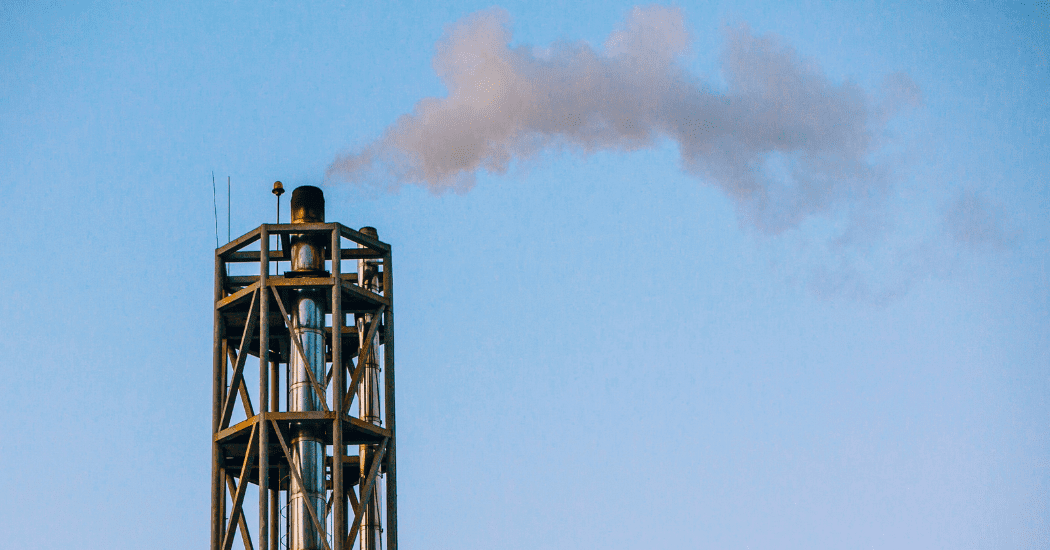
The gray hydrogen It is the most widely used fuel because it is the cheapest; however, it is the most harmful due to its emissions of CO₂ into the atmosphere.
Other Types of Hydrogen
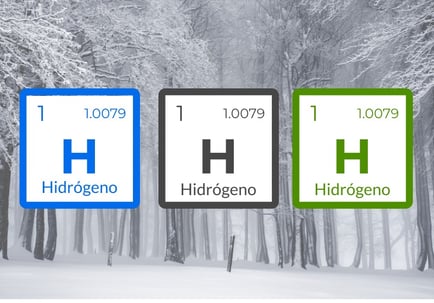
The color of hydrogen determines the amount of emissions that it generates during the process and the way in which it is produced.
If we take, for example, the blue hydrogen, this refers to the element that also generates emissions of CO₂, but unlike gray hydrogen, these emissions are lower and are also captured for later storage or reuse for eco-fuels, among other derivatives.
1. Pink hydrogen
It is produced by electrolysis of water powered by nuclear energy, which makes it a form of production more sustainable than the previous ones.
2. Yellow hydrogen
Yellow hydrogen comes from a variety of sources, ranging from renewable energy to fossil fuels.
3. Turquoise Hydrogen
It is produced by passing natural gas through molten metal, which causes hydrogen to be released and solid carbon, without causing polluting emissions from CO₂.
4. White hydrogen
This hydrogen can be found in underground reservoirs in gaseous form.
Hydrogen provides endless possibilities as fuel. Despite this, further research is needed in order to ensure that the costs within the market decrease, it can be considered safe for home use, and its widespread adoption can also be achieved.
If the goal is to achieve a carbon-free world, the focus is on the Green hydrogen as a sustainable energy source. The same goes for gradually replacing the "gray hydrogen" that has been used in industrial processes—the most economical option, but also the most harmful.
Greenhouse gases are emitted by gray hydrogen, and this prevents the element from becoming the safe fuel of the future.