We define environmental impact as any alteration to the environment or any of its elements or conditions, caused directly or indirectly by human activities. Therefore, any changes we make to the land for the construction of a building will be considered as such.
Over the past six decades, Spain’s population has grown by 16 million people. This population growth has been accompanied by an increase in environmental impact, due to the need to build to meet growing demand.
Consequently, the environmental footprint of buildings has been very high, since any construction project involves energy consumption, the use of materials, visual disruption, changes to the environment, and so on. For this reason, it is important to take into account the impacts that will result when undertaking a project.
Environmental Impacts of Construction
When constructing a building, it is essential to assess the environmental impacts it will generate in order to minimize them as much as possible. Below, we will describe the main environmental impacts associated with construction projects:
1. Land Use
Land use is the most direct of all and the hardest to reduce, because constructing a building requires the use of a plot of land. This involves changing the land’s characteristics and also results in a visual alteration of the area.
In Spain, between 1987 and 2011, the amount of land developed was equal to the total amount that had been developed throughout the country’s entire history. This striking statistic, fueled by the construction boom of the early 21st century, gives an idea of the significant impact on land use that our country has experienced in recent years.
2. The use of materials
The use of the materials needed to construct a building involves altering the environment from which they are extracted. To put this into context, it is estimated that the amount of material required to build one square meter of housing is around two metric tons.
Focusing on Spain, approximately 40% of the materials extracted are used in the construction sector, with more than half of them being aggregates. For this reason, it is important to regulate their extraction to prevent irreparable environmental damage to the biodiversity of the quarries.
3. Energy consumption over the product's lifespan
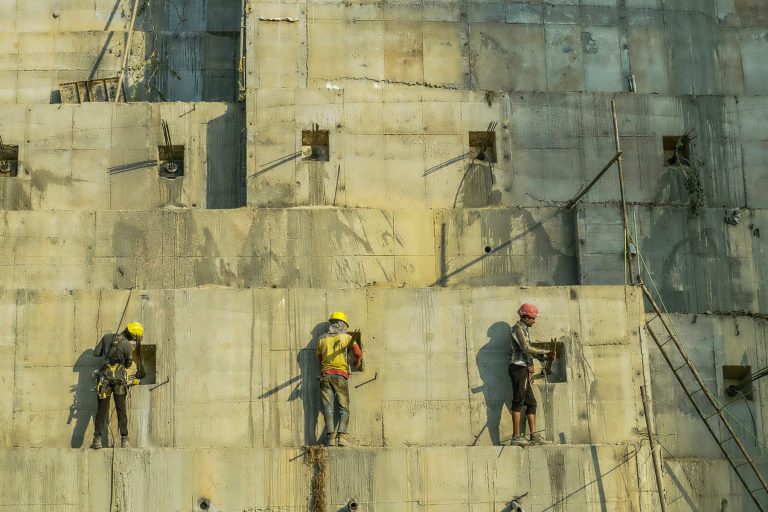
A great deal of energy is consumed during the construction, operational, and demolition phases of a building, which has a serious impact on the environment. This is due, among other things, to the processes of extracting, transporting, and installing materials, which involve the use of a great deal of machinery. Consequently, this results in high fuel consumption, which emits polluting particles into the air.
It is estimated that the energy consumed by the construction sector—both directly (through residential use) and indirectly (through construction projects)—ranges from 30% to 40% in Spain. As a result, large amounts of air pollutants are emitted, affecting the environment.
4. The Generation of Construction Waste
Last but not least is waste generation. All processes carried out at a construction site generate waste—whether solid or liquid—that cannot be disposed of just anywhere. Therefore, it is necessary to monitor and track this waste and treat it in accordance with regulations.
The waste generated in this sector amounts to one metric ton per capita per year in Spain. Currently, strict regulations are followed regarding its treatment and disposal, while efforts are made to reuse as much of it as possible.
Toward More Sustainable Construction
Given the environmental impacts caused by the construction of a building, steps have been taken in recent years to reduce our environmental footprint.
Sustainable architecture is becoming increasingly prevalent in every phase of a building's life cycle. As a result, much of the waste generated is reused, and energy efficiency is improved, thereby reducing the environmental impact.
EIn conclusion, in the coming years, the continued emergence of sustainable buildings will significantly reduce the environmental impacts of construction projects. Furthermore, the introduction of new techniques and technologies into construction processes will help us continue on the path of environmental stewardship. Jump on the sustainability bandwagon and learn about specialized training courses.