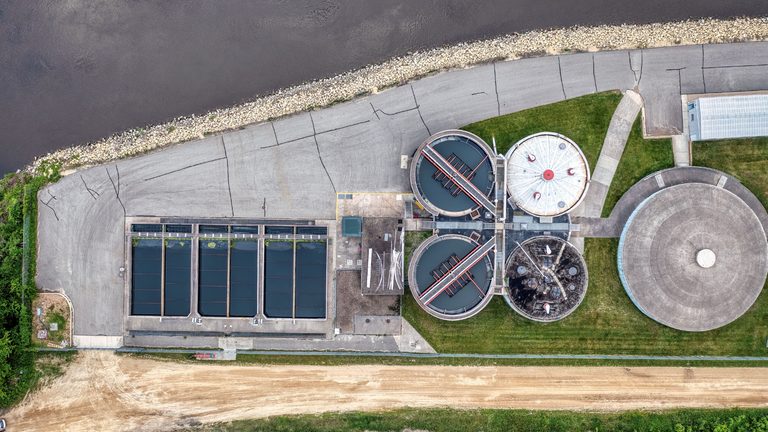
This post discusses the challenges that Latin America to improve its transportation infrastructure, structure, development, and implementation.
Transportation Infrastructure in Latin America: Structure, Development, and Implementation in LATAM
The transportation infrastructure refers to the networks and systems that enable the movement of people and goods across a territory. This infrastructure consists of highways, airports, railroads, ports, and mass transit systems such as subways and light rail.
Structure of the Transportation Infrastructure in Latin America
In Latin America, transportation infrastructure varies significantly from country to country. For example, countries such as Brazil, Mexico, and Argentina have a more developed transportation infrastructure compared to other countries such as Honduras or Nicaragua. However, in general, the entire continent faces problems such as a lack of investment, maintenance, and long-term planning.
1. Roads
The road is the most commonly used mode of transportation in Latin America, since it is the most accessible and affordable option for most of the population. However, many roads in the region have low quality and they are in poor condition, which hinders traffic and increases the accident risks. In addition, the lack of high-quality roads in rural areas makes it difficult to access to basic services and limits economic opportunities for local communities.
2. Airports
Airports are another important part of Latin America's transportation infrastructure. Although there are some modern and well-equipped airports in the region, in general, airport infrastructure is inadequate and underdeveloped. Airports in Latin America face problems such as overcrowding, flight delays, and a lack of services.
 Benito Juárez Airport. Source: https://turismo.org/
3. Railroads
The railroad is also a a major mode of transportation in Latin America, but their use is limited due to a lack of investment and maintenance. Railways in the region face problems such as tracks in poor condition and outdated trains.
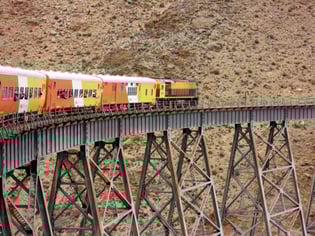 Source: https://nuso.org/
4. Mass Transit Systems
Mass transit systems, such as subways and light rail, are an important alternative for reducing traffic congestion in large cities. However, these systems They are rare in Latin America due to a lack of investment and long-term planning.
 Source: https://interrailero.com/
Development of Transportation Infrastructure in Latin America
Transportation Infrastructure in Latin America is insufficient and underdeveloped, which hinders the movement of people and goods and limits the region's economic opportunities.
To improve transportation infrastructure in Latin America, it is necessary to increase investment on highways, at airports, on railways, and in mass transit systems. It is also important to improve the maintenance and long-term planning to ensure that the infrastructure is sustainable and efficient in the future. In addition, it is essential to involve the community and take its needs into account in the planning and
In summary, A joint effort is needed among the various levels of government, the private sector, and the community to improve transportation infrastructure in Latin America and achieve more sustainable and equitable development in the region. To expand knowledge in this area, Structuralia It provides very detailed and accurate information.