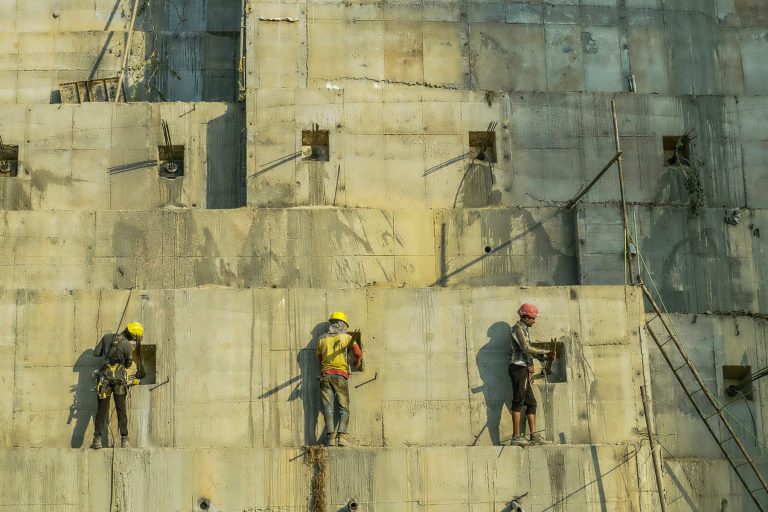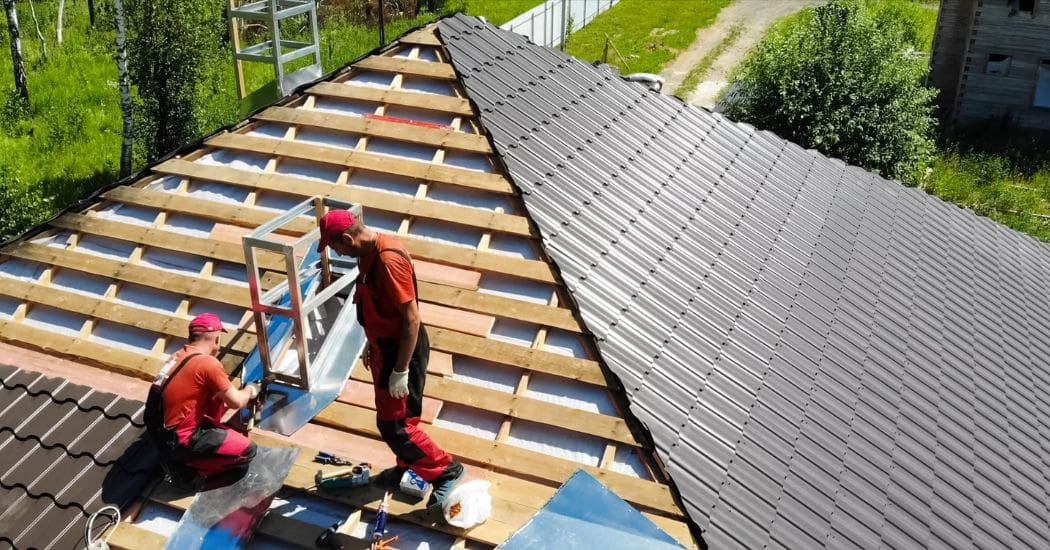
Architecture and engineering are constantly evolving, driven by technological advances that open up new possibilities for building more sustainable, efficient, and functional infrastructure. In this context, the smart materials have emerged as one of the most promising innovations. As the Spanish Technology Platform for Advanced Materials and Nanomaterials.
These materials have the ability to adapt and respond to changing environmental conditions, enabling engineers and architects to design more advanced and sustainable solutions. This article explores what smart materials, the different types and their applications in architecture and engineering, as well as the benefits and challenges associated with their use.
What are smart materials?
The smart materials are those capable of changing their properties in response to external stimuli, such as changes in temperature, humidity, pressure, light, or even electric fields. Unlike conventional materials, which maintain constant characteristics, the smart materials They can adapt dynamically to their environment, giving them unprecedented flexibility in their application. This adaptability not only improves product efficiency but also enables the creation of more sustainable and durable systems.
In other sectors, products such as the following have already been developed: smart packaging, That is why, by taking it a step further, we arrive at specific materials such as smart materials.
Innovation in smart materials It has revolutionized both architecture and engineering, offering new solutions to traditional problems such as energy efficiency, protection against natural disasters, and extending the service life in infrastructure. These materials are not limited to responding to physical changes; they can also perform active functions, such as improving performance or self-cleaning, opening up a wide range of possibilities in the design and construction of buildings and industrial systems.
What are the main types of smart materials and their characteristics?
The smart materials They encompass a wide variety of types and characteristics, each suited for specific applications. Among the most notable are the piezoelectric materials, thermochromic materials, photochromic materials y self-healing materials. These types are described below, along with a real-world example of their application for each:
Piezoelectric Materials
These materials generate an electric charge when pressure is applied to them. They are essential for creating devices that respond to physical forces, such as sensors and actuators. An example of an application in industrial engineering is the use of piezoelectric materials in vibration sensors on bridges and buildings, where structural deformation can be measured and potential failures can be prevented.
Thermochromic Materials
They change color depending on the temperature. These smart materials They are useful for creating surfaces that indicate temperature changes in real time. In architecture, they are used in facades or windows that darken or lighten depending on the outside temperature, helping to reduce energy consumption in buildings. One example is thermochromic glass used in the construction of sustainably designed buildings.
Photochromic Materials
Similar to the thermochromic materials, photochromic materials react to light. They are ideal for applications where control over the amount of light entering a space is needed. A real-world example is photochromic sunglasses, which darken when exposed to sunlight, but they also have applications in the construction of windows that adapt to changing light conditions.
Self-healing materials
These smart materials They have the ability to repair minor damage, such as cracks or breaks, without human intervention. This significantly improves the service life of structures and reduces maintenance costs. A notable example in civil engineering is the use of self-healing concrete, which contains bacteria that produce calcium when they come into contact with water, sealing cracks and preventing structural deterioration.
Innovative Applications of These Materials in Architecture and Industrial Engineering
The smart materials are revolutionizing the way architects and engineers approach the construction of buildings and industrial infrastructure. Their ability to adapt and respond to external stimuli has enabled the design of more efficient, sustainable, and service life long-term. Some of the most innovative applications include:
Sustainable Construction
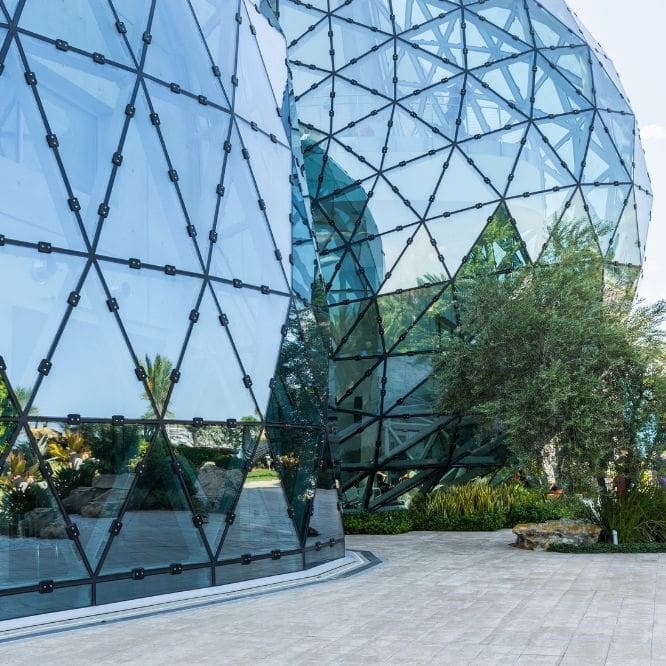
The smart materials such as photochromic and thermochromic glass, which are used in the design of smart buildings, where facades and windows automatically adapt to weather conditions, in the booming sector of Sustainable Architecture. These materials not only improve occupant comfort but also help save energy by reducing the need for heating or air conditioning.
Self-healing Structures
The use of concrete and asphalt Self-healing technology is transforming civil engineering. This type of smart materials It not only improves the service life not only improves infrastructure but also reduces the environmental impact by minimizing the need for costly repairs and replacements. One example of its implementation is the use of self-healing concrete in bridges and urban roadways, which increases safety and reduces maintenance.
Structural Health Sensors
The piezoelectric materials are used in sensors that measure the vibration and deformation of structures. These sensors can be integrated into buildings, bridges, and other infrastructure to monitor their structural integrity and prevent potential collapses. Advances in smart materials have enabled the creation of real-time monitoring systems that improve user safety and optimize structural maintenance.
Automotive Technologies
The smart materials They are also transforming the automotive industry. For example, seats and control panels that use piezoelectric materials to adjust the position or provide feedback to the driver. In addition, photochromic windows in vehicles allow for the regulation of the amount of light entering the interior, which contributes to greater energy efficiency.
Advantages and Benefits of Using These Smart Materials in Architecture and Industrial Engineering
The use of smart materials In architecture and industrial engineering, this approach offers a number of significant advantages. Among the most notable benefits are:
Energy Efficiency
The thermochromic materials and photochromic windows are ideal for improving energy efficiency in buildings, as they allow for the regulation of light and temperature without the need for additional mechanical devices. This results in lower energy consumption for heating or cooling, which reduces operating costs.
Reduced maintenance
The self-healing materials and piezoelectric materials enable the creation of more resilient and durable infrastructure, which reduces the need for maintenance and extends the service life of the structures. This not only has economic benefits, but also improves the safety and reliability of buildings.
Sustainability
When incorporating smart materials In the construction and design processes, the creation of more sustainable infrastructure that requires fewer resources and less energy for maintenance is encouraged. This is actively promoted by the Spanish Network for Sustainable Development.
In addition, the capacity of the smart materials Adapting to its environment helps reduce waste and carbon emissions.
Security
The sensors built into piezoelectric materials They enable constant monitoring of infrastructure, which helps identify problems before they turn into serious failures. This improves user safety and reduces the risk of accidents.
Challenges Overcome, Limitations, and the Future of Smart Materials
Despite the progress, the use of smart materials still faces certain challenges. One of the main challenges is the high cost of production, which limits its widespread adoption. In addition, many of these materials require specialized technologies for integration into existing systems. As research in smart materials As this field advances, costs are expected to decrease and these materials are expected to become more accessible for smaller-scale projects.
The Future of the smart materials It shows great promise. New types are being developed with even more advanced properties, such as the ability to self-regulate under extreme conditions. This opens up a wide range of possibilities for creating smarter, more sustainable, and safer infrastructure.
Conclusion
The smart materials are revolutionizing the way architects and engineers approach the design and construction of infrastructure. Their ability to adapt and respond to external stimuli not only improves energy efficiency and reduces operating costs, but also increases the durability and safety of structures. With the ongoing development of these materials, we are likely to see a future where architecture and engineering focus on increasingly sustainable and advanced solutions.
If you're interested in learning more about project management in the engineering and construction sector, we recommend the Contract Manager Course: Administration and Management of Contracts for Engineering and Construction Projects, which will provide you with the tools you need to effectively manage contracts and projects related to the implementation of smart materials in architecture and industrial engineering.