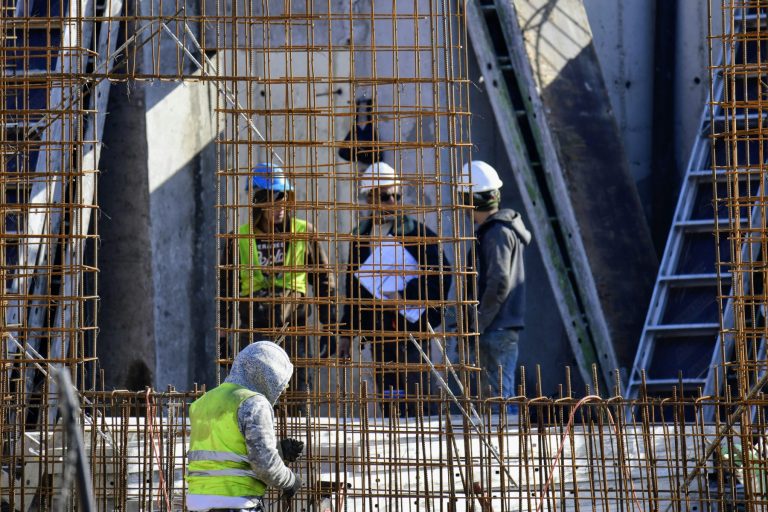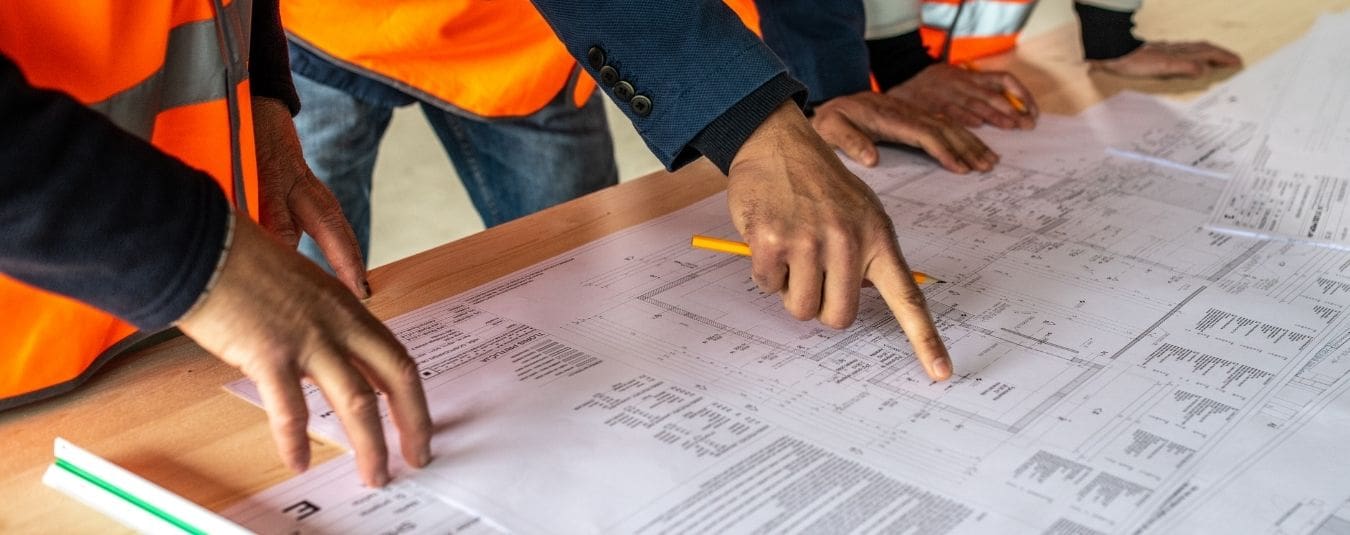
Budget management is one of the cornerstones of success for any construction project Civil engineering. Without rigorous planning and oversight, even the most promising projects can go off the rails, facing cost overruns, delays, and, ultimately, failure. The construction industry, characterized by its complexity, the variability of external factors, and the interconnection of various disciplines, requires a methodical approach to financial management.
This article takes an in-depth look at the basic strategies for effective budget management in a construction project, from the initial estimation phase through ongoing monitoring to project closure. We will explore the importance of accurate estimation, cost classification, the role of technology, and best practices for mitigating financial risks.
The Importance of an Accurate Estimate
The starting point for any budget in a construction project It is an accurate estimate. This phase lays the groundwork for all subsequent financial decisions. A poor estimate can lead to uncompetitive bids (too high or too low), an underestimation of the necessary resources, and conflicts with clients.
To arrive at an accurate estimate, it is essential to consider all the elements that make up the scope of the project. This includes not only materials and labor, but also equipment, permits, insurance, contingencies, and potential risks. Previous experience with similar projects and access to up-to-date cost databases are invaluable tools at this stage.
Classification of Costs in a Construction Project
Understanding the nature of costs is vital for effective budget management. Generally, costs in a construction project They are divided into two main categories:
Direct costs
The direct costs These are costs that can be directly attributed to a specific activity or element of the project. They include:
- Materials: the cost of all raw materials and components needed for construction (cement, steel, wood, etc.).
- Labor: salaries, benefits, and social security contributions for personnel working directly on the construction site.
- Teams: the rental or depreciation of machinery and tools used on site.
- Subcontractors: payments to external companies or professionals that perform specific tasks (machinery, plumbing, etc.).
Efficient management of direct costs often involves negotiating with suppliers, optimizing materials logistics, and improving labor productivity.
Indirect costs
The indirect cost covers those expenses that are not directly related to a specific construction activity but are necessary for the overall operation of the construction project. Some examples are:
- General construction expenses: salaries for administrative and supervisory staff on-site, rental of temporary offices, utilities (water, electricity), security, and cleaning.
- Company overhead expenses: Headquarters costs, executive salaries, marketing, accounting, etc., allocated among the projects.
- Funding: interest on loans or lines of credit.
- Insurance and Licenses: liability insurance policies, building permits, etc.
- Contingencies: a percentage of the budget set aside for contingencies or risks that were not initially quantified.
The proper allocation and control of indirect costs is essential to the overall profitability of the construction project.
Tools and Technology in Budget Management
Technology has changed the way budgets are managed in the construction industry. The use of construction estimating software It reduces manual data entry and minimizes errors. In addition, it makes it easier to make adjustments in real time and facilitates the exchange of information among different teams and stakeholders.
These systems allow you to integrate cost information with project planning, progress tracking, and resource management, providing a comprehensive view of the project's financial status. In addition, the implementation of BIM methodologies (Building Information Modeling) enables more accurate cost estimates by directly linking 3D models to quantity and pricing data.
Budget Control and Monitoring
Budget management does not end with its approval; it is an ongoing process that requires constant monitoring. This involves:
- Regular monitoring: Compare actual costs with budgeted costs on a regular basis (weekly or monthly).
- Analysis of variations: Identify significant deviations and their causes.
- Corrective Actions: implement measures to correct deviations, such as renegotiating contracts, seeking alternative suppliers, or adjusting the schedule.
- Change Management: assess the financial impact of any changes to the scope of the project and adjust the budget accordingly, with the approval of all parties.
Transparent and regular communication with all stakeholders—including the client, suppliers, and project teams—is essential for keeping everyone informed about the project’s financial status and for securing their cooperation in resolving issues.
Financial Risk Mitigation
Construction projects are exposed to various financial risks, such as fluctuations in material prices, changes in regulations, adverse weather conditions, or labor issues. To mitigate these risks, it is recommended that:
- Contingencies: Include an adequate contingency fund in the budget to cover unforeseen expenses.
- Clear Contracts: Establish detailed contracts with suppliers and subcontractors that clearly define prices, deadlines, and responsibilities.
- Risk Analysis: Analyze potential risks at the start of the project and develop mitigation plans.
- Insurance: purchase appropriate insurance policies to protect the project against unexpected events.
Conclusion
Budget management in a construction project Civil engineering is a complex field that requires planning, control, and adaptability. From the initial estimate to ongoing monitoring and risk mitigation, each stage is vital to ensuring the project’s financial viability. The adoption of technology, rigorous cost classification, and a proactive approach to identifying and resolving variances are the keys to success. By mastering these strategies, construction companies can not only meet their financial goals but also build a reputation for efficiency and reliability in the industry.
If you're interested in budget management in engineering, consider taking the Course on Budget Formulation for Engineering Projects from Structuralia, which will give your professional career a boost.