The implementation of smart electrical grids is revolutionizing the way we manage, distribute, and consume energy. These smart grids combine information technology, real-time communications, and advanced automation to achieve a a more efficient, flexible, and sustainable electric system.
The purpose of this article is to understand the role of these smart grids in today’s energy landscape by exploring how they work, their technological components, their benefits, and the challenges they face. Throughout the various sections, the article will highlight concepts such as energy consumption, smart meters, distribution networks, and other key elements of the modern energy ecosystem.
What are smart electrical grids?
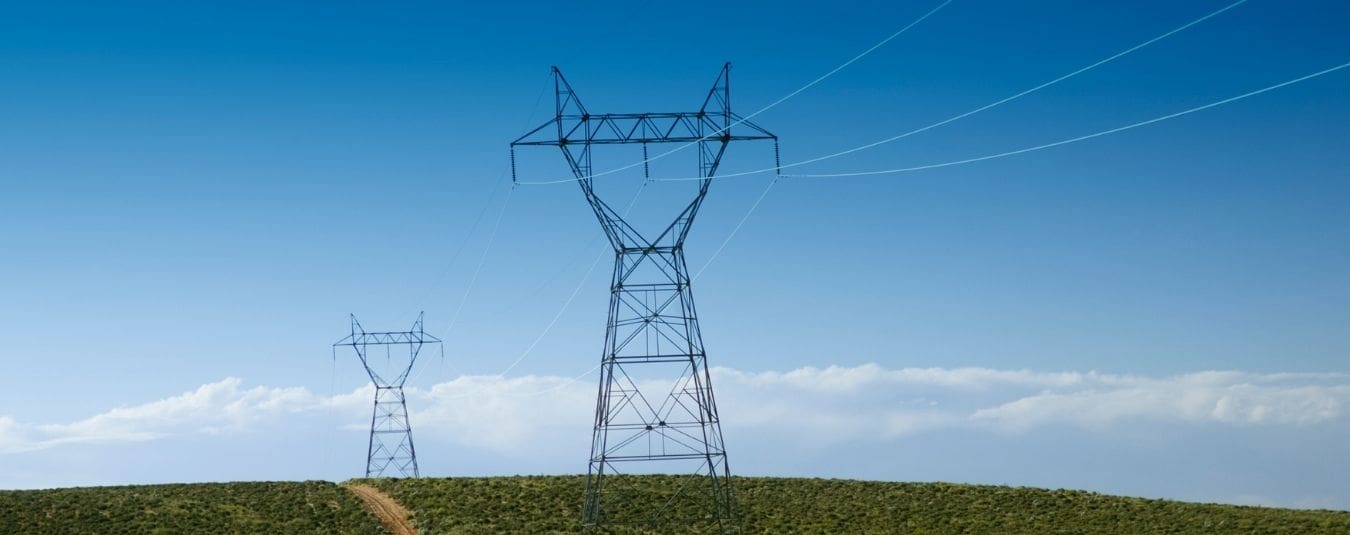
The smart electrical grids, or smart grids, represent an evolution from traditional grids toward a more interactive and automated system. They incorporate digital technologies to manage energy generation, transmission, and distribution more efficiently and in a way that is more responsive to demand. As promoted by Spanish Electricity Grid and they sit Committed to smart energy.
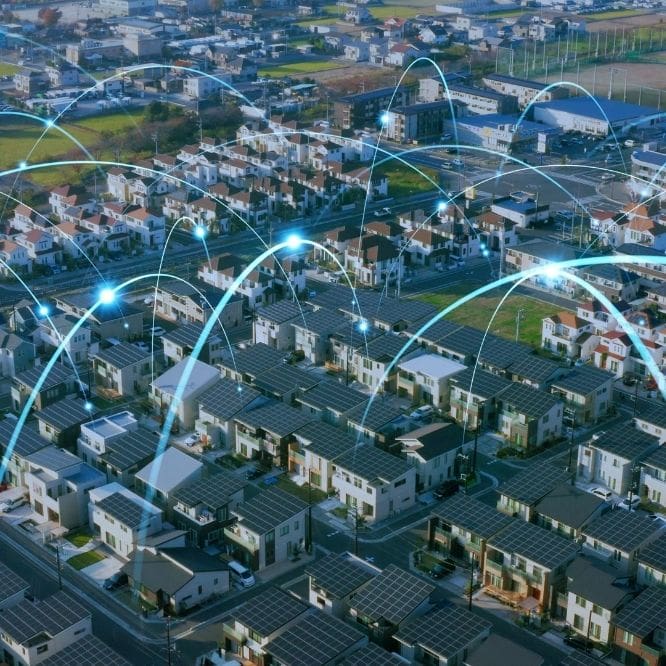
Unlike conventional grids, smart grids allow for the bidirectional flow of energy and information. This enables users, for example, not only to consume energy but also to generate it and feed it back into the grid, as is the case with residential solar power. This bidirectionality makes a crucial difference in the current energy transition.
Key Features of Smart Grids
Smart grids are characterized by several key features: real-time monitoring, process automation, adaptability to demand, and the ability to integrate distributed energy sources. These features make it possible to detect and correct faults, adjust supply to actual needs, and reduce energy losses.
Another notable feature is its user-centered approach. Thanks to devices such as smart meters, consumers have access to detailed information about their energy consumption, which encourages more sustainable and efficient habits. In addition, the use of predictive algorithms makes it possible to anticipate peaks in demand and prevent the power grid from crashing.
One smart electrical grids It is characterized by a set of advanced features that provide significant benefits to the electrical system. Among these, the following stand out:
- Ability to monitor energy consumption in real time.
- Automatic integration of renewable energy sources.
- Active response to user demand.
- Automatic fault detection and service restoration.
- Decentralized supply management and distributed generation.
- Two-way communication between consumers, suppliers, and operators.
These features enable a significant improvement in service quality, a reduction in energy losses, and a system that is more resilient to incidents.
Technologies Used in the Smart Grid
The smart electrical grids They incorporate various technologies that work in a coordinated manner. These include: distributed sensors and actuators, SCADA systems, low-latency data communications, artificial intelligence applied to network management, and cybersecurity tools to protect information flows.
The digitization of the electrical system also relies on IoT technologies to capture real-time data, as well as on big data platforms and advanced analytics to process that information and take action based on it. Interoperability between devices and systems is essential to ensuring smooth and secure operation.
This also implies a more effective management of Smart City.
The development of the smart electrical grids It depends on a technological ecosystem that enables data analysis, process automation, and dynamic interaction among the various stakeholders. The main technologies and their implications are:
- Smart Meters: They allow for real-time measurement of consumption and the detection of patterns or anomalies.
- IoT Sensors: They collect data on the status of the network and the environment (temperature, load, voltage, etc.). More information here.
- SCADA Systems: They centrally manage network monitoring and control.
- Big Data and Advanced Analytics: They enable predictive analytics and resource optimization.
- Communication networks (5G, fiber optics): They ensure the rapid and secure flow of information between nodes.
- Energy Storage: batteries that help balance production and consumption.
- Artificial Intelligence: automates decisions and optimizes network performance.
These technologies work together to ensure a more efficient and flexible electricity supply that is prepared for the challenges of the future.
The Role of Smart Meters in Energy Efficiency
One of the most visible elements of a smart grid for consumers is the smart meters. These devices allow for continuous, remote measurement of electricity consumption, eliminating the need for manual meter readings and facilitating hourly billing.
In addition, these devices provide users with information about their consumption patterns, allowing them to make more informed decisions to reduce energy costs. For electric utilities, Smart meters provide valuable data for dynamic grid management, identify power supply quality issues, and better plan infrastructure.
Optimizing Energy Consumption in Modern Networks
Smart grids enable the implementation of advanced demand-side management strategies, automatically adjusting the consumption of specific users or sectors based on load conditions, the availability of renewable generation, or dynamic rates.
Furthermore, thanks to data analysis and distributed control, inefficiencies and technical losses can be detected in real time. This facilitates strategic decision-making for both grid operators and large industrial consumers. The result is optimized energy consumption that benefits both the system and the environment.
Integration of Renewable Energy into Electric Grids
One of the biggest challenges facing renewable energy—its variability and intermittency—is partially addressed by the smart electrical grids. These enable real-time grid balancing by managing the feed-in of solar, wind, or hydroelectric power without compromising the system's stability. As advocated and implemented by The Association of Renewable Energy Companies (APPA).
The ability to adapt to distributed generation sources makes it possible for small self-consumption installations, such as rooftop solar systems, to be actively integrated into the power grid. This not only diversifies energy generation, but also empowers citizens as prosumers (producers + consumers) and accelerates the transition toward a more decentralized and sustainable energy model.
Some of the main renewable energy sources involved are:
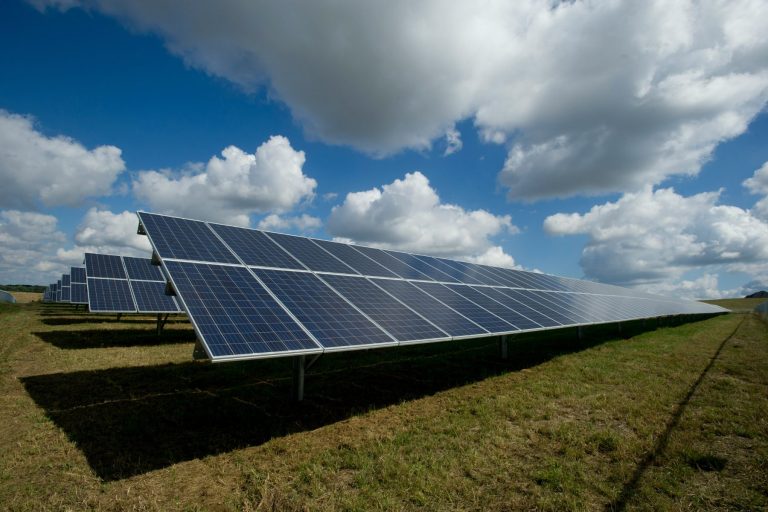
- Photovoltaic Solar Energy: enables distributed generation in homes and businesses.
- Wind Energy: Both land-based and marine operations require dynamic adaptation of the network.
- Hydroelectric Power: integrates energy storage and flow regulation.
- Biomass: provides continuity and stability to the system through flexible power generation.
- Geothermal: Although less common, it provides a steady source of energy.
Each of these sources provides data on production, yield, and weather forecasts, which are managed by the smart grid to optimize the balance between supply and demand.
Technical and Economic Challenges of Implementation
Despite its advantages, the implementation of smart electrical grids faces significant challenges. On a technical level, this requires a major modernization of existing infrastructure, compatibility between technologies from different manufacturers, and highly reliable communications to prevent critical errors.
From an economic perspective, the initial investment in equipment, software, and training is high, which can slow down deployment, especially in regions with aging infrastructure. It is also essential to design business models and regulatory frameworks that promote the adoption of smart grids without penalizing consumers. The success of this transformation depends as much on technology as it does on political and social commitment.
Examples of Smart Grid Implementations
Many countries have launched pilot projects and large-scale deployments of smart grids. In Europe, for example, countries such as Spain, Italy, and Sweden have rolled out smart meters on a large scale. In the United States, initiatives such as the Smart Grid Investment Grant have made it possible to modernize entire networks in several states.
Initiatives are also being developed in Latin America and Asia in cities such as Santiago, São Paulo, and Singapore, combining renewable energy, electric mobility, and grid automation. These real-world examples demonstrate the technical feasibility of smart grids and serve as a benchmark for their global expansion.