
The engineering sector, just like anyone else, faces a constant evolution to adapt to the new needs that are emerging in society and in the workplace. Currently, this evolution is profoundly shaped by the Industry 4.0 and Digitalization of companies.
The digital age brings with it new tools, procedures, and methodologies calls to revolutionize the work environments of engineering firms and teams Technical professionals must always be ready to adapt and make the most of it In light of these developments, in this post, we’ll discuss five major challenges that engineering firms will face in the sector’s immediate future.
1. Integration into digital environments
We could say that integration into digital work environments is one of the most significant and sudden challenges facing engineering. Faced with the the significant benefits of digitization, companies that have traditionally been managed without digital tools are doomed to gradually disappear.
The biggest challenge facing companies in our industry is to achieve to seamlessly integrate technology into the workplace ecosystem of the company while maintaining its level of efficiency and, if possible, use this to optimize competitiveness and performance.
2. BIM Implementation
The need to implement BIM in companies in the engineering sector is becoming increasingly urgent, especially in those directly involved in construction, building, and the management of technically oriented projects. It is worth noting that the law already provides for the making it mandatory of the BIM methodology for public projects in European countries such as Spain, France, or Germany. And it's only a matter of time before it takes hold in Latin America as well, where we find that its use is still in its infancy.
However, The implementation of BIM in a company goes far beyond simply adopting a software solution. To be successful, this methodology must be implemented at all levels and should not rely solely on technology, but also on the behavior of work teams. It will therefore be necessary for all managers and employees to adapt based on a a detailed action plan with far-reaching reforms in the organization and in work environments, methods, and practices.
3. Development of Smart Infrastructure
Smart infrastructure is the future of construction. Incorporating the various information and communication technologies to improve energy efficiency, functionality, and comfort The construction of buildings, roads, water treatment plants, and energy infrastructure is a common occurrence.
But the development of smart infrastructure poses a major challenge for traditional companies, one they will only be able to meet if they have properly trained and experienced engineers and architects in new technologies applicable to construction. Only with an in-depth understanding of these tools and their capabilities will it be possible to design functional and efficient infrastructure.
4. Incorporating technological tools into work tasks
Beyond BIM, there are a number of technological tools whose use can offer significant opportunities to improve efficiency in projects. This is the case, for example, with the robots bricklayers, the sensors included in the smart infrastructure, the drones employees involved in land and infrastructure surveys or the 3D printers who are already building houses and bridges.
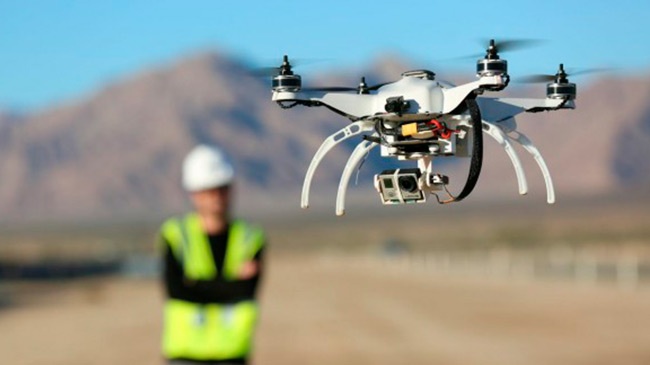
Technology has made our lives more efficient and comfortable in every way, and as engineers, we have every right to use it in our projects for that purpose. But, like any great right, this comes with a great responsibility to use it appropriately and, above all, to be “pushed to the limit” to realize its full potential.
5. Training of technology experts
As you can probably imagine, BIM, new technological tools, and infrastructure development Smart cities require professionals with the appropriate training and knowledge them. Given this scenario, companies can choose either to incorporate entry-level candidates with basic knowledge in new technologies, which should be expanded and tailored to the company's needs through specialized training, or adapt training for senior-level positions to the digital world, in which case the company's main challenge will be to establish a training plan suited to that purpose.
We've seen how, when facing any of the challenges mentioned, professional training is a key component. Don't miss the opportunity to give your team the chance to adapt their knowledge to this new era… the results will speak for themselves!