Land is limited, and solar energy requires a lot of it. For years, this has been viewed as a trade-off: either you grow crops, or you install solar panels. The agrovoltaics It suggests not having to choose between the two and doing both in the same setting. We'll explain how it works and what skills it requires.
What is agrivoltaics, and why is it gaining prominence in the energy transition?
The agrovoltaics (or agrivoltaics) combines agricultural or livestock production with photovoltaic power generation on the same plot of land. It doesn’t involve putting panels in one corner of the farm and cultivating the rest: the land is truly shared. It’s gaining traction because the energy transition requires a lot of land and the countryside, Income and Climate Resilience. In Spain, regarding financial aid, the Agricultural use should be the primary one and energy, which is secondary.
How an Agrovoltaic System Works
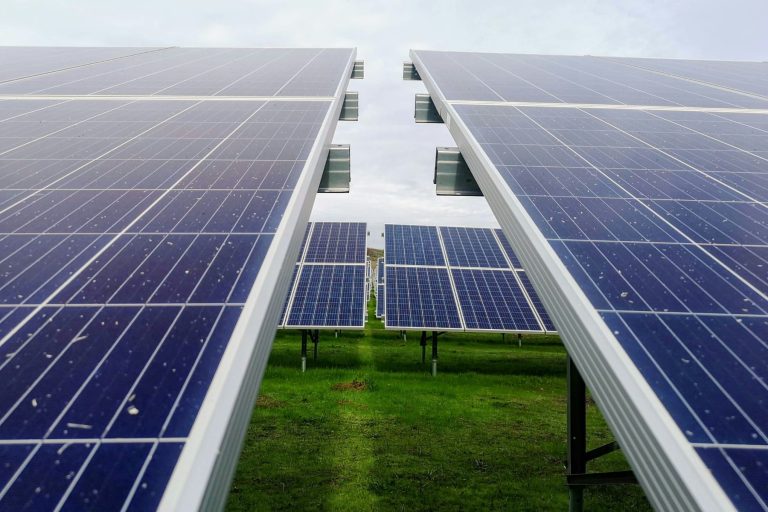
The panels are installed to let light in and allow the soil to be worked: mounted above the crop, in separate rows or vertically. The design adapts to the crop, not the other way around. Energy is fed into the grid as in any solar power plant, while the farmer continues his work. Partial shade also alters the microclimate and can reduce soil evaporation.
Design Models: Elevated, Interleaved, and Vertical Structures
There is no single design: each model distributes light, space, and machinery differently. Compare them based on your business needs.
Agrovoltaic Design Model Comparator
Choose your agricultural activity and decide what your priority is: protecting crop yields or maximizing energy. You'll see which model is the best fit.
A qualitative and general assessment based on general design principles. The actual choice depends on the specific crop, climate, machinery, and applicable regulations.
Structures Erected Above Crops
Panels on tall structures, with clearance for machinery and the crop underneath. They protect against excessive heat, but require more steel and, therefore, higher cost. The most frequently cited European standard is the German standard DIN SPEC 91434.
Panels placed between rows
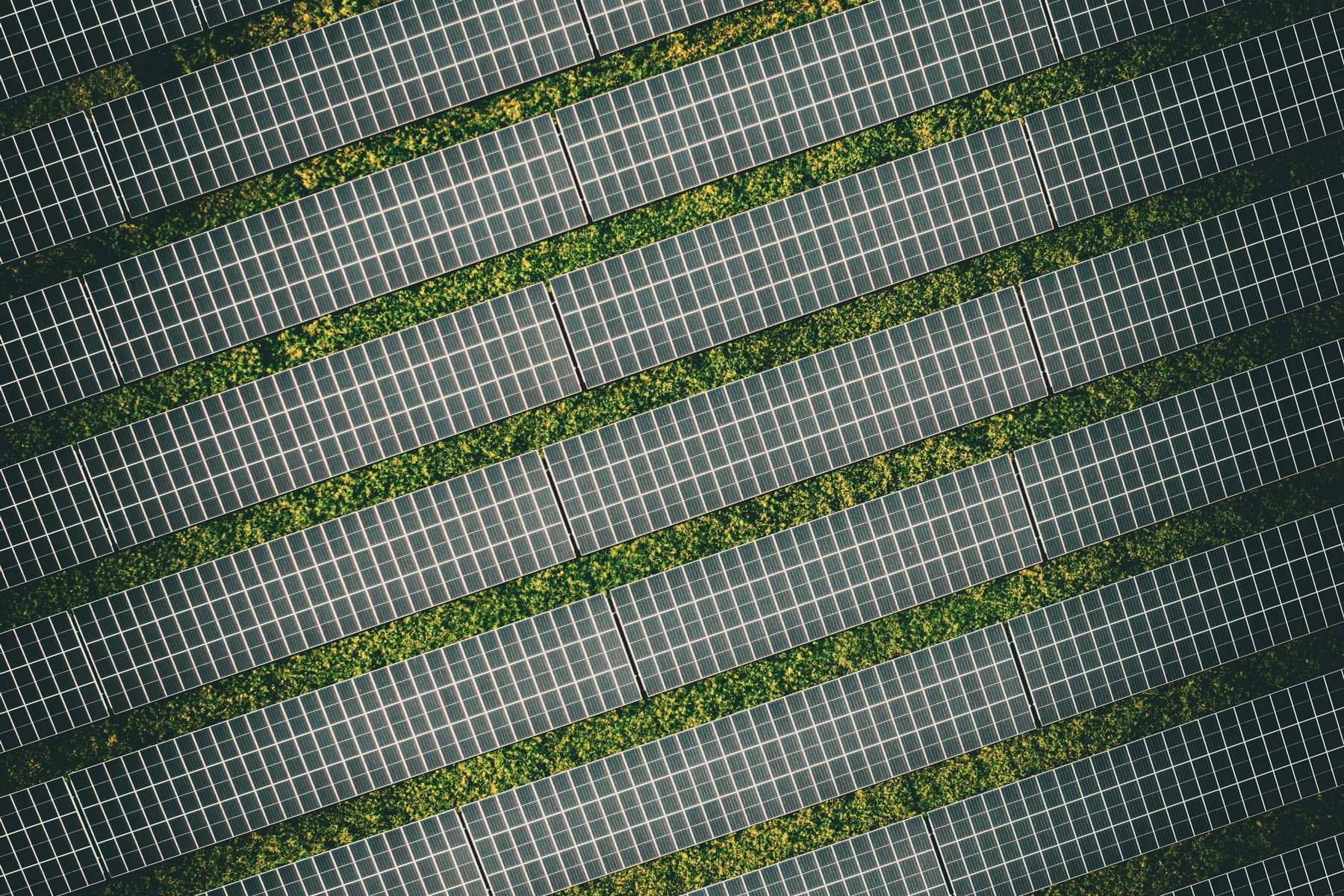
Rows of panels with farm rows among them. The structures are simpler, but the crop must be adapted to the width of the aisle and the shade cast by the rows during the day.
Vertical bifacial panels
Vertically mounted bifacial panels, with wide streets for machinery. They take up little land and generate the most energy in the morning and afternoon, although they tend to produce less energy per hectare. They are often suited to extensive crops such as grains.
Agrovoltaics and Livestock Farming (Grazing)
The grazing, especially sheep, is a simple approach: the livestock helps control the vegetation under the panels, and the facility maintains actual agricultural activity.
Which crops and regions are best suited for agrivoltaics?
Crops that are tolerant are better suited partial shade: vegetables, herbs, forage crops, legumes, and fruit trees, as well as grapevines in warm regions. When choosing a region, the following factors are taken into account: climate, water, and machinery. In Spain, there are pilot projects involving vineyards, vegetables, and herbs, although the results are still limited.
Benefits and Limitations: Production, Water, Profitability, and Community Acceptance
Among the benefits: diversified income and, depending on the crop, reduced water stress and water savings. Among the limits: Agricultural yields may decline, and researchers warn that there is no general pattern. To measure this, the LER (land equivalent ratio), which compares combined production with that of separate land uses: above 1, yields more per hectare. The following factors also play a role: social acceptance, which remains a barrier, and overall profitability. Do the math.
LER and Agrivoltaic Revenue Calculator
Calculate the LER (land equivalent ratio) for your plot and compare the revenue per hectare with that of purely agricultural use. If the ratio is greater than 1, you produce more per hectare than you would by separating the uses.
Result
The initial values are provided as an illustrative example: replace them with the values from your project. Formula: LER = relative agricultural yield + agrovoltaic power ÷ conventional power. This does not include investment, operating costs, leases, or subsidies.
Technical and Regulatory Challenges of Dual Land Use
The big challenge is the dual land use. In Spain, the CAP strategic plan recognizes agrivoltaic systems as potentially eligible areas starting with the 2026 crop year, if agriculture remains a priority. Doubts persist regarding Land Use Planning and Development, and each region sets its own criteria: Catalonia requires at least the 60% of the benchmark agricultural yield. Technically, it is necessary to balance electricity, water, machinery, and power generation in a single design, without getting in the way of farm work.
Agrovoltaics vs. Conventional Photovoltaics: Engineering and Cost Differences
Agrovoltaics is a photovoltaic system driven by agriculture: taller or more widely spaced structures, less power per hectare, and more preliminary studies of light and water. In return, supports agricultural activity, it makes it easier for the project to be accepted and opens up a source of income for farmers. It involves more complex engineering: it requires coordinating electrical and agricultural systems.
Technical Specifications Required for an Agrovoltaic Project
Photovoltaic Design Engineers
They design the plant and the structure and create the light simulation about the crop.
Agricultural engineers and agritech specialists
They define Crops, Irrigation, and Management are shade-tolerant and measure the impact on yield.
Plant Operations and Maintenance Technicians
They operate and maintain the plant without interfering with the agricultural work, coordinating inspections with the crop schedule.
Energy and Land Use Project Managers
Coordinate permits, farmers, landowners, and the local community, and they ensure the project's social acceptance.
How to Train Teams in the Design and Maintenance of Photovoltaic Plants
Dual-use applications require technicians who are experts in both electrical and agricultural fields. At Structuralia, you'll find the Photovoltaic Farm Maintenance Course and the University Microcredential in Photovoltaic Plant Design, designed for professionals who design and operate these facilities.
Frequently Asked Questions About Agrivoltaics
It is the a combination of agriculture or livestock farming and solar power generation on the same plot of land. It differs from a conventional development in that agricultural use remains the primary purpose and dictates the design.
Yes, depending on the design. With panels raised, staggered, or vertical Vegetables, fruit trees, grapevines, forage crops, and grains are grown here, and the land is also used for grazing. Since each crop tolerates shade differently, it is best to choose the model based on the specific crop.
It depends on the crop, the climate, and the design. There is no general pattern: Some crops tolerate shade well, while others experience a drop in yield. That is why some regions set minimum agricultural yield standards.
It could be, if the design balances agricultural and energy revenues, but it requires more investment and more research than a conventional plant. Before you decide, run the numbers through the calculator.