The industrial solar energy It has gone from being a long-term strategic investment to a profitable short-term financial decision. Industrial companies that install photovoltaic systems for self-consumption reduce their energy bills, protect themselves from electricity price volatility, and make progress toward their decarbonization goals all at the same time. The problem is that there is a shortage of technical talent in the market to design, install, and maintain these systems.
What is an industrial photovoltaic system, and how does it differ from a residential one?
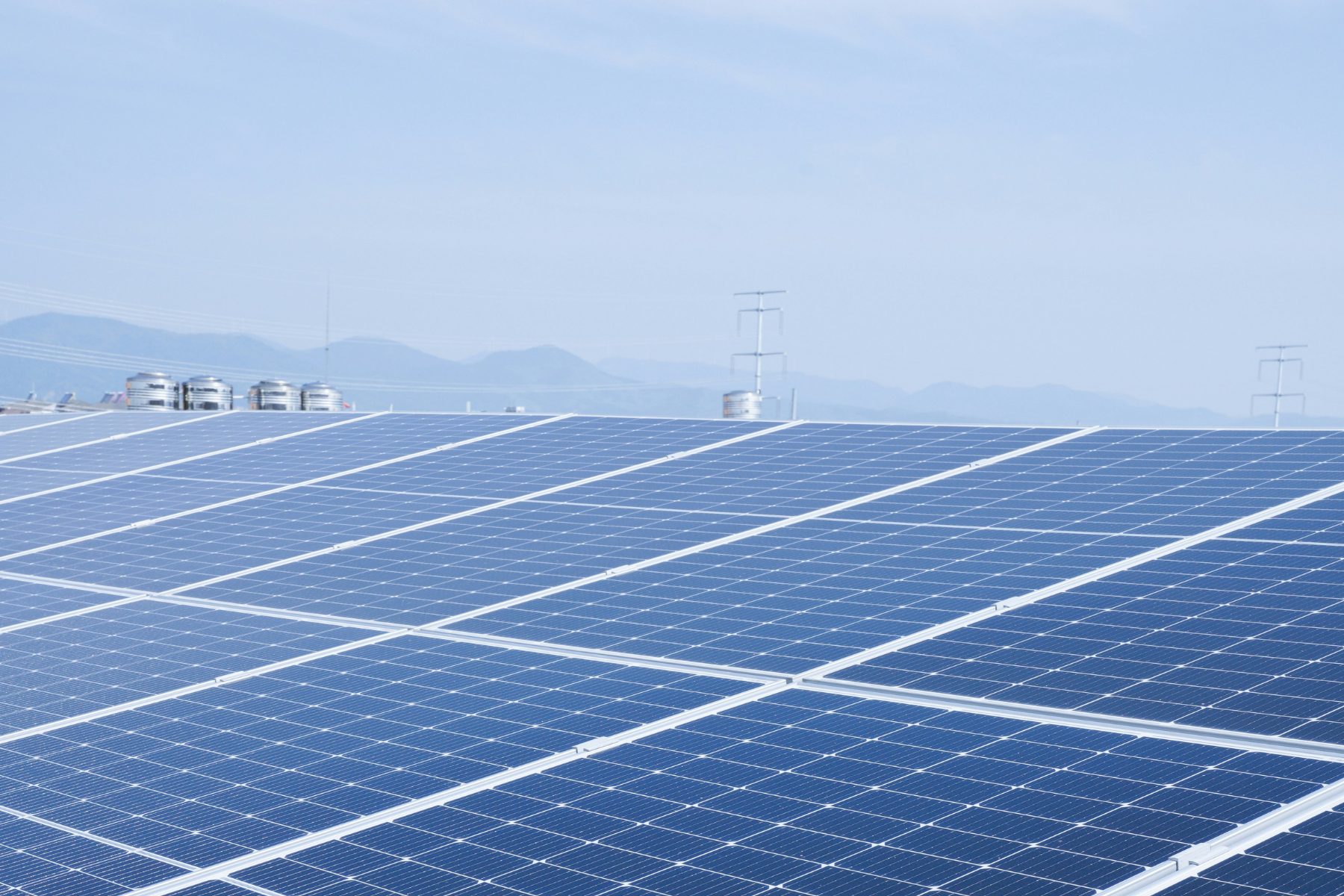
The industrial photovoltaic system It operates on a scale, with a level of technical complexity, and within a regulatory framework that are radically different from those of the residential sector. The power ratings are higher (ranging from tens of kW to several MW), grid connection involves low- or medium-voltage systems with specific technical requirements, and system sizing must be optimized for each company’s industrial consumption profile. An industrial system that is poorly sized may never pay for itself; a well-designed one does so in 5–8 years.
Why Industrial Companies Are Embracing Solar Self-Consumption
Reduced energy costs and protection against electricity price volatility
The Solar Energy for Businesses It allows companies to lock in a portion of their energy costs for 25 years, regardless of how the electricity market price fluctuates. Companies with high daytime consumption benefit the most from industrial photovoltaic self-consumption, as they can meet a significant portion of their demand with their own generation.
Achieving Sustainability and Decarbonization Goals
The corporate carbon footprint It includes Scope 2 emissions, which are emissions associated with electricity consumption. On-site solar power generation directly reduces this metric. For companies subject to CSRD reporting, photovoltaic self-consumption is one of the easiest measures to quantify and communicate in the report by sustainability.
How an Industrial Photovoltaic System Works, Step by Step
Sizing and Feasibility Study
The starting point is an analysis of the company's consumption profile: when it consumes electricity, how much it consumes, and the structure of its electricity rate plan. Optimal sizing is not the largest possible system, but rather the one that maximizes self-consumption and minimizes the time it takes to recoup the investment.
Installation and Commissioning
The installation requires specific electrical engineering work for connection to the company's power grid, protection systems, and regulatory compliance. Commissioning includes performance testing and connection to the monitoring system.
Monitoring and Maintenance
The maintenance of photovoltaic systems Industrial services include cleaning panels, inspecting inverters and connections, and tracking performance using remote monitoring platforms. A well-maintained system retains its performance throughout its 25- to 30-year service life.
What technical skills are required to design, install, and maintain these systems?
The photovoltaic systems engineer This is the core role: designing the system, preparing the technical proposal, and handling the permitting process. The O&M technician operates and maintains the facility once it is in production. The energy efficiency manager integrates the photovoltaic system into the company’s overall energy strategy, including demand management and storage. All three profiles share the characteristics of market scarcity and growing demand.
The Talent Gap in the Industrial Solar Energy Sector: Why These Professionals Are in Short Supply
The market for industrial photovoltaic installations has grown faster than the training of professionals. Many installers are trained in residential photovoltaic systems but not in the technical, regulatory, and engineering requirements specific to industrial-scale installations. The gap is not one of quantity but of specialization.
What an engineer needs to know to specialize in industrial photovoltaic systems
Specialization in industrial photovoltaics requires expertise in sizing self-consumption systems with and without storage, knowledge of grid connection regulations (Royal Decree 244/2019 and its updates), experience in low- and medium-voltage electrical engineering, and the ability to conduct economic and financial analyses of energy investment projects. It's not just electrical engineering: it's electrical engineering plus knowledge of the energy market plus the ability to justify the investment to management.
How Structuralia Is Training Industry Professionals in Industrial Solar Energy
Structuralia trains engineers and technicians in the design, calculation, and management of industrial photovoltaic systems, with programs that cover everything from sizing to permitting and maintenance. The instructors come from companies that install and develop solar energy projects.
Trends in Industrial Photovoltaics Looking Ahead to 2030
The integration of the storage Industrial photovoltaics will become the standard before 2030. Batteries make it possible to shift the energy generated during the day to peak-price hours, improving the return on investment for facilities with evening or nighttime consumption. Agrovoltaics—which combines solar power generation with agricultural land use—and solar rooftops in industrial parks with energy community agreements are the two fastest-growing sectors in Spain for the coming years.
Industrial solar power is not an option for companies that want to control their energy costs and meet their sustainability commitments: It is one of the investment options with the best returns available on the market today. Does your company have the technical expertise to get the most out of that investment?