The water desalination and the efficient management of water resources have become a strategic priority for Spain and much of the European Mediterranean region. Water scarcity in Spain is not a future threat: it is a present reality that is accelerating investment in water infrastructure and creating a demand for specialized technical talent that the market is not meeting quickly enough.
Water Scarcity as a Strategic Challenge for Businesses and Infrastructure
Spain is one of the European countries with the highest levels of water stress. Climate projections indicate a sustained decline in precipitation across much of the country, particularly in the Mediterranean arc and the southeastern part of the peninsula. Companies that manage water infrastructure, irrigation systems, urban water supply, or water-dependent industrial processes are at the heart of this challenge.
The answer is not just a technological one: it requires technical professionals capable of designing, operating, and optimizing increasingly complex systems within a context of limited resources.
What Is Desalination and What Role Does It Play in Water Management in Spain?
The water desalination It is the process of removing salts and minerals from seawater or brackish water to make it suitable for human consumption, irrigation, or industrial use. Spain has one of the largest desalination capacities in Europe, with more than 700 desalination plants in operation, located mainly along the Mediterranean coast, the Canary Islands, and the Balearic Islands.
Desalination is not the only solution, but it is one of the most important ones for ensuring water supply in areas with a structural deficit. Its main limitation is the energy consumption, This has made the energy efficiency of desalination plants one of the sector's main areas of innovation.
Key Technologies in Water Treatment and Reuse
Reverse osmosis
The reverse osmosis It is the leading technology in desalination. It passes water through pressure through semipermeable membranes that retain salts. Its efficiency has improved dramatically in recent years thanks to the development of new membranes and energy recovery systems. Engineers specializing in reverse osmosis are among the most in-demand professionals in the water sector.
Reuse of Reclaimed Water
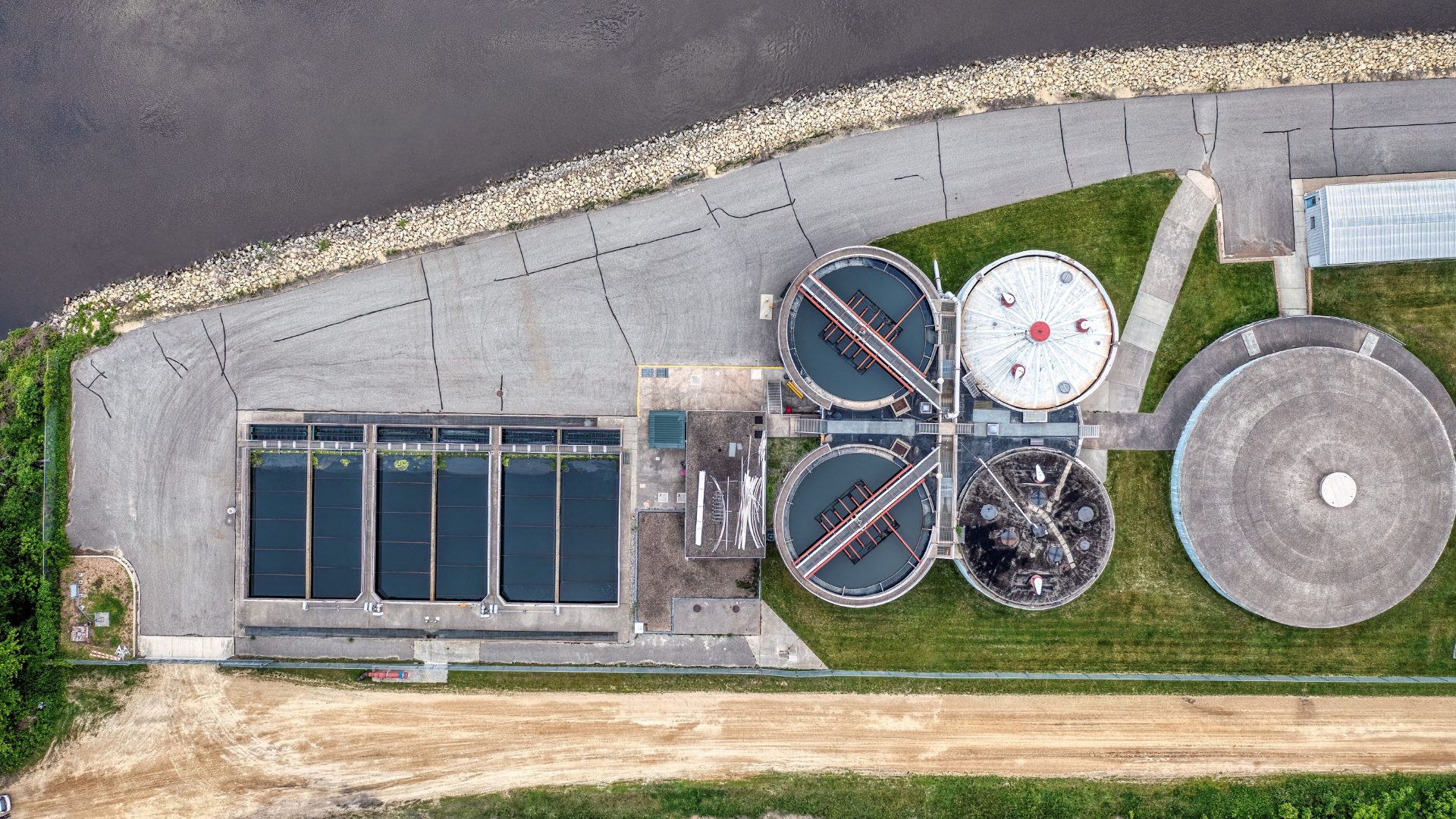
The Wastewater Treatment and Reuse It is the second major lever for addressing water scarcity. Spain has leading European regulations in this area and a network of wastewater treatment and reuse facilities that requires professionals capable of operating tertiary and advanced treatment systems.
Digitization of Distribution Networks (Smart Water)
The smart distribution networks They incorporate sensors, telemetry, and data analysis to detect leaks, optimize pressure, and manage consumption in real time. The digitization of the water cycle is creating demand for professionals with skills in both hydraulic engineering and data technology that the market has not yet reached sufficient volume.
Technical Roles in Demand for Water Management Projects
The most sought-after profiles in the industry combine engineering with a specific area of expertise. The hydraulic engineer Experience in the design and operation of treatment plants is the most in-demand core skill set. In addition to this, there is a need for specialists in membranes and reverse osmosis processes, desalination plant operations technicians, automation and water process control engineers, specialists in smart distribution networks, and experts in environmental impact assessments for water infrastructure.
The Desalination and Employment Profiles In this sector, they also have a characteristic that makes them especially valuable: the combination of process knowledge and energy management capabilities, a dual skill set that very few training programs address in an integrated manner.
The Talent Gap in the Water Sector
The training of engineers specializing in water management and desalination has not kept pace with investment in infrastructure. Major construction companies and operators in the sector are competing for a very limited talent pool, And the problem is worsening because many senior professionals are nearing retirement without a clear successor.
In addition, the sector’s digital transformation requires professionals with skills that are not currently available on the market: water engineers with expertise in data analysis, predictive modeling, and the management of real-time monitoring platforms.
Business Opportunities for Engineering Firms in Water Infrastructure
Business opportunities in water infrastructure fall into three categories: the construction and commissioning of new desalination and water reuse plants, the modernization and digitization of existing distribution networks, and the long-term management and operation of infrastructure through concession or service contracts. All three areas require specialized technical expertise and are supported by significant public investment, both at the national level and through European funding via the Next Generation funds.
Regulatory Framework and Funding for Water and Desalination Projects
The water sector in Spain is governed by the European Water Framework Directive, which has been transposed into Spanish law; it establishes objectives for the good ecological status of water bodies and promotes the efficient use of water resources. The Next Generation EU funds have identified the digitization and improvement of water infrastructure as a priority area for investment, which is sparking a wave of projects with secured funding.
How to Train Technical Teams in Efficient Water Management
Training in water management cannot be limited to treatment processes. It must integrate energy efficiency, environmental regulations, network digitization, and concession management. Structuralia offers programs in the fields of water infrastructure and the environment, with faculty members who are currently active in the industry, including operators of desalination plants and companies involved in integrated water cycle management.
Trends in Water Management and Desalination for the Coming Years
Integrating Desalination with Renewable Energy Reducing the energy costs of the process is the most significant trend in the sector in the short term. Solar and wind-powered desalination is already a reality in pilot projects that are poised to become the standard. Artificial intelligence applied to demand forecasting and distribution network optimization, along with the reuse of water on an industrial scale as an alternative to municipal water, will complete the sector’s transformation in the coming years.
Water management is one of the greatest engineering challenges of the 21st century. Technical companies that develop the necessary skills to operate in this sector now will have access to one of the markets with the most sustained growth over the next decade. Does your company have the technical expertise to be part of it?