Originally published on May 5, 2024; updated on September 4, 2025.
The ruins of Inca architecture are one of the wonders we still have today that serve as a model for architects and urban planners. Just like the Aztec architecture and the Latin American colonial architecture, are part of a historical legacy that transformed the way people built and lived on the continent.
However, in this article we will focus on exploring Inca architecture: its context, characteristics, most representative monuments, and the influence it continues to have on contemporary architecture.
Inca Architecture and Its Relevance Today
In the vast panorama of architectural history, few civilizations shine with such magnificence as Inca architecture, a millennia-old legacy, rooted in the heights of the Andes, captivates with its technical ingenuity and its deep connection to nature and spirituality. Exploring Inca architecture is like immersing oneself in a world where carved stones tell stories of advanced engineering and a unique worldview. Understanding these ancient forms is vital for contemporary architects, as it provides us with an enriching perspective that transcends time, expanding our repertoire of references and allowing us to gain a fuller understanding of our place in the history of construction.
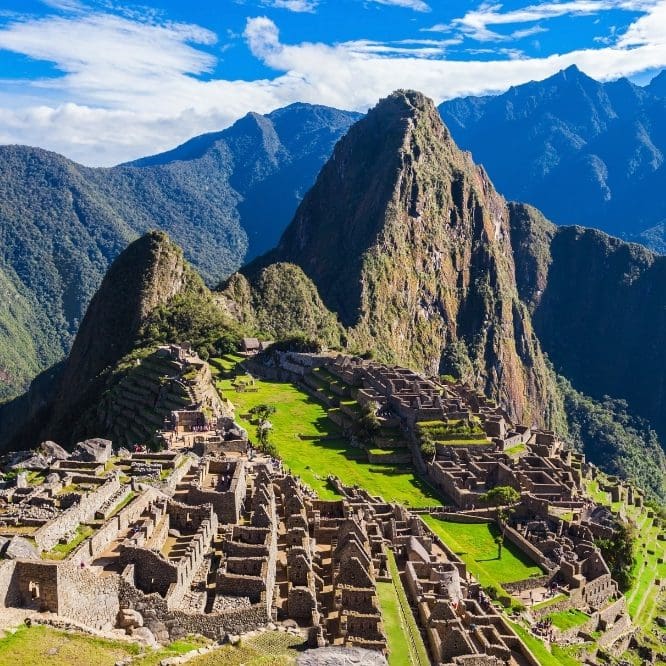
Photograph of Machu Picchu, the city most representative of Inca architecture. Wikipedia
Historical Context of Inca Architecture
Inca architecture reflected the grandeur of a civilization that flourished in the Andes between the 15th and 16th centuries. Which civilization built Machu Picchu? The answer is clear: it was the Incas, the founders of a vast empire known as Tahuantinsuyo, which expanded thanks to its political organization and its deep connection to the earth and the cosmos.
The Inca monuments Not only were they expressions of power, but they also served practical and spiritual purposes. From defensive fortresses to advanced agricultural systems, each structure addressed a specific need while also conveying the sacred bond that this civilization maintained with nature.
This connection between architecture, urban planning, and worldview is not unique to the Andes; in the Mediterranean, the City of Pompeii It is yet another exceptional example of how buildings reflected both social organization and daily life.
What kind of architecture did the Incas have?
The Inca architecture It was characterized by its monumental, functional, and symbolic nature. Its main manifestations were:
- Inca ceremonial centers and temples, such as the Coricancha in Cusco or the temples of Machu Picchu, dedicated to the worship of the sun and Andean deities.
- Fortresses and defensive complexes, such as Sacsayhuamán y Ollantaytambo.
- Agricultural and Water Infrastructure, with terraces, aqueducts, and canals.
- Suspension Bridges and Trails, which comprised the entire empire.
What Were Inca Structures Made Of?
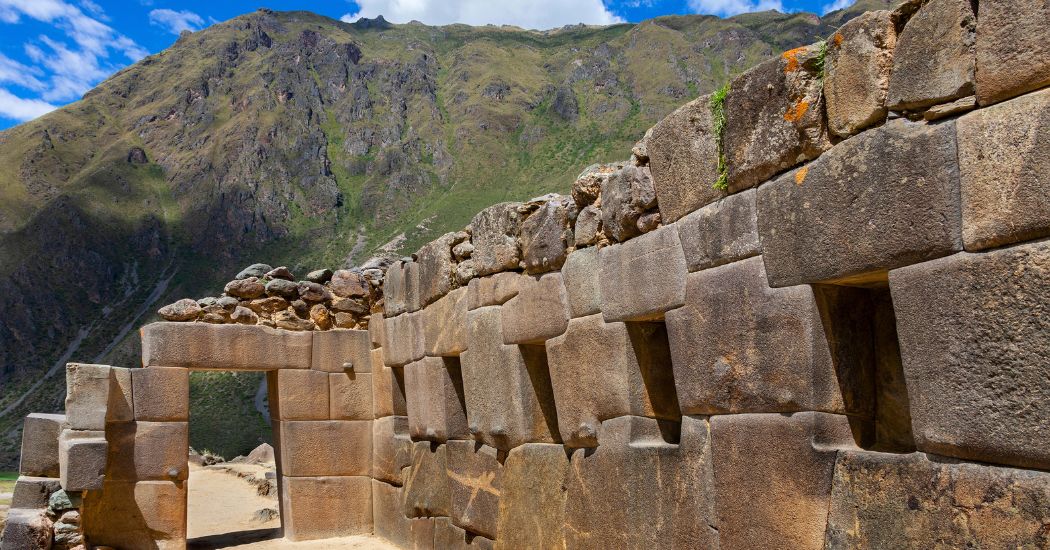
The quintessential material was the stone, carved with great precision from blocks fitted together without mortar (technique ashlar). This system provided resistance against earthquakes.
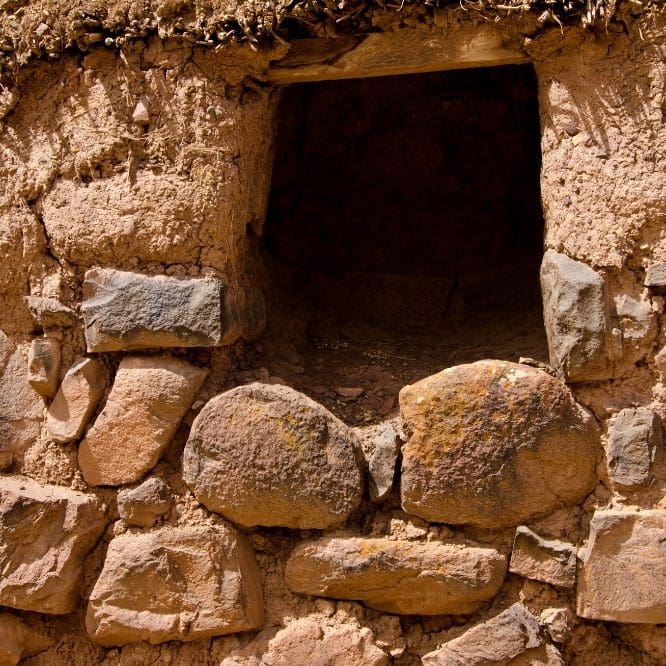
Other materials used, depending on the type of building, included:
- Granite for temples and fortresses.
- Adobe, clay, and wood in simpler structures.
- Drainage System and Stone Channels for efficient water management.
The durability of the Inca monuments demonstrates the technical mastery and ingenuity of this civilization.
Key Features of Inca Architecture
Inca architecture is distinguished by a number of characteristics that reflect advanced engineering and a deep spiritual connection of this civilization and its environment:
- A masterful use of stone, assembled with millimeter-level precision.
- Adaptation to the mountainous terrain through terraces and paths.
- Advanced Urban Planning, incorporating ceremonial, residential, and agricultural areas.
- Respect for and harmony with nature.
- Structures designed to withstand the test of time and natural phenomena.
Landmarks of Inca Architecture
While Inca architecture is full of impressive structures, some stand out for their magnificence and cultural significance. One of the most iconic is the complex of Machu Picchu, a citadel perched high in the Andes that served as a royal residence and ceremonial center. Its imposing stone structures, agricultural terraces, and strategic location amid a spectacular landscape make it Machu Picchu an enduring symbol of Inca architectural genius.
Another notable example is Sacsayhuamán, an impressive fortress located near the city of Cusco. Built with enormous blocks of hewn stone, this masterpiece of Inca engineering It is notable for its megalithic walls, which fit together perfectly without the use of mortar. In addition to its defensive function, Sacsayhuamán It was an important ceremonial center where religious rituals and festivals significant to Inca society were held. These and other examples show the grandeur and diversity of Inca architecture, which continues to amaze the world with its ingenuity and beauty.
Principles of Inca architecture that can enrich our current understanding of architecture
Inca architecture offers a rich source of values and principles that can inspire and enrich contemporary architecture. One of the highlights is a deep respect for the natural environment and harmonious integration with the surrounding landscape. The Incas demonstrated an exceptional ability to adapt their buildings to the mountainous terrain of the Andes, using techniques that minimized the environmental impact and maximized sustainability. This holistic approach to design can serve as a powerful reminder to modern architects of the importance of take the environment into account at every stage of the design and construction process.
Another fundamental aspect of Inca architecture is the meticulous attention to detail and the pursuit of technical excellence. From the precision with which they carved stone to their skill in building structures that could withstand the ravages of time and nature, the Incas demonstrated an unwavering commitment to quality and durability. This focus on craftsmanship and durability can inspire contemporary architects to strive for perfection in every aspect of their projects and to prioritize longevity and functionality over fleeting architectural trends.
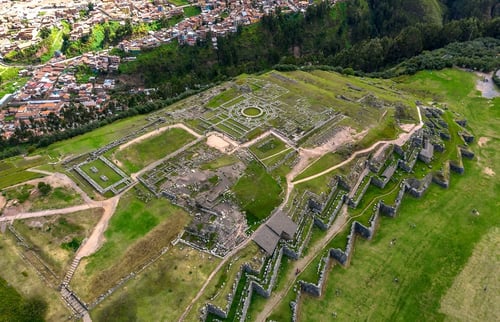
Aerial photo of Sacsayhuamán, another of the well-preserved Inca ruins. Inca Rail Blog
In conclusion, Inca architecture offers us much more than mere stone structures; it teaches us profound lessons about the relationship between humans and their environment, the importance of technical excellence, and the pursuit of sustainability in our projects. By exploring this ancestral legacy, contemporary architects can find inspiration and guidance to create spaces that are not only visually striking but also ethically and environmentally responsible.
As professionals in the field of architecture, it is crucial that we continue to learn and grow, and what better way to do so than through continuing education. That is why we invite you to learn more about online education and explore the catalog of architecture courses and master's programs offered by Structuralia, where they can expand their knowledge and skills to continue building a brighter and more sustainable future for everyone.