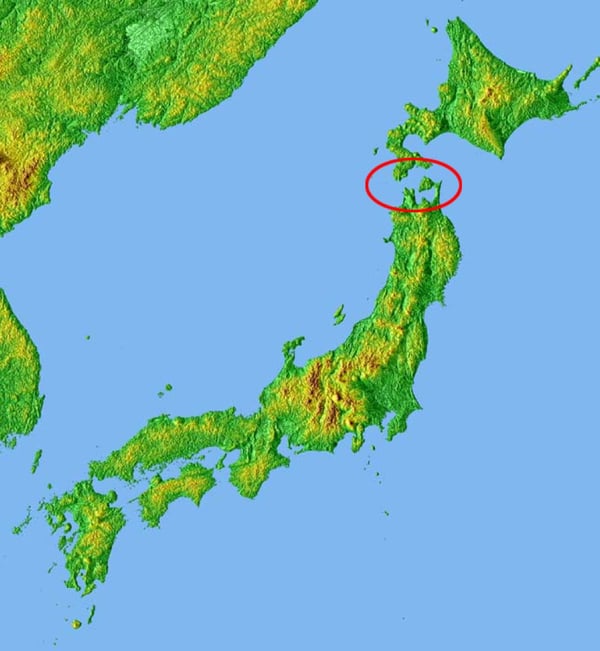
The Seikan Railway Tunnel crosses the Tsugaru Strait in Japan and connects the islands of Hokkaido and Honshu. It is approximately 53.9 kilometers long and is the longest railway tunnel in the world—until the Gotthard Base Tunnel opens in a few years.
It features two stations: Tappi-Kaitei Station and Yoshioka-Kaitei Station, which serve as escape routes in the event of a fire or other emergency could endanger human lives. The tunnel is located built at a depth of more than 240 meters below sea level.
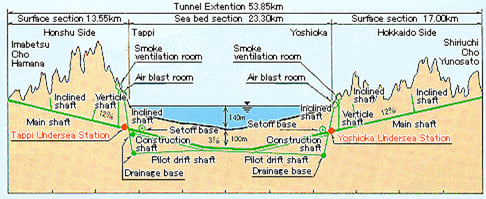
This marvel of Japanese civil engineering has a a length of nearly 54 kilometers and features a 23.5-kilometer underwater section. The decision to build this tunnel was made in 1954, when a typhoon sank five ferries, claiming the lives of thousands of people who were trying to travel from one island to another.
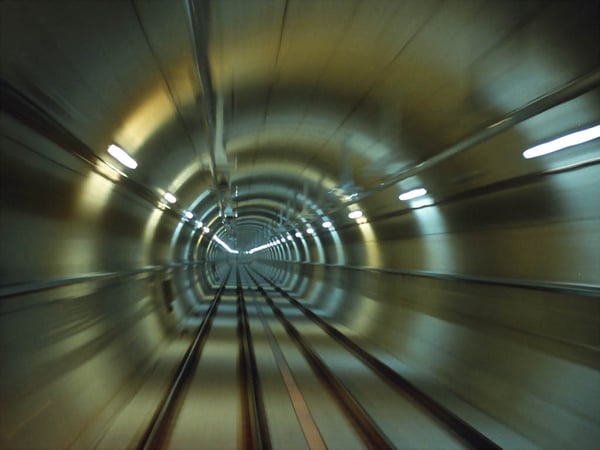
The Seikan Tunnel has been in operation since 1988. Its construction, which took lasting more than two decades, cost 3.6 billion dollars, which is highly complex due to the lack of uniformity in the seabed of the strait in an area of high seismic activity.
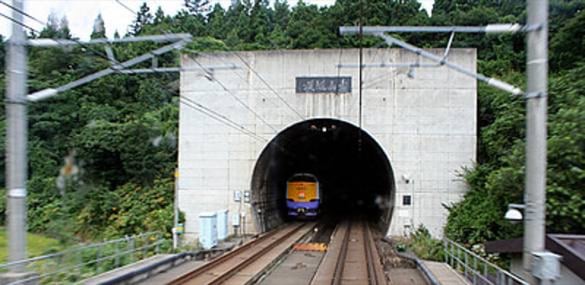
Currently, the tunnel remains in operation, although flying has become a more accessible option for people who choose to travel from one island to another.