What books on structures Have you heard of it? At Structuralia, we're sharing our Top 6 Recommendations.
It’s normal for us, as engineers and architects in the field, to stay very much in line with our training, and as part of our daily work routine, we may begin to develop a very mechanical way of working; and perhaps we end up limiting ourselves to our usual sources of reference. For this reason, It's always nice to have some new material to update our bibliography As a reference, therefore, this time we'll recommend 6 Books on Structures You Might Not Know About.
The purpose of this post is not to discuss the classic technical textbooks used in the program—not the ones for learning structural analysis, nor those on calculation software; but rather a range of A variety of recommendations offering different perspectives, innovative approaches, and the occasional piece of advice on how to navigate the profession. In this vein, the recommendations from Structuralia are:
1. Structures, or Why Things Don't Fall, E. Gordon
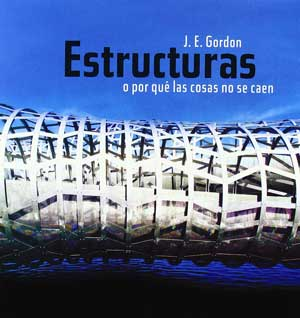
It is a widely recommended book—even on a global scale—that aims to challenge general concepts about structures, with the goal of bringing to light just how fascinating structural design really is; it's a book to enjoy as a light read, and to return to every so often.
2. Structural Dynamics, Anil K. Chopra
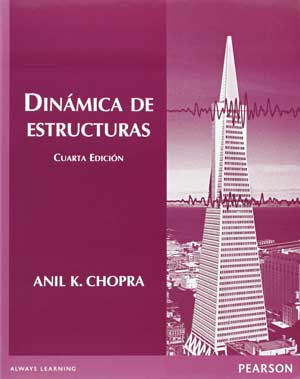
If you're interested in dynamic calculus or want to get started in this field, this is one of the best options you'll find. It does a great job of introducing the topic of dynamics, and It's a great way to understand seismic analysis in a very simple way; it also helps explain how the current seismic design regulations came to be formulated.
3. The Purpose and Nature of Structural Types, Eduardo Torroja
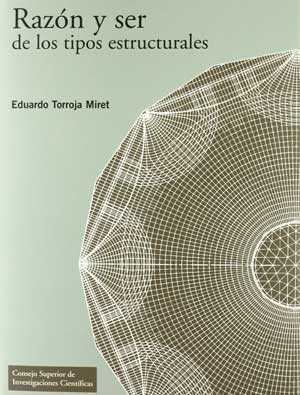
Eduardo Torroja is one of Spain’s most distinguished master engineers, and he has left us this gem that is very difficult to categorize. It is not a typical textbook on structural analysis; yet it still manages to address this topic with a deeply educational approach and offers a glimpse into Torroja's approach to structural design and structural types.
4. Structure as Architecture: Form, Details, and Symbolism, Andrew Charleson
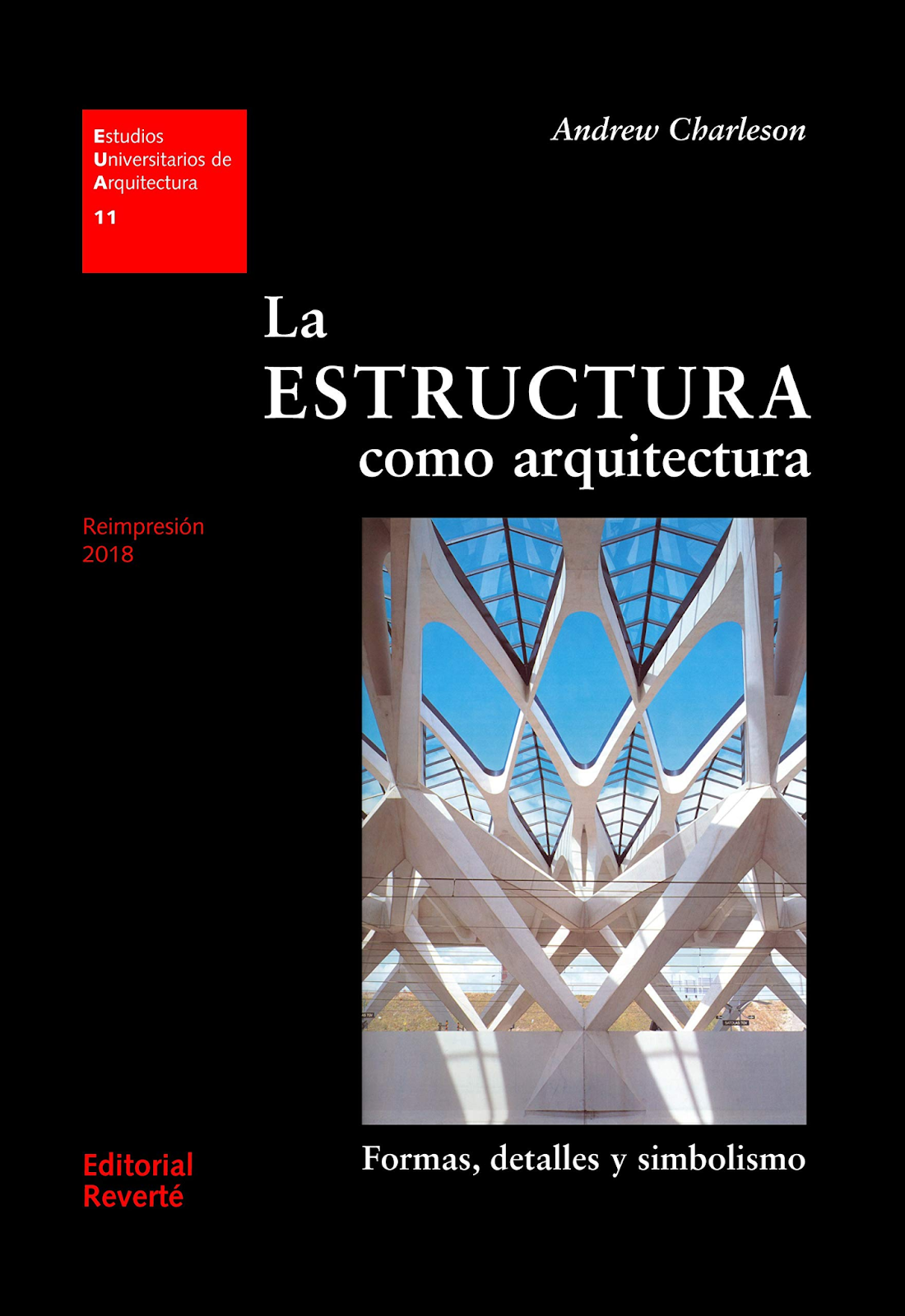
This particular case may be of greater interest to architects, as it strives to address the structure beyond a purely technical and functional perspective, offering the reader a more architectural, spatial, and even symbolic view of the structures. It is highly recommended for engineers who want to broaden their perspective on the world of architecture.
5. Theory, History, and Restoration of Masonry Structures,Jacques Heyman
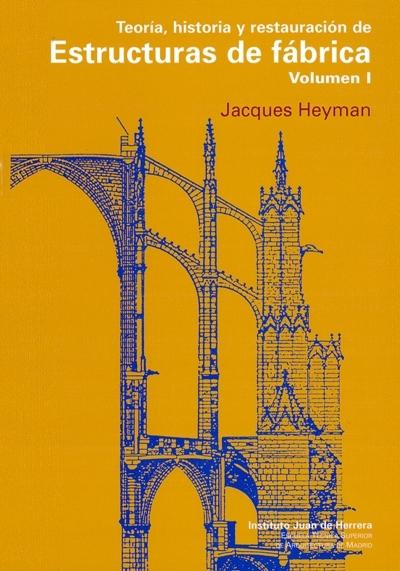
It's a great recommendation for history buffs, and the evolution of structures over time and across cultures. It brings together several of the author’s essays on various historical architectural styles, not only in brick and stone but also in wood. It provides excellent examples of the logic behind Gothic cathedrals—how they were able to support themselves with flying buttresses, and how ribbed vaults functioned.
6. Bridges and Their Builders by David B. Steinman
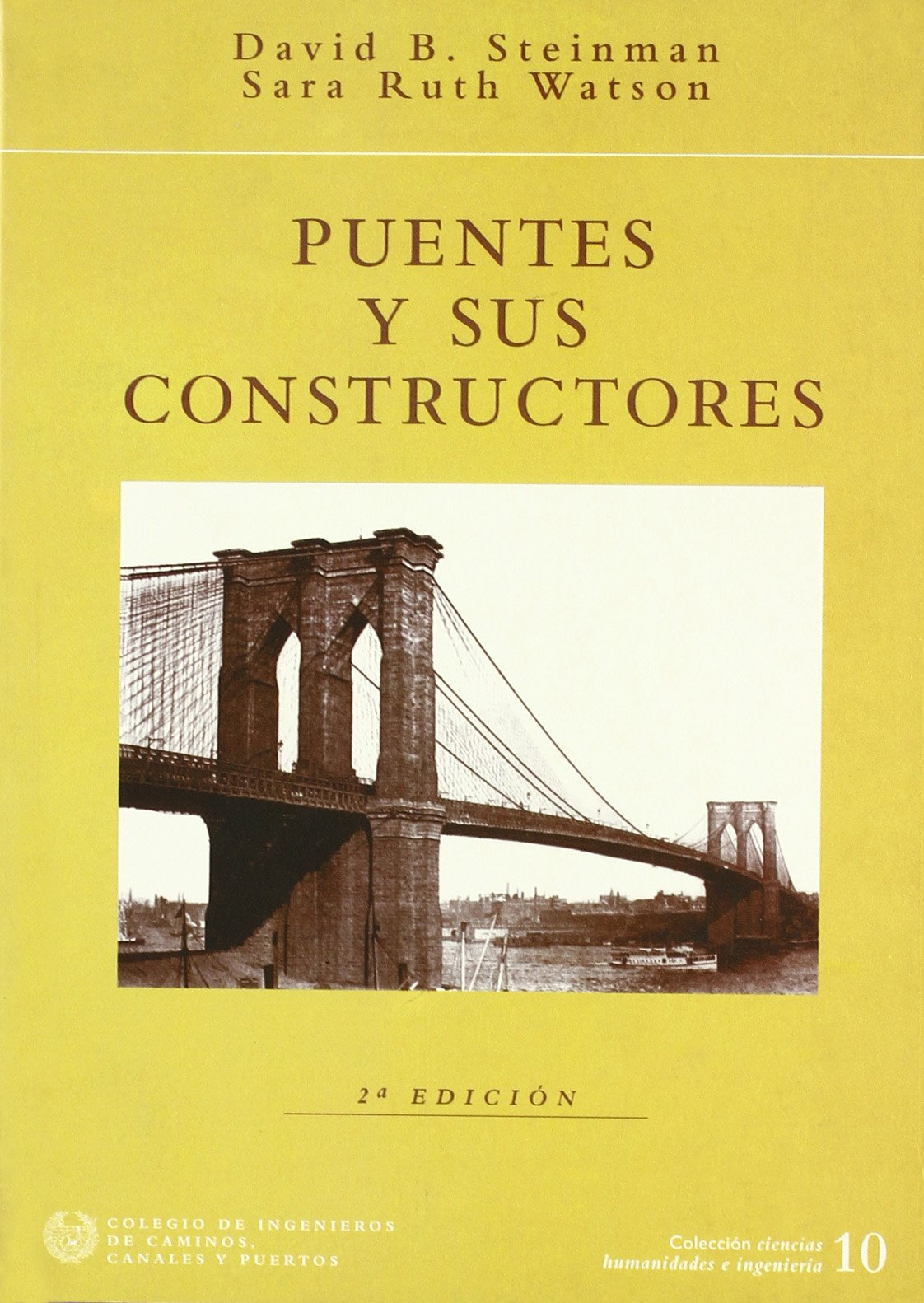
In addition, review the structural logic and the innovation achieved in The Golden Age of American Steel Bridges, the author delves into the events and historical context, recounting in an almost anecdotal manner the many feats of engineering that took place before, during, and after the construction of these bridges.
All we can do is hope that these 6 recommendations, In short, they're quite varied and may spark the curiosity of some A professional with a passion for structural analysis and design. And may they become new additions to your libraries.