New practices included in the ACI 318 standard
Changes in the way architects and engineers work—in particular, the use of computers to perform extensive design and analysis—led to some changes in the code. Other innovations in the industry, such as the construction of increasingly taller buildings and new seismic resistance requirements, led to further updates to the code. These will result in new construction methods better suited to current developments, the new challenges facing the sector, and the population's current habits.
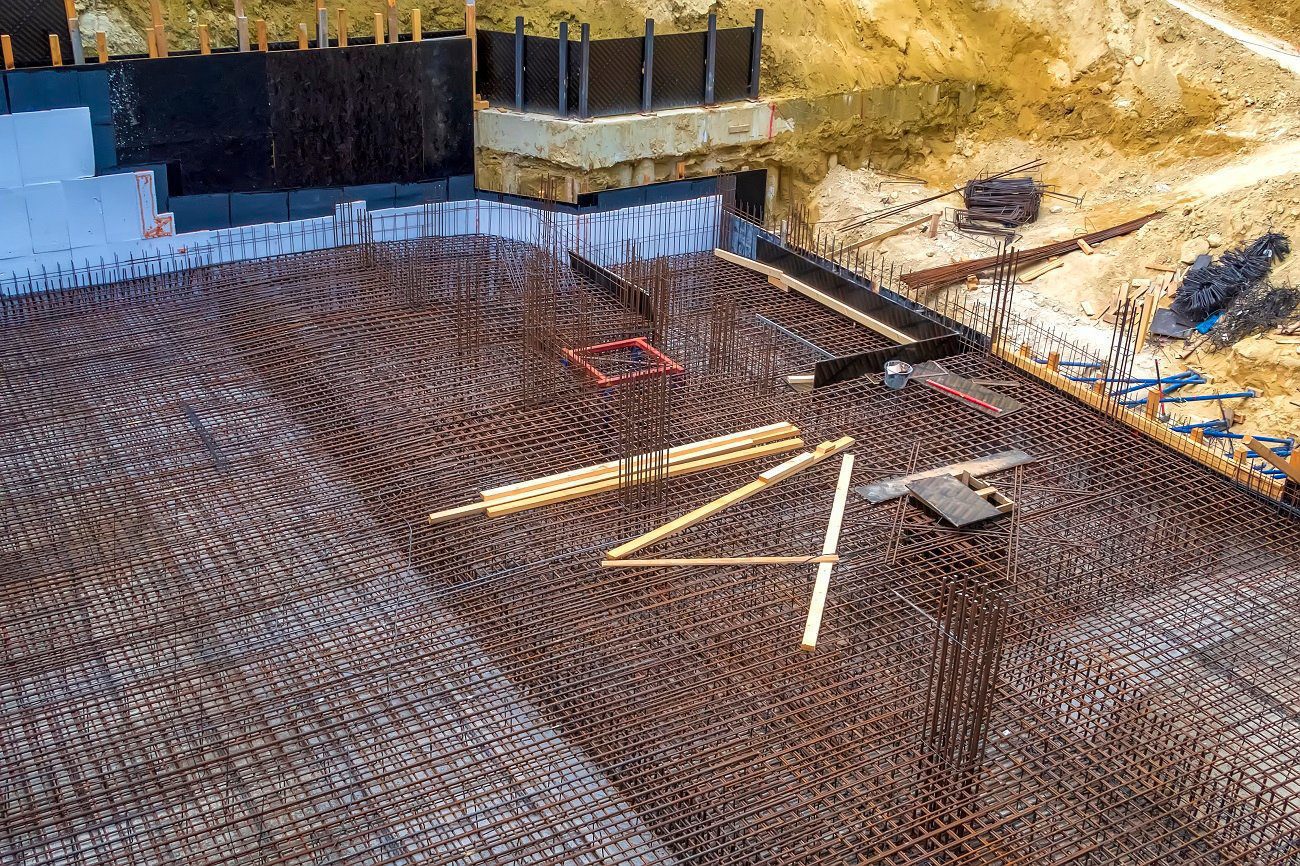
To prevent punching shear failure in two-way slabs, there is a new minimum reinforcement requirement for interior column-to-slab connections. Similarly, there are new requirements for bar extensions. Previous versions of ACI 318 specified minimum bar lengths and lap lengths for relatively thin two-way slabs supporting typical roof or floor loads. It was determined that thicker two-way slabs, such as transfer slabs, podium slabs, and mat foundations, require longer bar lengths and greater bar extensions to ensure that the bars extend beyond the projections of potential shear cracks.
It is now suggested that a additional transverse reinforcement, commonly known as suspension reinforcement, for certain reinforced concrete beams. This change is in response to the determination that beams cast monolithically with a supporting beam, and which span one or both sides of the supporting beam, could potentially cause the top surface of the supporting beam to fail under certain conditions. The suspension reinforcement helps transfer high shear forces from the end of the supported beam to the supporting beam.
There are also New code provisions for precast concrete bearing connections. Previous editions of ACI 318 contained specific provisions for restraint forces only for brackets and supports; 318-19 includes consideration of restraint forces in all bearing connections.
High-Strength Reinforcement
An update to ACI 318-19 that was eagerly anticipated throughout the industry was the expansion of permitted applications for high-strength reinforcing bars. Higher-grade reinforcing bars are now permitted, with bars up to Grade 100 for withstand axial forces caused by gravity, wind, and certain seismic load combinations. Grade 100 rebar is most commonly used for vertical wall bars and shear columns, although it can also be used for heavily loaded floor systems.
In closing, we would like to remind you that the specific provisions of the ACI 328 standard on the design of concrete structures are covered in Structuralia’s related training programs. Both the Master's Degree in Industrialized Concrete Construction such as the Master's Degree in Sustainable Construction Technology with Precast Concrete.