We cannot imagine a more sustainable world without a good system of energy storage. That's the key!
Energy Storage Methods for Renewable Energy Sources
In a world that is increasingly aware of environmental impacts, dependence on non-renewable energy sources has heightened concerns about sustainability and the unchecked emission of greenhouse gases and environmental degradation are inevitable side effects of this energy model. In the search for solutions to mitigate these negative effects, the energy storage It's a very interesting solution, providing the ability to make the most of renewable energy sources and overcome the challenges posed by their intermittency. In this article, we will explore how energy storage not only addresses current challenges but also points to a promising path toward a more sustainable and environmentally friendly future.
What is energy storage, and how does it relate to renewable energy?
Energy storage plays a vital role in the transition to a more sustainable energy system; essentially, it consists of capturing and conserve the energy generated by renewable sources during periods of surplus for use during times of scarcity or high demand. This technology serves as a crucial link, addressing the main Limitations of Renewable Energys: their intermittency. By storing excess energy generated by sources such as solar or wind power, a reserve is created that can be tapped when weather conditions do not allow for optimal generation. In this way, energy storage not only optimizes the efficiency of renewable sources but also contributes to the stability and reliability of the electricity supply, marking a significant step toward a more sustainable energy future.
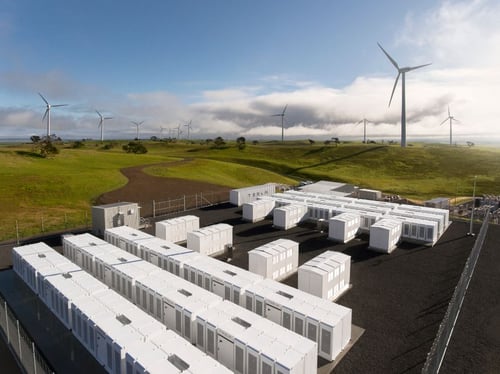 Project for a renewable energy production and storage facility. Iberdrola Blog
The Most Commonly Used Energy Storage Technologies Today
1. Compressed air
It stores energy by compressing air into tanks for later release, using the expansion of the air to generate electricity.
2. Supercapacitor
It stores energy electrostatically and is notable for its high charging and discharging speeds, making it ideal for applications that require bursts of instantaneous power.
3. Hydroelectric Pumping
It uses surplus electrical energy to pump water to high altitudes, storing it in a reservoir; when energy is needed, the water is released to generate electricity.
4. Thermal Storage
It stores energy in the form of heat, releasing it as needed; it is commonly used in combination with concentrated solar technologies.
5. Flywheels
They store kinetic energy in a rotating rotor, releasing it when necessary; they provide rapid and efficient responses to stabilize the power grid.
6. Batteries
Electrochemical storage that converts chemical energy into electrical energy; various technologies, such as lithium-ion, are used in applications ranging from mobile devices to electric vehicles.
7. Hydrogen Fuel Cells
It converts hydrogen and oxygen into electricity and water, providing a clean and efficient solution for storing and releasing energy.
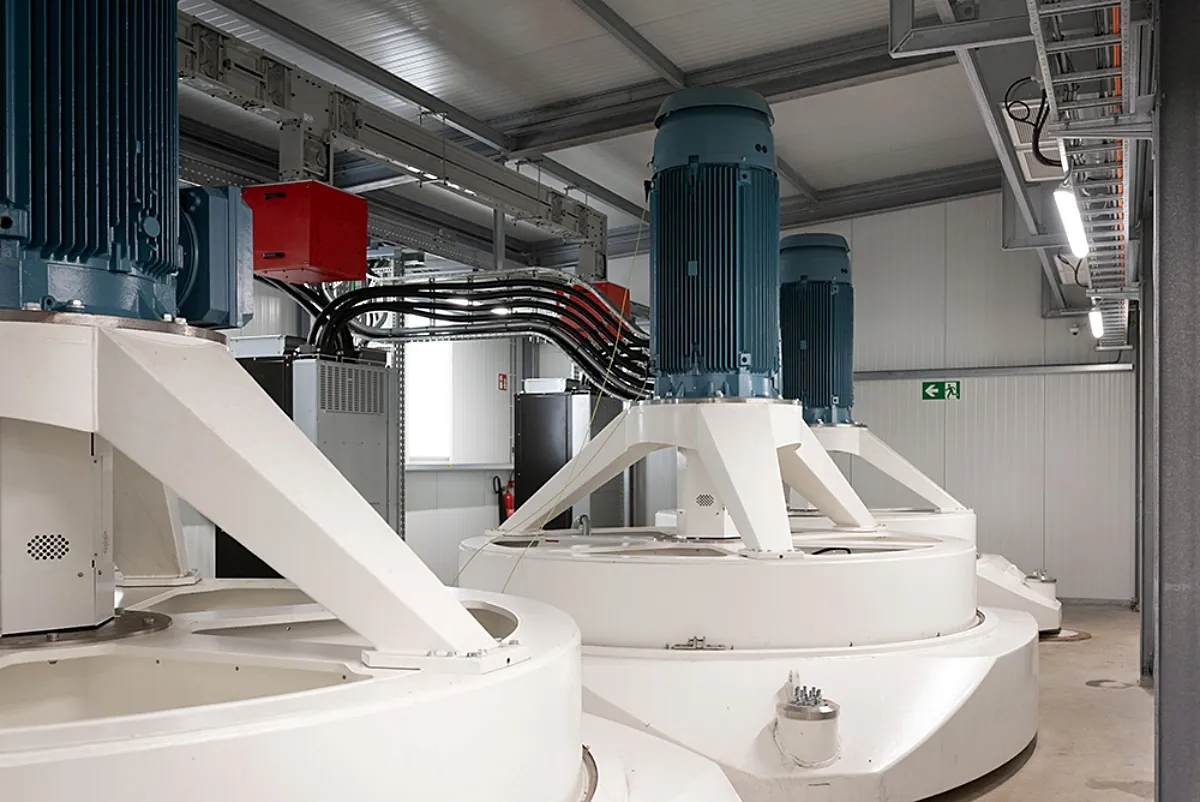
KINEXT flywheel system from S4 Energy for energy storage. Motor.es
What is preventing us from fully utilizing the potential of energy storage today?
Although energy storage technologies are a key component of the transition toward a more sustainable future, their implementation faces a number of challenges. Variability in development costs and the need for significant investments Economic barriers have hindered the widespread adoption of these solutions. In addition, the limited efficiency of some storage methods, along with the the need to improve durability and capacity in battery technologies raises questions about their long-term viability. Environmental concerns related to the extraction and recycling of key materials used in these technologies also contribute to the challenges. Despite these obstacles, continued innovation and The momentum from the scientific and business communities points to a future in which these technologies could overcome these challenges, playing a key role in building a more efficient and sustainable energy system.
In conclusion, the urgent need to embrace energy storage and adopt renewable energy sources is evident in An urgent call to build a more sustainable future. This shift is not only an environmental responsibility but also an opportunity to catalyze innovation and economic prosperity; therefore, we should reflect on the essential role these technologies play It urges us to actively participate in building a world where energy efficiency and environmental preservation go hand in hand. If you're looking to expand your knowledge in this crucial field, we invite you to explore the specialized training programs offered by Structuralia, such as the Master's Degree in Sustainable Electricity Generation, which provides the tools needed to lead the transition toward a cleaner and more sustainable energy future.