The first step is to choose the method by which the preventive activity will be carried out. This will help identify potential risks and the protective measures to be used to prevent them.
When it comes to highway maintenance, the following actions are most common: road engineering, road surface and pavement maintenance, roadside environment maintenance, environmental conservation, ancillary elements, maintenance and upkeep of electrical equipment and facilities, and maintenance and upkeep of highway tunnels.
The risks and protective measures associated with each of these activities are listed below.
Highway Maintenance
- Surveillance, support for sustainability, and street cleaning with a sweeper
Potential risks: being struck by vehicles and vehicle collisions, blows and cuts, and exposure to toxic and hazardous substances.
Protective equipment: high-visibility clothing, boots, gloves, goggles, and masks with a specific chemical filter.
- Winter Drivability
Possible risks: being run over or involved in collisions with vehicles, becoming trapped in or struck by machinery, and exposure to extreme cold.
Protective equipment: high-visibility cold-weather clothing, boots, gloves, protective gear, and protective covers.
Roadway and Pavement Maintenance: pothole repair, patching, repair of potholes using asphalt mixtures, pavement reconstruction, surface treatment, milling, application of cold or hot micro-agglomerate, porous asphalt for the surface layer and asphalt for reinforcement layers, crack sealing, and sealing of bridge deck joints.
Possible risks: being struck by or colliding with vehicles; blows and cuts; exposure to toxic and hazardous substances; fire, explosions, and burns; flying debris; and exposure to noise and vibrations.
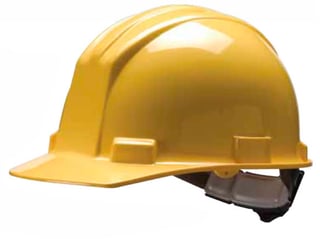
Protective equipment: high-visibility clothing, boots, gloves, chemical-filter respirators, gloves and boots specifically designed for hot materials, fire extinguisher, hard hat, hearing protection, elastic belt, and wrist straps to reduce vibrations.
Conservation of the Roadside Environment
- Earthwork: Installation or repair of protective netting; removal of debris at the base of cut slopes; reprofiling of earthen slopes; installation and replacement of breakwaters and gabions.
Possible risks: Vibrations, overexertion, being caught or struck by machinery, falling objects, debris from collapses, and exposure to noise.
Protective equipment: Lumbar support, helmet, gloves, boots, protective gear and casings, cables, slings and hooks, and hearing protection.
- Masonry work: includes the replacement or repair of railings, the repair of defective masonry facades and elevations, the reconstruction or construction of foundation slabs, underpinning, etc.
Possible risks: being run over and collisions with vehicles, falls from different heights, exposure to toxic and hazardous substances, vibrations, overexertion, blows, cuts from tools, and exposure to noise.
Protective equipment: high-visibility clothing, fall-arrest harness with lifeline, safety nets, gloves, safety goggles, respirators with specific filters, lumbar support belts, boots, hearing protection, protective covers and casings, and gloves.
- Drainage work: cleaning, repair, and lining of ditches; cleaning and repair of pipes, culverts, and sewers; replacement of curbs; cleaning and replacement of underground drainage systems and collectors; and cleaning, repair, and construction of downspouts, manholes, and wells.
Possible risks: Accidents, vehicle collisions, falls from different heights, exposure to toxic and hazardous substances and biological hazards, vibrations, overexertion, blows, falling objects, being caught or cut by machinery, and exposure to noise.
Protective equipment: High-visibility clothing, fall arrest harness with lifeline, fall arrest nets, gloves, boots, goggles, face mask, creams, personal hygiene items, lumbar support belt, hard hat, safety footwear, cables, slings, hooks, guards and housings, hearing protection.
Environmental Conservation
- Mowing, Pruning, and Watering
Possible risks: flying particles and objects, vibrations, overexertion, impacts, falls from different heights, exposure to noise.
Protective equipment: helmet with a visor or mesh screen, boots, gloves, safety vests, lumbar support belt, fall arrest harness, hearing protection.

- Pesticide Treatments
Possible risks: exposure to toxic and hazardous substances.
Protective equipment: clothing, boots, gloves, and masks with a specific filter.
Supplementary Elements
- Road Markings
Possible risks: being struck by or colliding with vehicles, being struck by flying particles, being trapped by overturning or falling machinery, exposure to toxic and hazardous substances, vibrations, overexertion, and blows
Protective equipment: high-visibility clothing, impact-resistant goggles, protective covers and casings, gloves, safety footwear, lumbar support, chemical-resistant gloves, and masks with filters.

- Vertical Signs and Road Markings
Possible risks: being struck by or colliding with vehicles, being trapped by machinery, being struck by flying particles, falls from different heights, vibrations, overexertion, blows, cuts, explosions, fires and burns, exposure to noise, falling objects, and electrical contact.
Protective equipment: high-visibility clothing, gloves and boots, guards and enclosures, impact-resistant shields or goggles, fall arrest harnesses, hard hats, guardrails, toe boards, lumbar support, gaiters, arm sleeves, and a fire extinguisher, hearing protection, cables, slings, hooks, double insulation, and safety gates.
- Safety Barriers
Possible risks: being struck by or colliding with vehicles, being trapped by machinery, falling objects, falls between different levels, exposure to noise, vibrations, overexertion, blows, cuts, exposure to hazardous substances, fires and burns, and risks from electrical contact.
Protective equipment: high-visibility clothing, gloves, boots, helmet, slings and hooks, fall arrest harness with lifelines, safety nets, hearing protection, safety goggles, apron, gaiters, and arm sleeves, fire extinguisher.
Maintenance and upkeep of electrical equipment and facilities: Inspection and repair of electrical power distribution and substation facilities, generator sets, power distribution lines, and street lighting; replacement of light bulbs, auxiliary components, and mounting brackets; cleaning of light fixtures; maintenance or repair of traffic signal systems and variable message signs; and inspection or repair of drainage pumps.
Possible risks: being struck by vehicles and collisions with vehicles; blows and cuts from objects or tools; falls from different heights; fire; explosions; and burns.
Protective equipment: high-visibility clothing, boots, gloves, safety harness, tools and electrical equipment, fire extinguishers, hard hat and impact-resistant face shield, insulated gloves and mittens for electrical work, insulated extension pole, tools, work stool, or insulated mats.
Preservation and Maintenance of Highway Tunnels: Inspection and repair of equipment installed in tunnels, including fire protection and gas detection and extraction systems, cleaning of tunnel ends, and response to incidents or accidents.
Possible risks: being struck by or colliding with vehicles; being struck or cut by objects or tools; being crushed or trapped by loads; exposure to hazardous atmospheres
Protective equipment: high-visibility clothing, boots, gloves, helmet, insulated mittens, ventilation systems, self-contained breathing apparatus, gas detector.
If you're interested in the preservation and use of horse-drawn carriages, check out our graduate program:
Master's Degree in Highway Maintenance and Operations Engineering