Sometimes big problems call for simple solutions. This is often the case in construction—a process that, although it dates back thousands of years, remains quite complicated and costly even today. And while it may sound like a joke, we continue to use solutions as old as human history to build the most modern buildings, because it is the simplest solutions that best solve a problem—and also the ones that stand the test of time.
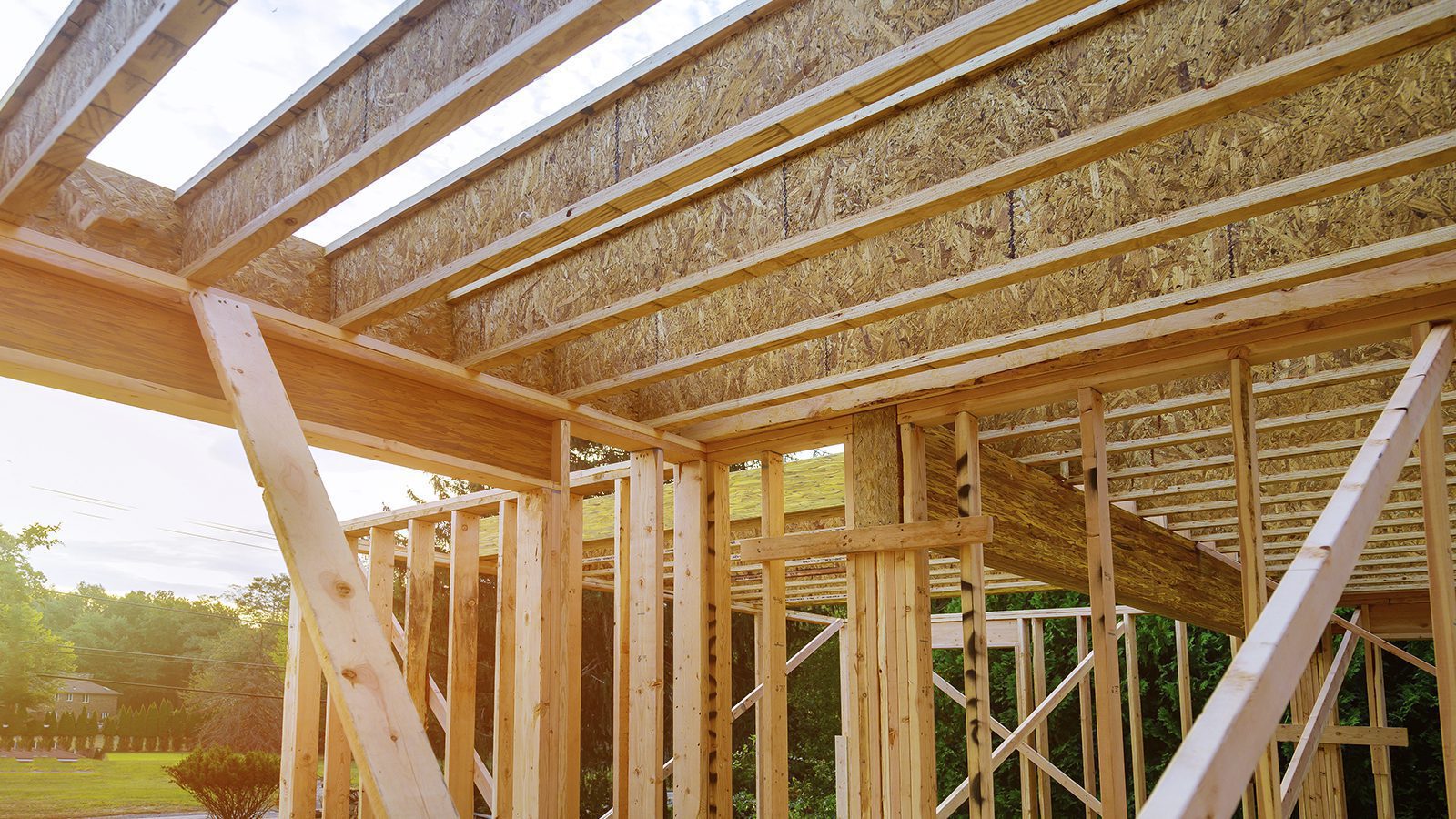
We're talking about the shoring, in other words, the process of installing temporary supports for structures that, for one reason or another, are unable to stand on their own. Shoring up a structure is a pseudo-structure, serving an auxiliary and ephemeral function, in some cases even disposable, and consisting of vertical or diagonal elements, depending on the specific need for fastening.
When these elements are completely vertical, they are called struts, and when these struts are used diagonally, they are called shoring. These fasteners are usually made of wood or metal and fairly slender, so that they can be transported and handled with relative ease when being assembled, as well as when being disassembled.
How does shoring work?
First and foremost, it is important to make it clear that this system is used in two very specific cases related to construction:
Construction
In construction, props, or shoring, are used as auxiliary structures, especially when working with reinforced concrete elements. Since this type of “wet” construction methods” require a concrete curing process, which the concrete must undergo before it acquires the mechanical properties that will allow it to remain standing and prevent it from collapsing under its own weight. This process typically lasts about 28 days
While the concrete is setting, or forge, it must be shaped using the formwork, which, like props, are auxiliary elements, except that formwork serves only to shape structural elements; The element responsible for holding the formwork for a beam, a floor slab, or a column in place and supporting it while the concrete hardens is the shoring system.
Structural Failures
This situation occurs when the structures, or parts of a building are at risk of collapsing, this means that the structure is no longer able to stand on its own. This can happen for various reasons: increasing moisture in the soil, rust, ground movement, fires, earthquakes, or simply the passage of time.
The problem is that these events pose a high risk of collapse, and therefore a significant hazard spot for people who live in or pass through the area. Shoring is used to temporarily mitigate the risk of collapse while the structure is reinforced or while the area is being cleared to ensure that it is safe for demolition.
Removal of Supports
We are indeed referring to the opposite process of shoring, and although it may not seem like it, it is an important part of the construction process and structural reinforcement. The first thing to know is that A structure should not be shored out until we are certain that it has reached its final state of rigidity., that is, once the concrete has fully set (approximately 28 days); or, in the case of a steel or wood structure, until the geometric configuration that provides sufficient rigidity for the structure to support itself is complete.
What happens when a structure is shored out is that the loads resulting from the weight of its own components—which were previously distributed to the ground by the shoring—are transferred entirely to the structural members. And if these are not adequately prepared, this will result in deformations that will likely affect structural stability, and in the worst-case scenario, the structure will collapse.
That is why we must consider a sequence for removing shoring depending on the structure itself. Since overhangs are typically the most critical points, the safest approach is to loosen the hanging ends and remove the props one by one, working inward. Under no circumstances is it advisable to remove all the props at once.