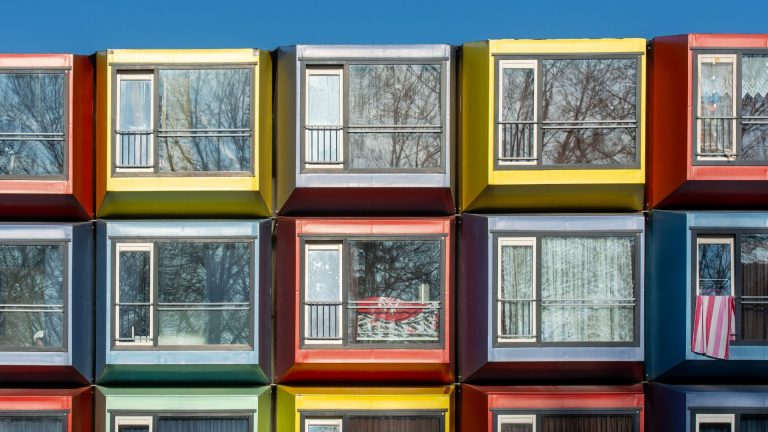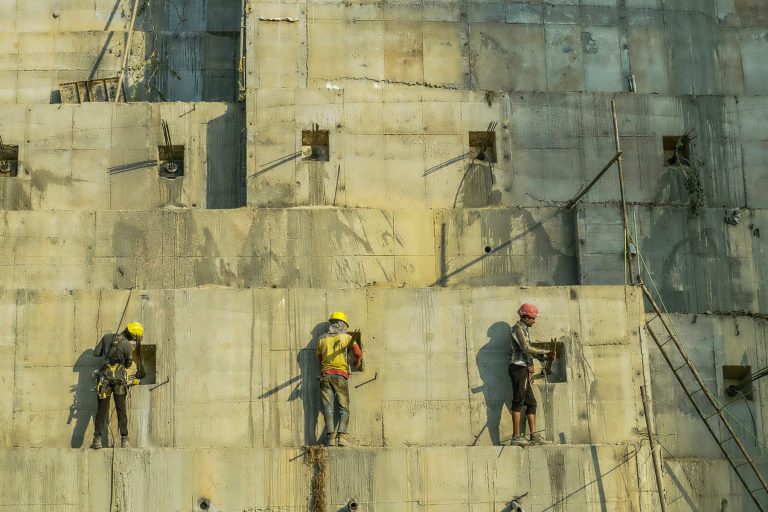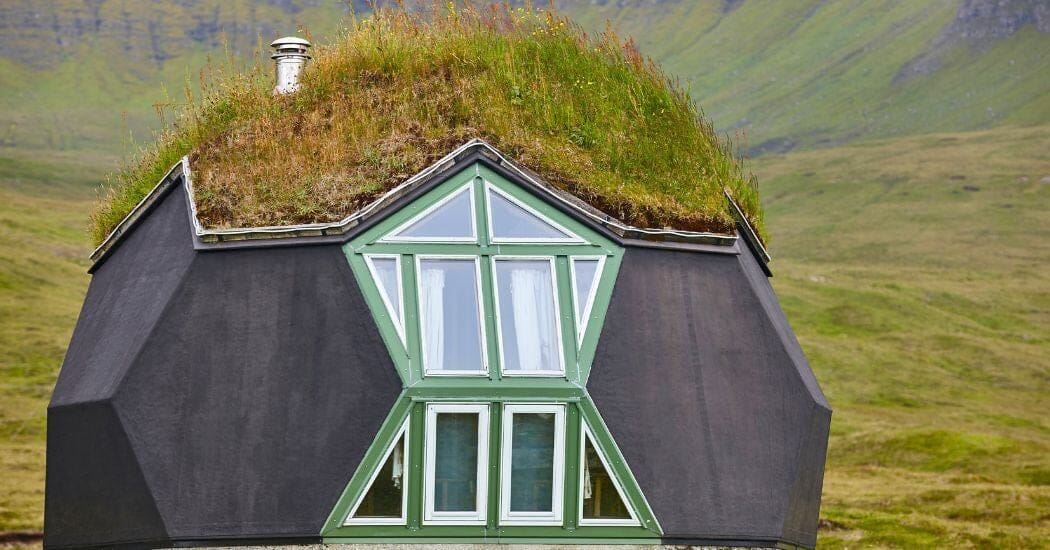
Biomimetic architecture, inspired by nature, promotes sustainability and efficiency, as well as organic aesthetics.
Biomimetic Architecture: Nature-Inspired Buildings
The biomimetic architecture is based on the observation of nature's processes, systems, and structures in order to apply them to the design and construction of buildings. This approach seeks to assimilate the practical and sustainable solutions that nature has developed over the course of all these years of evolution. By incorporating these principles, architects can design buildings that are not only aesthetically pleasing, but also functional and respectful of nature.
Distinctive Features of Biomimetic Architecture
Buildings designed according to criteria biomimetic They typically incorporate several distinctive elements. First, they use shapes and structures inspired by living organisms found in nature, such as mollusks or insect wings, to increase durability and energy efficiency. Second, they use materials that mimic the properties of nature, such as self-cleaning surfaces inspired by lotus leaves. Finally, these buildings tend to incorporate systems that optimize the use of natural resources, such as the rainwater harvesting and reuse or the generation of energy from renewable sources.
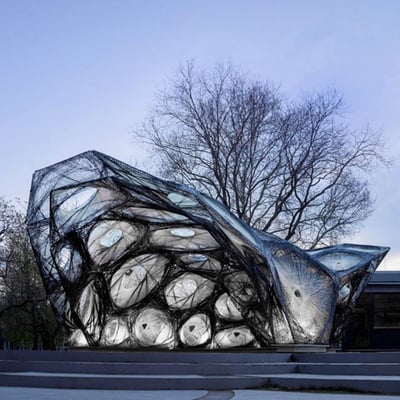
The ICD Pavilion, a landmark of biomimetic architecture. Parametrichouse
Benefits of Biomimetic Architecture
The biomimetic architecture It offers numerous benefits that make it an attractive option for professionals in the industry:
1. Energy Efficiency
By emulating nature's solutions, buildings can significantly reduce their energy consumption. For example, thenatural ventilation and the use of passive solar lighting They can reduce the need for air conditioning and artificial lighting.
2. REnvironmental Impact Assessment
By using sustainable materials and traditional construction techniques that reduce waste, the biomimetic architecture helps reduce the ecological footprint of buildings.
3. Improved Comfort and Health:
Nature-inspired designs tend to create healthier and more occupant-friendly environments, improving indoor air quality and promoting physical and mental well-being.
4. Innovation and Creativity:
The adoption of biomimetic principles promotes innovation and creativity in architectural design, offering unique and efficient solutions to common challenges.
Innovation and New Construction Methodologies
Technological innovation and new construction methodologies, such as the Building Information Modeling (BIM), are facilitating the biomimetic architecture. BIM, in particular, encourages architects and builders to model and simulate various issues related to a building before construction begins, ensuring that biomimetic principles are applied effectively and efficiently. In addition, advanced manufacturing technologies, such as 3D printing, make it much easier to create complex shapes and structures inspired by nature with precision and resource efficiency.
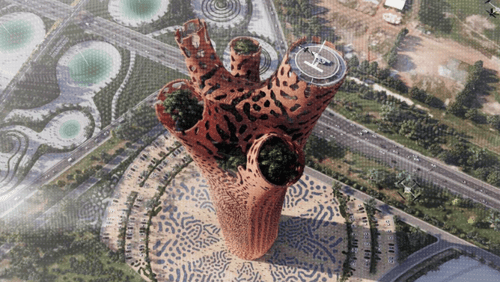
“Tower of Life” in Senegal: An Example of Biomimetic Architecture Projects. Innovation Hub
In conclusion, the biomimetic architecture represents an invaluable opportunity to promote our constructive practices toward a more sustainable and efficient future. We encourage all engineers and architects to continue pursuing continuing education and specialization in topics that contribute to the society of the future. To that end, Structuralia offers an extensive catalog of online courses and master's programs on architecture and sustainability, particularly the Master's Degree in Energy Efficiency and Sustainability in Building Construction. Education and innovation are key to leading the shift toward architecture that is more respectful of our planet.