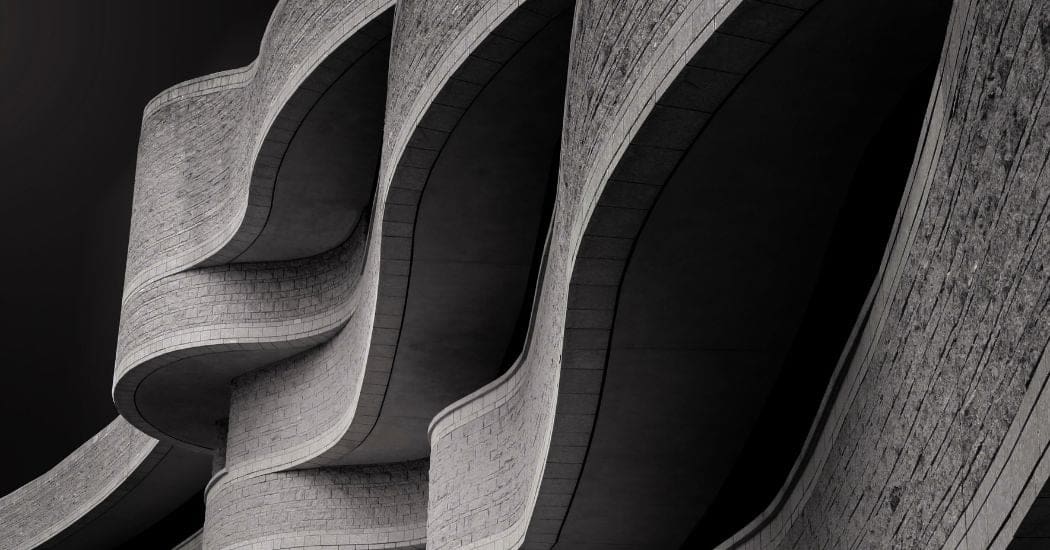
Dive into The World of Brutalist Architecture and discover its impact across the entire planet.
Brutalist Architecture and Its Legacy Around the World
The Brutalist architecture It is a highly influential architectural movement that emerged in the second half of the 20th century. This style developed in a historical context marked by the rise of the postwar period and the need for reconstruction in Europe and other parts of the world. The term «Brutalism» comes from the French word «raw concrete«, which means «raw concrete.» This name captures the very essence of the style, which is characterized by the exposure of the material's texture and the prominent use of concrete, revealing its authenticity and durability.
Characteristic Elements of Brutalist Architecture
Without a doubt, it is essential to explore the aesthetic and structural elements that define Brutalist architecture as a distinctive style. Brutalist architecture is characterized by a series of unmistakable features that give it its unique identity. Here, we will highlight some of the most prominent elements:
1. Use of Concrete
Brutalist architecture is characterized by its extensive use of concrete, both in its raw form and as precast panels. This material is chosen for its durability and versatility, and its presence conveys the building's structural integrity. Brutalist architects often reveal the textures and marks left by the concrete formwork, which gives his works a distinctive character.
2. Bold Geometry
Challenging geometry is another key element of Brutalist architecture. The buildings often feature solid geometric shapes, such as cubes, prisms, and rectangular prisms, with sharp angles and straight lines. This bold geometry contributes to the feeling of monumentality and durability.
3. Monumental Scale
Brutalist architecture tends to be imposing and large-scale. Many Brutalist structures are institutional buildings—such as schools, hospitals, and government complexes—designed to convey a sense of authority and permanence.
4. Play of Light and Shadow
The textured and angular surfaces of Brutalist buildings interact with light in a dramatic way. This creates plays of light and shadow that add depth and dimension to Brutalist architecture, giving it a unique visual quality.
5. Expressive Functionality
Brutalist architecture often clearly expresses its function. The structures They often reveal how they are designed to serve a purpose specific, whether through the arrangement of windows, exterior staircases, or walkways.
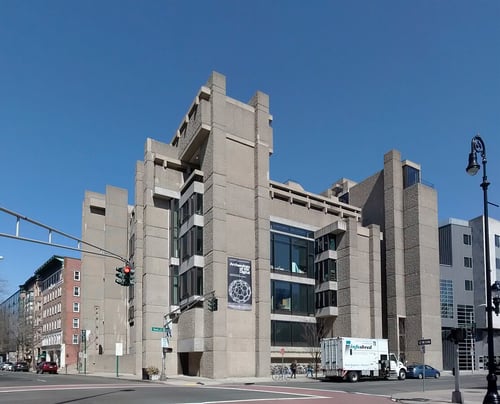 The Art & Architecture Building at Yale University, an example of Brutalist architecture designed by architect Paul Rudolph. Wikipedia
Leading Figures in Brutalist Architecture
In this section, we will highlight some of the most influential architects who have emerged as leading figures in Brutalist architecture:
Le Corbusier (1887–1965)
Although Le Corbusier is widely recognized for his influence on the Modernist movement, his work also left a significant mark on Brutalist architecture. His focus on exposing the structure and his use of concrete in projects such as the Housing Unit in Marseille, France, helped define the Brutalist aesthetic.
Paul Rudolph (1918–1997)
American architect Paul Rudolph is another prominent figure in Brutalist architecture. His designs, such as the Art & Architecture Building At Yale University, they incorporated concrete into bold, angular architectural forms, setting a standard for the movement in the United States.
Alison and Peter Smithson
This British architectural duo played a key role in promoting Brutalist architecture in the United Kingdom. Their most iconic project, the Robin Hood Gardens In London, it is a prime example of his commitment to the movement, with its concrete blocks and functionalist design.
Marcel Breuer (1902–1981)
Breuer, a Hungarian-American architect, is known for his work with concrete in masterpieces such as the Whitney Museum of American Art in New York. Its focus on textures and the expression of raw materials is characteristic of Brutalist architecture.
Kenzo Tange (1913–2005)
This Japanese architect is one of the leading figures of Brutalism in Japan. His design of the Yoyogi Stadium Built for the 1964 Olympic Games in Tokyo, it stands out for its creative use of concrete and its striking visual presence.
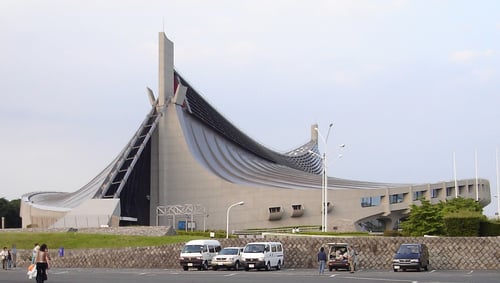 The Yoyogi Stadium/Gymnasium in Tokyo is an example of Brutalist architecture designed by architect Kenzo Tange. Wikipedia
The Most Iconic Buildings of Brutalist Architecture
Without a doubt, Brutalist architecture has left behind a number of iconic buildings that capture the essence and influence of this architectural style over the decades. Below, we will explore some of the most representative buildings of Brutalist architecture:
1. Barbican Center, London
The Barbican Estate in London is a stunning example of Brutalist architecture in the United Kingdom. Designed by the architects Chamberlin, Powell, and Bon, this complex of residential units, offices, and a performing arts center features concrete and bold geometric shapes that make it stand out against the city skyline.
2. The Living Unit, Marseille
Designed by Le Corbusier, this Brutalist masterpiece is a symbol of the movement's architecture. With its distinctive use of exposed concrete and its focus on functionality, this building has become an icon of the style.
3. Public Works Secretariat Building, Mexico City
Known as «Stalin's Bunker,» this building was designed by the architect Mario Pani and it is a prominent example of Brutalist architecture in Latin America. Its expressionist concrete facade and its robustness are characteristic of this style.
4. University of Brasília, Brasília
Designed by the architect Oscar Niemeyer, the University of Brasília features a series of Brutalist buildings that incorporate intriguing curves and angles in concrete. These buildings are a testament to the architect's innovative approach.
5. La Tour du Midi, Brussels
This office skyscraper in Brussels, designed by the Belgian architect André Jacqmain, stands out for its imposing presence and extensive use of concrete. It is one of the most notable examples of Brutalist architecture in Belgium.
These buildings represent just a small sample of the rich diversity and The Global Influence of Brutalist Architecture. Each of them exemplifies the stylistic boldness and constructive expression that characterize this architectural movement. Their presence in the urban landscape and their impact on the history of architecture They continue to be relevant and admired at present.
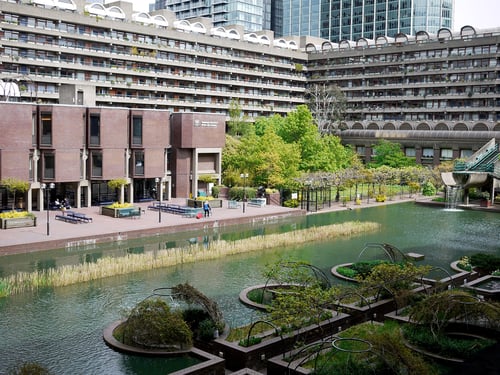 An interior view of the Barbican Centre in London—undoubtedly a living legacy of Brutalist architecture around the world. Arch2o.com
In conclusion, the Brutalist architecture has left an indelible mark on the history of architecture, and its unique aesthetic and structural elements continue to inspire architects and engineers around the world. Through its focus on the honest expression of materials and the monumental nature of its designs, the Brutalist architecture It remains relevant and admired. If you are an architect or engineer that aims to broaden your horizons and explore nNew Opportunities in the Workplace, we encourage you to consider the specialized courses and master's programs in architecture offered by Structuralia. These training opportunities can provide you with the knowledge and skills you need to excel in your career and contribute to the ever-evolving legacy of architecture, including the fascinating Brutalist architecture.