Minimalist architecture is all the rage in 2024. Discover the origins of the ‘less is more’ philosophy, its benefits, and how to create a home like this.
Minimalist Architecture: What It Is, Its Origins, and Its Advantages | Structuralia
The minimalism It's a trend that has gradually made its way into every aspect of our lives—including, of course, the worlds of architecture and interior design. But what is minimalism, and what makes it so special? Come find out!
The Minimalist Architecture Boom: What Is the “Less Is More” Philosophy?
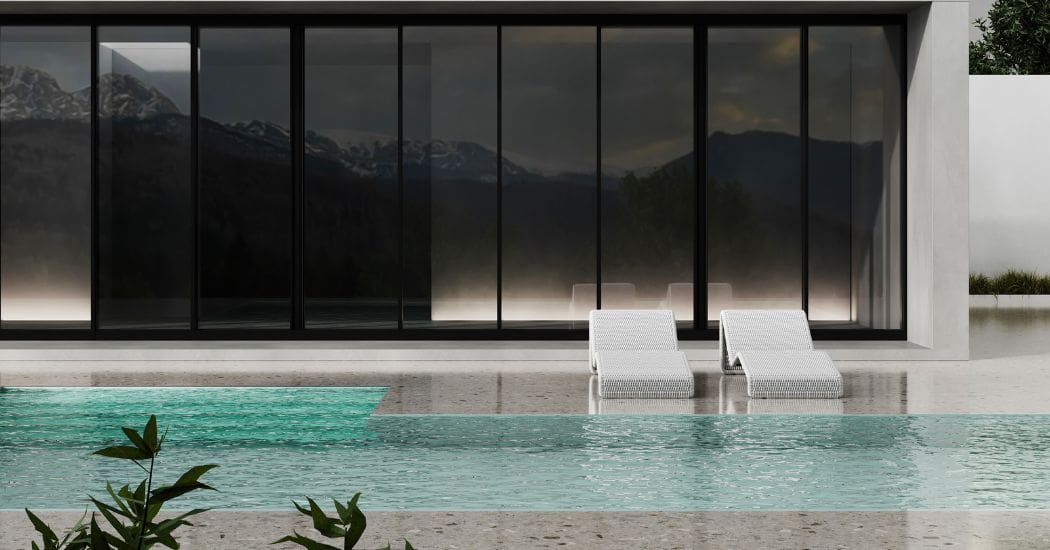
 Minimalism is an architectural style that seeks to reduce superfluous elements, retaining only the essentials. It aims to simplify and create a more Zen-like space, focusing on the beauty of simplicity.
In a minimalist design, spaces are not cluttered with unnecessary elements; instead, the focus is on the essentials. For example, a room’s ceiling is not overloaded with moldings; rather, it remains completely flat and, if anything, features indirect lighting from one side. Similarly, no spiral staircases, but they tend to be straighter and simpler.
Minimalist architectural projects often use neutral and monochromatic colors that go well together. Some customers can choose a shade to create contrast.
As for materials, elements such as wood, marble, steel, granite, and glass are among the most commonly used in this style. Typically, the focus is on using fewer, higher-quality materials, avoiding an overabundance of different materials.
The goal is to play with shapes and straight lines to achieve a visually clean, original, simple, elegant, and beautiful space.
The Origins of Minimalist Architecture: This Is How It All Began!
Minimalism may seem like a modern phenomenon, but it isn't. It dates back to 1930, pioneered by the German architect Ludwig Mies van der Rohe, considered to be the father of minimalist architecture.
It first gained popularity in the 1960s, reaching its peak in the 1970s. Since then, it has been used in numerous architectural and interior design projects, and today it is in extremely high demand.
The Benefits of Minimalist Architecture: Why Do So Many People Love It?
Minimalist architecture is increasingly in demand among clients because of its many benefits. Here are some of the highlights:
1. More space
One of the advantages of the minimalist style is that you'll have more space to move around in your home, which is always nice.
2. It's easier to keep things tidy
With fewer things lying around, it's easier to keep everything tidy, so it's ideal for people who love order—or even for those who find it really hard to stay organized.
3. Cleaning the house goes faster
If you find cleaning the house exhausting, having a minimalist home will allow you to get it done in no time. You could even finish cleaning an average 90-square-meter apartment in just 1 hour.
4. A more timeless style
With fewer details and fewer items, the style becomes much more timeless, which means it never goes out of style. This is also great, especially if you like to change up your decor every so often.
5. Fewer resources of higher quality
From the perspective of sustainability and environmental stewardship, this architectural style contributes to those goals because it focuses on choosing fewer, higher-quality items.
This type of architecture offers nothing but advantages for the client, because it's appealing and easy to maintain over time. It's one of the best investments you can make.
How to Create a Minimalist Home: 6 Tips for Success
To create a minimalist home, it’s important to apply the “less is more” philosophy to every room in the house.
-
Design a minimalist kitchen with tall cabinets and a single countertop or kitchen island, avoiding placing appliances or other kitchen items on it (this amplifies noise and makes cleaning more difficult). It’s best to stick to one color or, at most, two. For example, white or black, or combined with wood.
-
Furnish the living room Just a sofa, a TV stand, a coffee table or side table, and a dining table. Choose furniture that fits the space you have available, and avoid pieces that are too large.
-
Don't overcrowd the rooms and use light colors whenever possible so they look bigger and brighter.
-
For the bathrooms, use full-width ceramic tiles and avoid placing objects on the countertop to create a neater appearance and make cleaning easier.
-
Use textiles in neutral shades, in keeping with the minimalist style of the other rooms. For example, in ecru.
-
Make use of mirrors and natural and artificial light to make the room look larger and more inviting. To give it a more minimalist look, you can choose light fixtures instead of light bulbs.
By following these tips, you'll be able to bring minimalism into many homes. It's a trend that's definitely here to stay and is winning over more and more people, especially with its philosophy of reducing the resources we need.
What do you think of minimalism in architecture? Does it appeal to you?