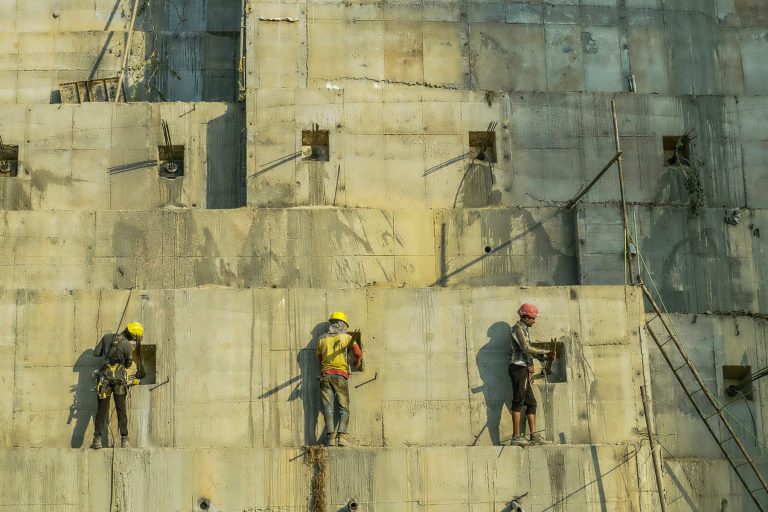
The metropolitan rail system is a vitally important piece of urban infrastructure in large cities, which is why the design phase must be handled with the utmost care. Let's look at some of the initial considerations we'll need to take into account.
There is no doubt that we all fully appreciate the importance of this transportation system in large urban centers. More and more cities around the world are incorporating it into their public services, thereby improving mobility for their residents and contributing to economic productivity.
In addition to the subway, metropolitan transit also includes light rail, streetcars, tram-trains, and train-trams.
When beginning the design of a subway project, the most important factors to consider are the costs and timelines associated with the project, given the nature of the infrastructure and its impact on other urban services during construction. However, we must also take into account a number of other factors, which we outline below:
Infrastructure
Railway infrastructure is the most expensive and important part of the entire project. This cost can account for up to 70% of the total cost of our project (including civil works, stations, and tunnels), so we must take special care in its design.
As we mentioned earlier, deadlines should be set as short as possible. This way, we will not unduly delay the overall timeline of our project and will minimize inconvenience and disruption to third parties.
When installing the stations, keep in mind that they should be as accessible as possible and not too deep, whenever feasible.
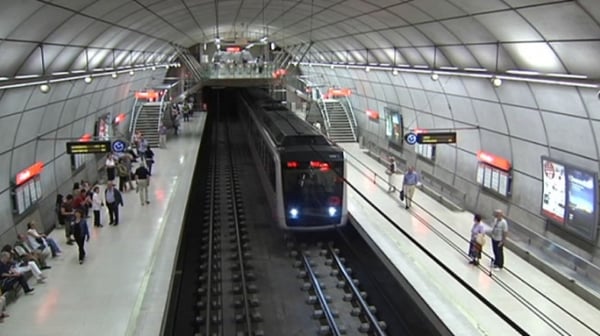
Tunnels may be either a single two-way tunnel, well two single-track twin tunnels. Each of these two options has its own advantages and disadvantages.
For example, twin tunnels entail higher construction costs, and the construction work has a much greater impact than in the case of a single tunnel. On the other hand, when maintenance work is required, traffic does not have to be stopped in twin tunnels. Tunnel boring machines used in double-tube tunnels can operate at higher rates, since the excavations are generally smaller, which also improves ventilation and safety.
Facilities
This section covers all the typical facilities found in a railway infrastructure, including both power supply and signaling systems, but it also includes other fixed installations specific to the metro system (such as escalators and ticket vending machines, among others) and the underground line (line ventilation, tunnel lighting, etc.).
Installation projects will be determined by the main elements we encounter on the job site:
- Power Supply for Rolling Stock (Overhead Contact Line or Third Rail)
- Electrical Service Connections
- Substations in place
- Remote Control for Power
- Railway signaling, including both traffic lights and interlock systems
- Train Protection and Automatic Control System
- Control Station and Centralized Remote Control System
- Telecommunications
- Train-to-Ground Radio Communication System
- Escalators
- Moving Walkways and Mechanical Ramps
- Elevators
- Ticket Sales and Access Control
- Traveler Information Systems
- Automatic platform doors
- In-line ventilation system
- Water Pumping Systems Along the Line
- Fire Detection and Protection
- Tunnel Lighting
Rolling Stock
This will be another key factor to consider when beginning the design of our project. When selecting rolling stock for a metro system, one of the main factors that must be taken into account is its versatility; it is important to define the minimum commercial speed, the maximum commercial operating speed and the passenger capacity per car.
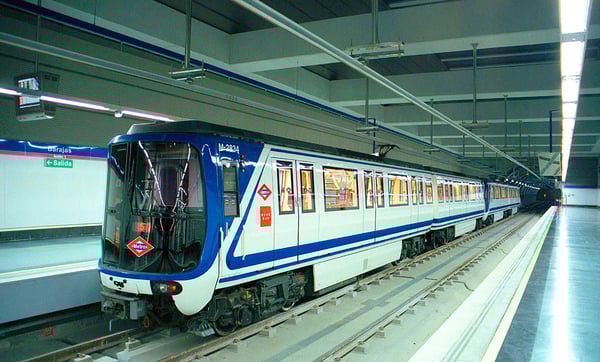
In addition to this, we must also identify a number of other factors specific to the train that will run on our tracks, which will undoubtedly influence the design of the line. These include: the drive type, the electronic equipment y control, the data bus for transmitting information, the ATP/ATO systems, the climate control, the bogie characteristics, the wheel profile, the traveler information systems y passenger safety and, of course, the gauge constraints.