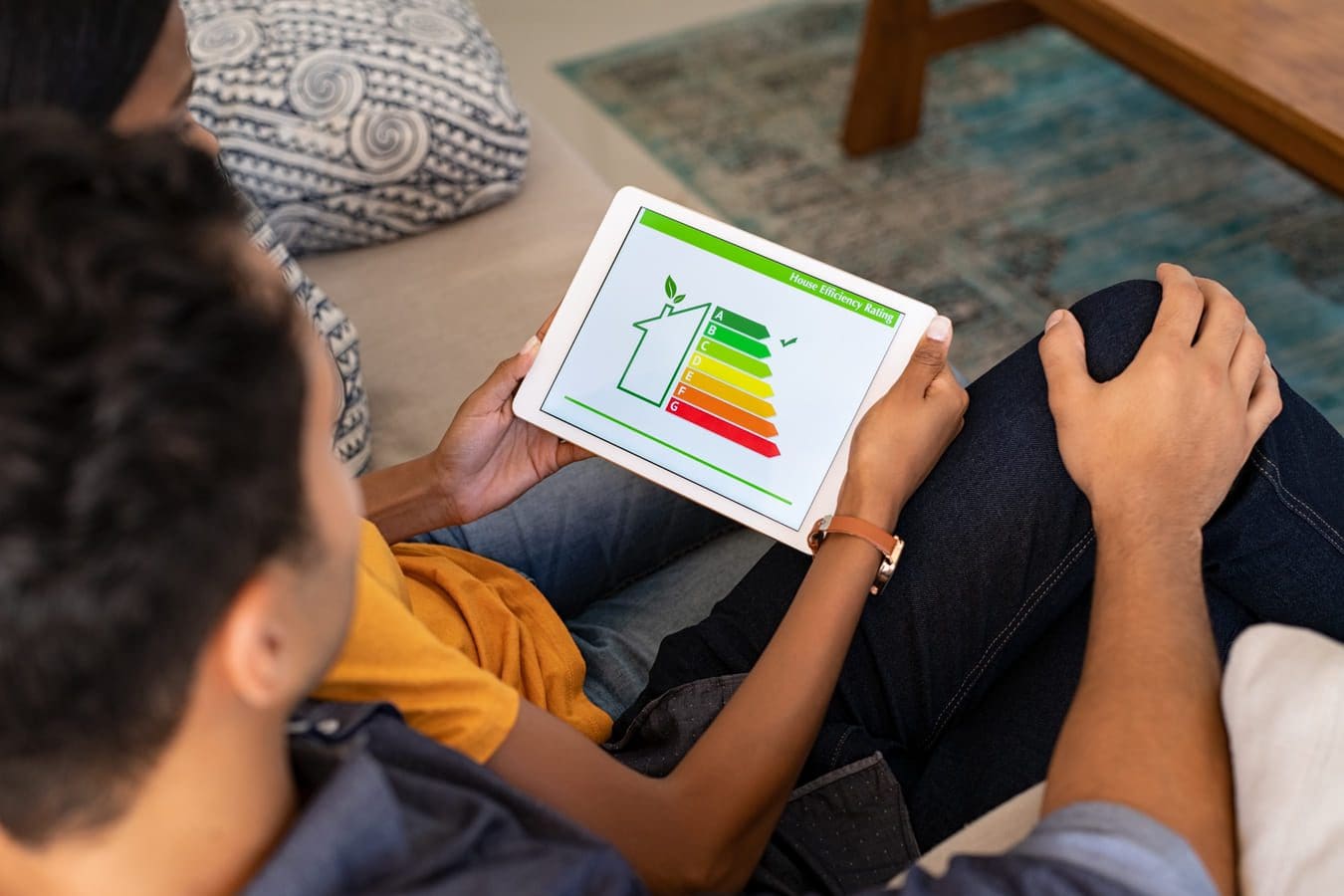
In the wake of the global energy crisis, the European Union began taking action in 2002 with the Directive on Energy Efficiency in Buildings. One of the best-known directives in this area, as it introduces the concept of energy performance certification for buildings. Energy efficiency class G It is the lowest on this scale, which means it is the least efficient; A, on the other hand, is at the top of the list and represents the highest efficiency.
Energy Rating
Directive 2002/91/EC introduces the concept of energy certification for buildings as an activity that must be performed by a licensed professional specifically for this purpose, in accordance with each member state’s criteria. Subsequent updates to European regulations have made certification and energy rating mandatory for properties that are built, sold, or rented. There is a difference of about €1,253 per year in heating, cooling, and hot water costs between a low-efficiency home, with a G energy rating (whose costs can reach €1,535.85 per year), and an energy-efficient home with a B energy rating (with costs of €282.67 per year).
For those interested in this field, Structuralia has developed the Master’s Degree in Energy Efficiency and Sustainability in Building Construction, accredited by the Polytechnic University of Madrid, with the goal of training professionals capable of performing engineering, consulting, and project management tasks in buildings in the areas of energy efficiency, energy system efficiency, and the integration of renewable energy sources to achieve more sustainable buildings.