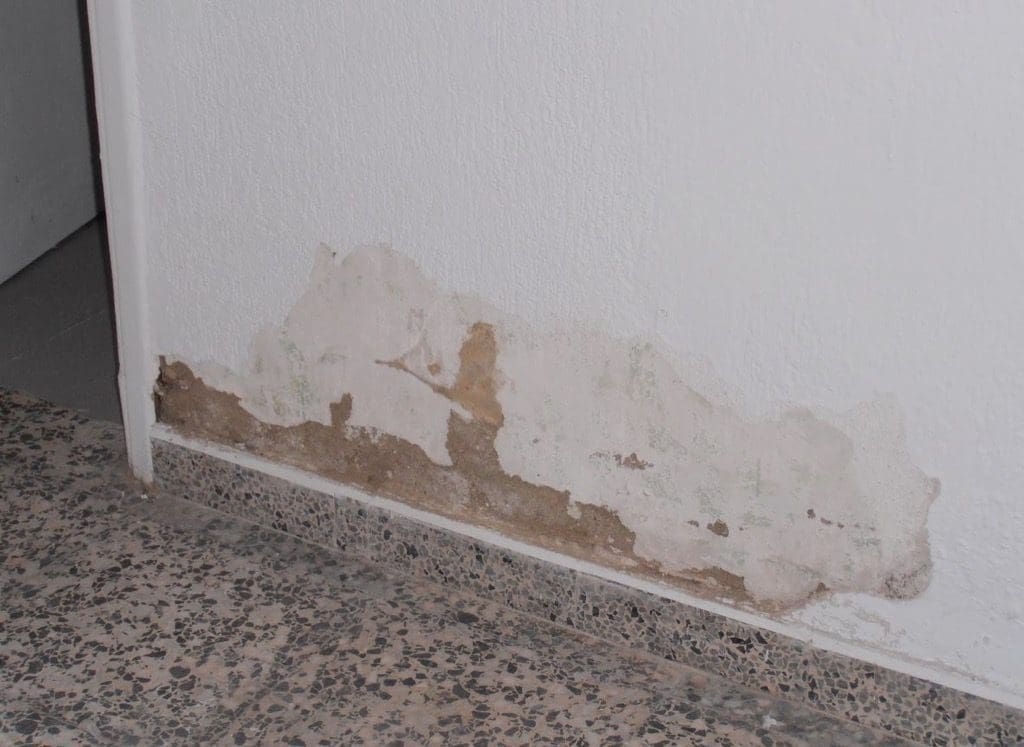
One of the most difficult building-related problems to solve—although it is generally easy to diagnose, with some exceptions—is capillary moisture.
Capillary moisture affects the lower parts of the walls, which are in contact with the ground or other horizontal surfaces. This structural problem typically affects old and historic buildings.
The water causing this moisture may come from rain that soaks into the subsoil, from leaks, or directly from rainwater pooled on the sidewalks coming into contact with the building.
Enclosures may have a hair-cutting barrier. In addition, materials can be more or less permeable, but the most important thing is their chemical composition and pore size distribution.
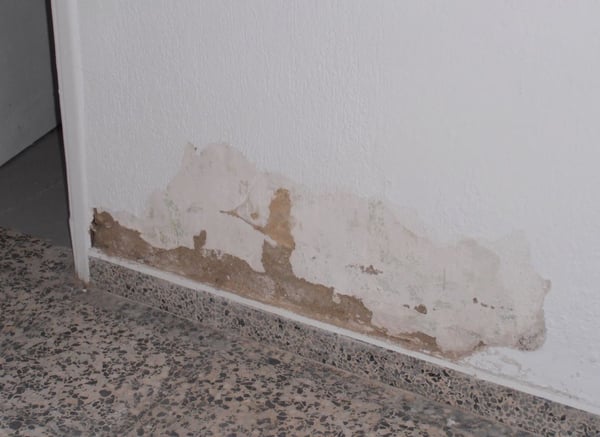
Problems related to the loss of the building's performance as a result of this condition can be categorized into three main groups:
- Cosmetic issues: stains and dirt that detract from the building's neat appearance.
- Health issues: the presence of microorganisms and indoor humidity.
- Durability issues: These are the most significant problems. Mechanical performance is compromised, reducing the service life of the affected parts and necessitating extraordinary repair and maintenance work.
As with any structural problem, the causes may be related to excessive external forces acting on the building or to structural deficiencies in the building itself.
- External Attacks: The main cause of rising damp is the presence of water in the ground, so a series of protective measures will be necessary to prevent it from entering the building.
- Quality defects or material limitations: Porosity is an inherent property of most materials; rather than a defect, it is a limitation on their use, which is why appropriate protective measures must be taken.
- Defects or damage to the structural design: Some examples include improper installation of the bituminous membrane, failure to secure the membrane, lack of ventilation in the crawl space beneath the first floor slab, and discontinuities in the waterproofing system caused by utility connections or installations, among others.
To diagnose this type of moisture problem in buildings, it is recommended to carry out a series of steps described below:
Preliminary Information: information related to the environment (rainfall patterns), the building (constructional characteristics of the building envelope, materials, presence of capillary break barriers, routing of plumbing systems, etc.), the soil (geotechnical information about the site), and the damage (timeline and association with weather conditions or extraordinary circumstances).
On-site Activities: regarding the environment (analyzing the potential impact of moisture), regarding the building (understanding its structural characteristics: site surveys, assessment of functional performance, inspection of sewer and sanitation systems, leak tests on underground plumbing systems, and tests of rainwater drainage and flow paths using simulated rainfall), and regarding damage (mapping and photographing damage and its severity).
Laboratory Tests and Trials: To determine the moisture absorption and moisture content of materials in a laboratory, the best method is to measure the difference in weight between the wet and dry samples.
Studies at the engineering office: Desk research required for the analysis and drawing of conclusions.
To treat these types of conditions, we can take the following steps:
- Soil Drying
- Waterproofing the Foundation
- Installation of a physical hair-trapping barrier
- Insertion of a chemical hair-cutting barrier
- Electro-osmotic barriers
- Repair of Exterior Walls
Check out our course:
Master's Degree in Building Renovation and Energy Conservation