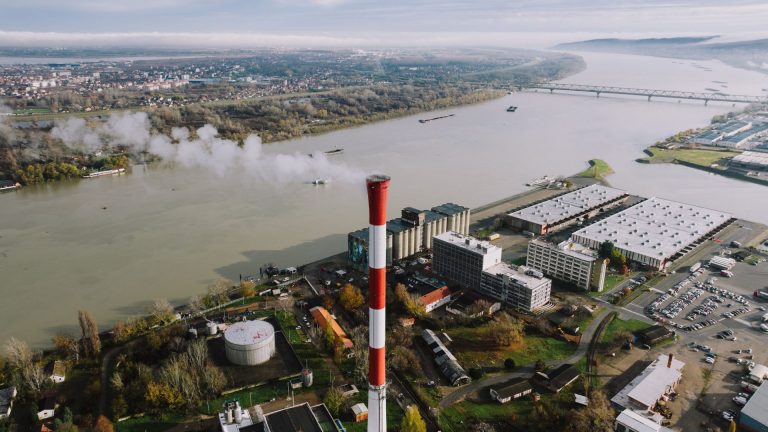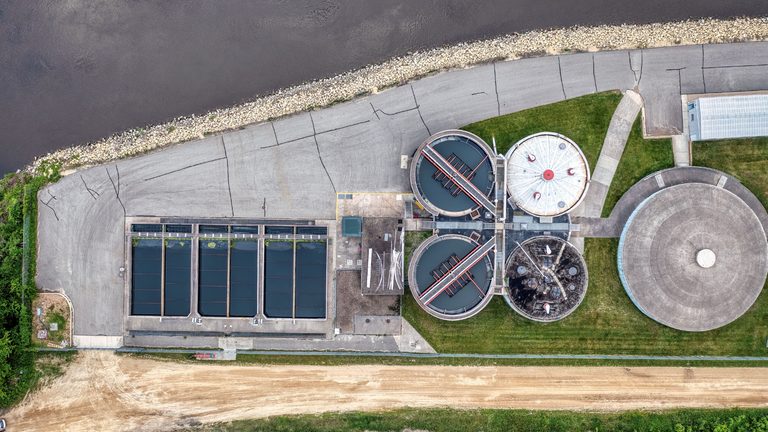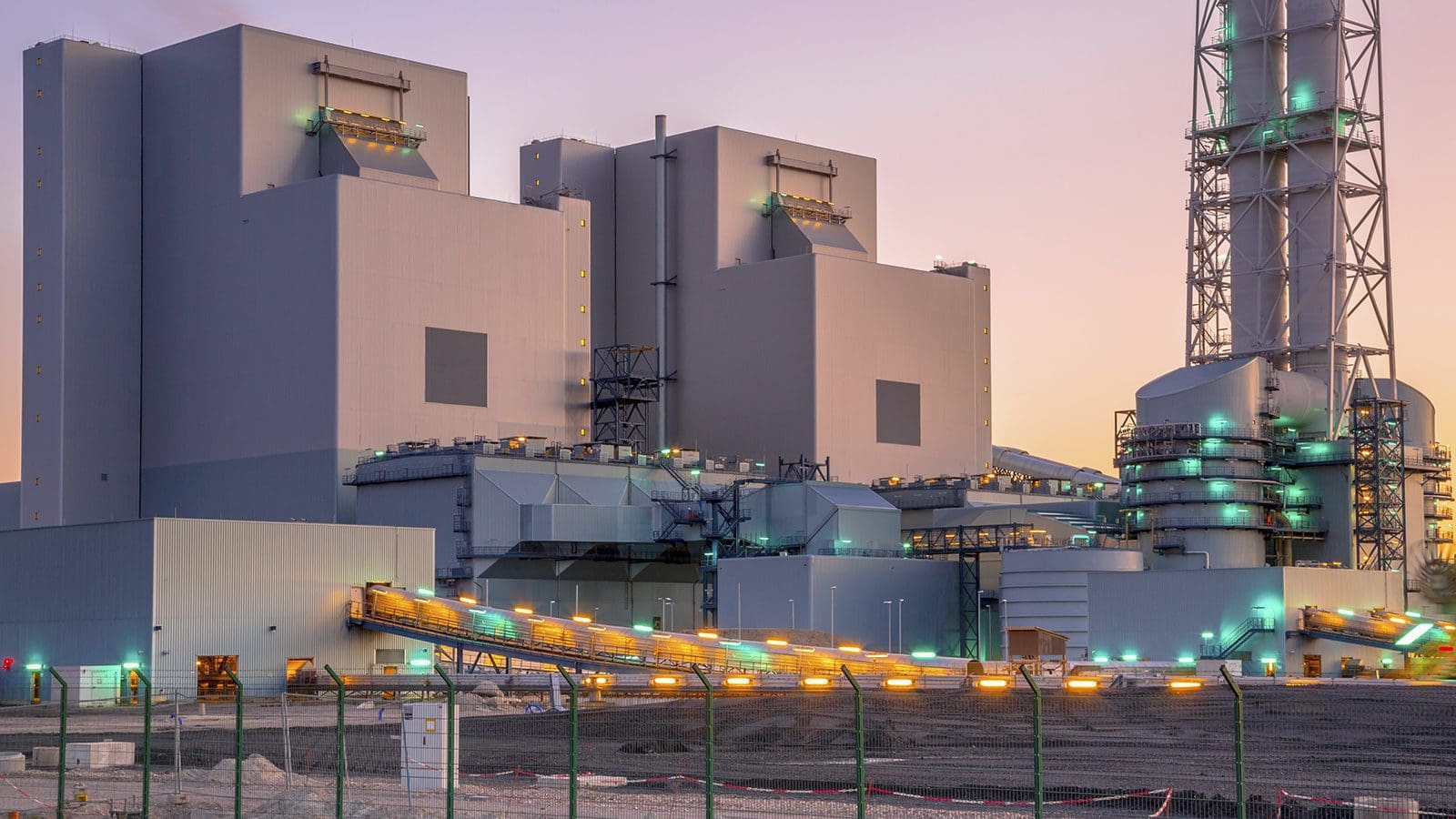
All living animal and plant matter contains some form of stored energy. This energy is present in the form of carbohydrates, including starches, sugars, and cellulose (carbohydrates are produced as a result of photosynthesis). Taken together, the remains of what were once living beings and the waste we leave behind throughout our lives are materials suitable for generating energy. This is the primary activity that occurs in a biomass power plant.
How a Biomass Power Plant Works
In the following sections, we will explain how these types of facilities work and how energy is produced from organic waste in general.
Biomass Power Plant: How Is Biomass Converted into Energy?
Biomass energy is simply carbon-neutral electricity, produced from renewable organic waste products which could have been openly burned, dumped in landfills, or simply left in the woods to cause fires.
The process is as follows:
- The sun's energy is transferred to and stored in plants in the form of chemical energy. When plants are cut down or die, wood chips, straw, and other plant matter are sent to the biomass plant.
- When organic fuel burns, energy is released in the form of heat. Biomass plants burn wood or other types of waste to generate steam.
- The energy produced by the steam is channeled through pipes to power the turbines.
- Turbines produce electricity or generate heat for homes and industries
In most countries, biomass plants have been built in rural areas to provide electricity to the local population. There are waste-to-energy plants that burn trash to generate electricity and power millions of homes. Waste wood or wood chips left over from tree pruning can also be used for this purpose.
Engineering and pollution controls have led to fewer emissions in industrial settings, compared to emissions from the burning of fossil fuels (oil, coal, and natural gas).
Technology
The burning of solid fuels has been the mainstay of steam and power generation for more than 150 years. It is only relatively recently that oil and gas have become available in sufficient quantities to justify their use in large power plants. Coal surpassed wood in use due to its much higher energy density, but wood-fired boilers are still widely used around the world (including in countries such as Indonesia, the Philippines, and Fiji), especially where sustainable wood sources are available. Therefore, Biomass combustion is not a new technology, but in recent years, combustion technologies have been developed to make the most of this resource.
We also note that Biomass plants are becoming increasingly efficient. The exhaust steam from the turbine condenses in a water-cooled condenser in a cooling tower using gray water. The condensate is then recycled back to the boiler.
The hot flue gas is passed through a mechanical cyclone and then further cleaned in an electrostatic precipitator to remove ash and particulates from the gas stream, before being vented into the atmosphere through a tall stack. Ash and effluent sludge are collected and, in some cases, used as fertilizer.
Advances have been made in combustion technology and boiler design to achieve the combined objectives of greater efficiency and fuel-burning capacity, established within a regulatory framework that requires a steady reduction in emission levels.
Renewable energy source
Biomass energy is a renewable and sustainable energy source derived from organic matter, and it can be used to generate electricity. Common materials used to produce biomass fuel include: manure, forest debris, waste wood, mulch, wastewater, certain crops, and some types of waste.
When these plants and animals burn, are converted back into carbon dioxide and water and release the captured solar energy. In this way, we can say that biomass is a renewable energy source, because we can always grow more crops and plants, and there will always be waste. As long as biomass is produced, this renewable energy source will last forever.
Biomass itself contains chemical energy. Thus, when wood—which is an organic fuel—is burned, the chemical energy it contains is released in the form of heat. It can also be used to produce steam, which, in addition, It can be used to generate electricity. Using biomass for energy can reduce waste and also help reduce the amount of waste sent to landfills. As costs rise, people are trying to rely more on biomass and less on fossil fuels.
Although it may seem that biomass contributes to global warming, in fact, It's the other way around. Plants absorb carbon dioxide and release oxygen into the air. When these plants decompose or are burned, carbon dioxide is released into the atmosphere. When these crops are replanted, the new plants use the same CO2 that the burned plants produced. In this way, biomass does not contribute to global warming. However, if the plants are not replanted, the biomass can release carbon dioxide (CO2), which in turn will contribute to global warming.
In short, energy production from biomass is experiencing a boom, as is the case with renewable energy in general. Now that you know how a biomass power plant This might be a good time to specialize in sustainability through one of the master's programs offered by Structuralia in Industry, Energy, and the Environment. These programs are highly recommended for ensuring a comprehensive education in various specialties related to the efficient use of resources and the implementation of practices that reduce the impact of our domestic and industrial activities on the environment.