What are solar thermal power plants, and how do they work?
The solar thermal power plants They have become one of the key infrastructures in modern countries committed to the energy sources of the future. From this perspective, a thorough understanding of what these centers entail—including how they operate and the different types that exist—is an essential part of the training for any professional who works in or wishes to enter the energy sector. For this very reason, this article will focus on these types of facilities.
What are solar thermal power plants?
A solar thermal power plant consists of a an industrial facility that generates electricity by heating a fluid using solar radiation. Thus, once this fluid reaches the appropriate temperature, it is used in a classic thermodynamic cycle that drives an alternator, which ultimately generates electrical energy.
As can be seen, this is a relatively simple system for generating electricity, but one that offers numerous advantages due to its sustainability. Thus, while it is true that The future of businesses lies in their digital transformationl , it is no less true that it is also undergoing an energy transition.
How do these types of power plants generate energy?
To understand the way in which the solar thermal power plants Since they make use of energy, it is appropriate to analyze the existing types:
- Parabolic trough solar thermal power plant. These systems work by directing sunlight using concave mirrors that concentrate the rays onto a heat-transfer fluid, which circulates through a pipe leading to a heat exchanger.
- Solar thermal power plant with heliostats and a central tower receiver. They require a large area, since the rotating heliostats are arranged in a central zone to capture the sun's rays and reflect them onto the facility's tower, causing it to reach extremely high temperatures.
- Solar thermal power plant with linear Fresnel reflectors. These systems are based on the use of flat mirrors mounted on a structure that rotates around an axis to track the sun's path and focus the captured sunlight onto the conduit through which the heat-transfer fluid flows.
What are the main solar thermal power plants in Spain and Latin America?
The number of innovations The developments currently taking place in this field show that it is a booming sector and will continue to be so for decades to come. That being the case, Both in Europe and in the Americas, various solar thermal power plants have been built in order to increase the amount of electricity generated from clean sources.
Thus, Spain’s three main solar thermal power plants are Núñez de Balboa (Badajoz), Talayuela Solar (Cáceres), and Talasol Solar (Cáceres). Coincidentally, construction on all three was completed in 2020.
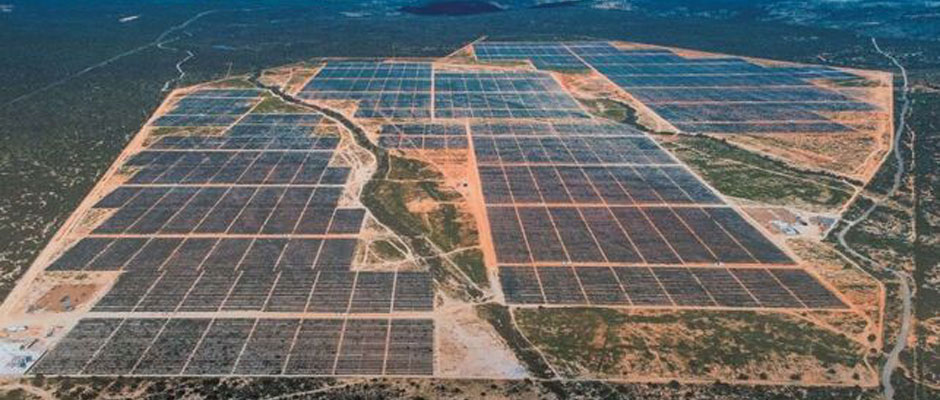
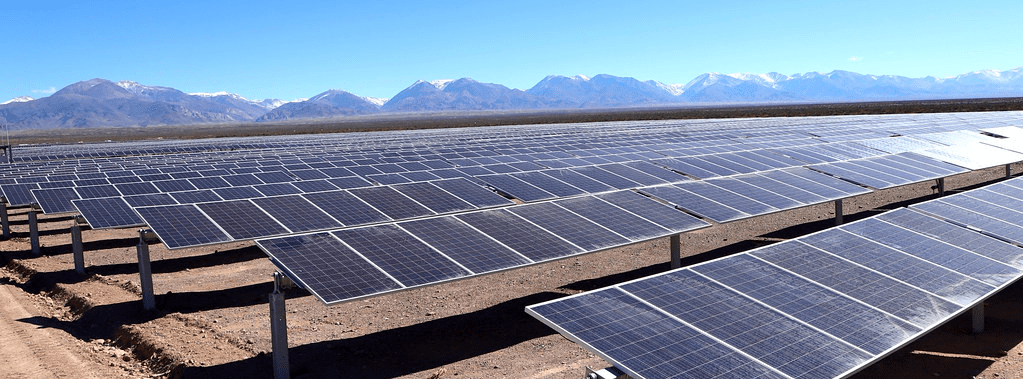
On the other hand, the major solar thermal power plants in Latin America are located in Chile, Mexico, Brazil, and Argentina. In descending order, these are the four largest solar energy producers in all of Latin America and the Caribbean. Notable plants include El Bolero (Chile), Aura Solar (Mexico), Andasol 1 (Brazil), and Iglesia – Estancia Guañizuil (Argentina).
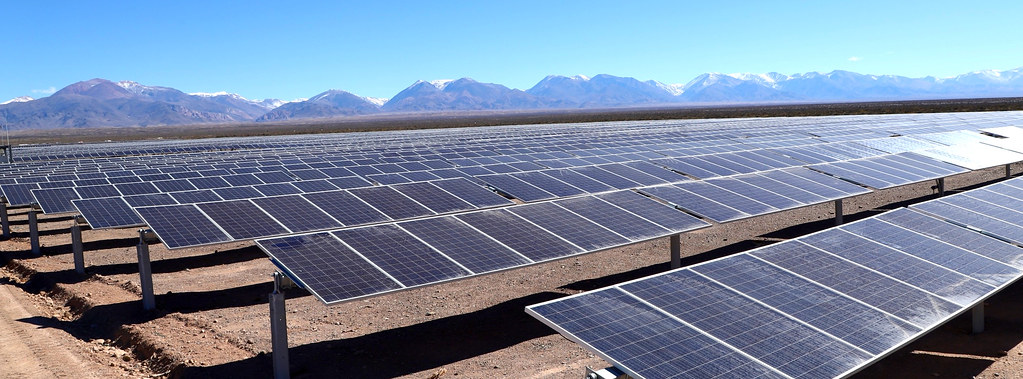
We have already come to understand the importance that solar thermal power plants. This fascinating sector represents the future of energy and, therefore, the future of the world. That is why there has been a renewed appreciation for educational institutions whose curricula include graduate programs related to renewable energy, as is the case with Structuralia. In fact, its extensive catalog offers such interesting options as the Master's Degree in Energy Efficiency and Renewable Energy.
Share this with your contacts!