An overview of the environmental, legislative, and professional aspects surrounding the CEE certification and the Royal Decree 235/2013.
Although cities account for only 2% of the Earth's surface, most of the population lives in them, and therefore, this is where the 70% on Emissions Harmful to the Environment. Although this may seem obvious, it can give us an idea of the sheer scale of the built-up area that surrounds us, and the impact these buildings have on the environment.
Buildings, regardless of their type, are the largest consumers of energy in the European Union and worldwide, as well as the largest emitters of carbon dioxide into the atmosphere. Taken as a whole, theBuildings account for 40 % of the European Union's energy consumption and from the 36 % of greenhouse gas emissions, covering everything from its construction to its demolition.
This only serves to reinforce the the importance of energy efficiency at every stage of the life cycle of the buildings in which we live, and this is the key to achieving the ambitious goal set by the European Union of achieving a carbon neutrality by 2050, in the well-known European Green Deal.
EEC Certificate
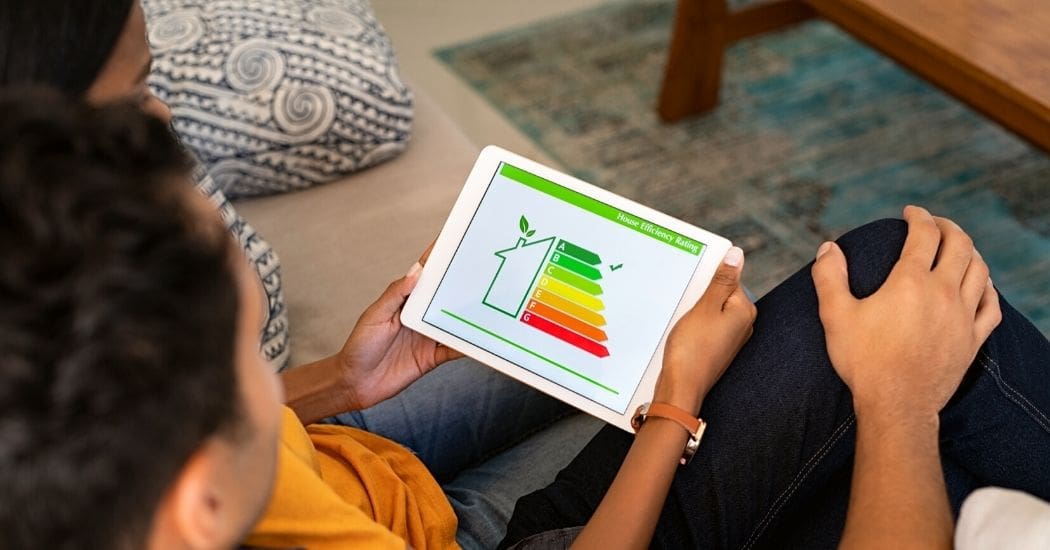
Each country within the European Union has its own measures in place to reduce the environmental impact of buildings by improving their energy efficiency. In the case of Spain, the Royal Decree 235/2013 proposes the Energy Efficiency Certificate (CEE), as a document resulting from a study of the building envelope of the premises or dwelling and its facilities for the purpose of quantify and assess their energy consumption.
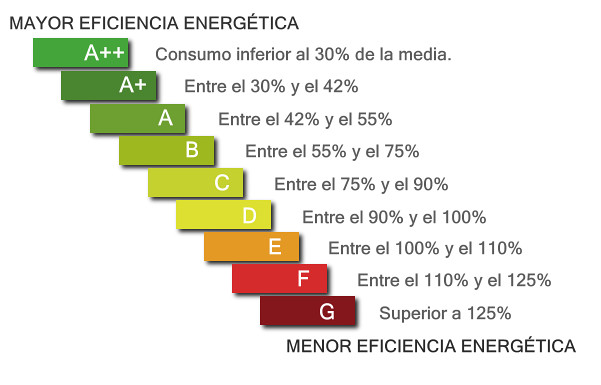
This document is required whenever a real estate transaction—whether a sale or a lease—involving any type of property, including a new construction, takes place. This means that The owner is the one required to apply for this certificate, and then submit it to a notary public. In this way, the transaction will be accompanied by the well-known energy efficiency label, which cIt rates the building's energy efficiency on a scale ranging from ++A to G.
Who can prepare a CEE?
The very Royal Decree 235/2013 It stipulates that the person issuing the energy efficiency certificate must be a qualified technician who holds an academic and professional degree qualification to prepare building design plans or plans for their HVAC systems; or who can demonstrate sufficient professional qualifications to conduct the energy assessment required to issue the certificate.
Beyond the strictly legal requirements, a certification technician must possess the practical, technical, and legislative tools that will enable him to develop a an in-depth study of a building's energy efficiency. You must be familiar with technical codes, local and regional regulations, technological tools such as the CE3X software, and the fundamental construction and technical concepts related to building and architecture, and stay up to date on changes and developments in the industry.
Structuralia It offers a wide range of advanced training resources for industry professionals that can complement and specialize the training of architects and engineers seeking to advance their careers in the field of building energy efficiency.