When it comes to performing the foundation of a house, it is necessary to plan properly and have the right knowledge to ensure the project is a success. In this post We will focus on discussing the types and characteristics of foundations and the materials used to construct them.
Definition of a foundation
Foundations are the structures that support the buildings and distribute the loads evenly to the ground. Consequently, they are considered primary structural elements in buildings. In addition to providing support and anchorage for the walls that enclose the spaces, they act as insulation against moisture and cold.
Types and Characteristics of Foundations
The foundation It is divided into two broad categories. This classification is based on the depth of the ground in which the foundation has been installed:
- The shallow foundations are used for small, lightweight structures. They can be constructed at depths of up to one meter. They are divided into footings and slabs, which may be separate or joined and, as their name suggests, are located near the surface.
- The deep foundations They are performed at depths ranging from 20 to 65 meters and are indicated for large, heavy buildings. They rest on the bearing layer—such as rock—to support the structure. This group includes retaining walls, piles, and columns, among other examples.
House Foundations: mmaterials
The main materials used to build foundations are stony, since they must withstand their underground location and resist wear caused by seismic activity or the corrosive effects of the soil. They can be made from reinforced concrete o masonry and they are generally trapezoidal in shape to improve force transmission at their base and provide more stable support.
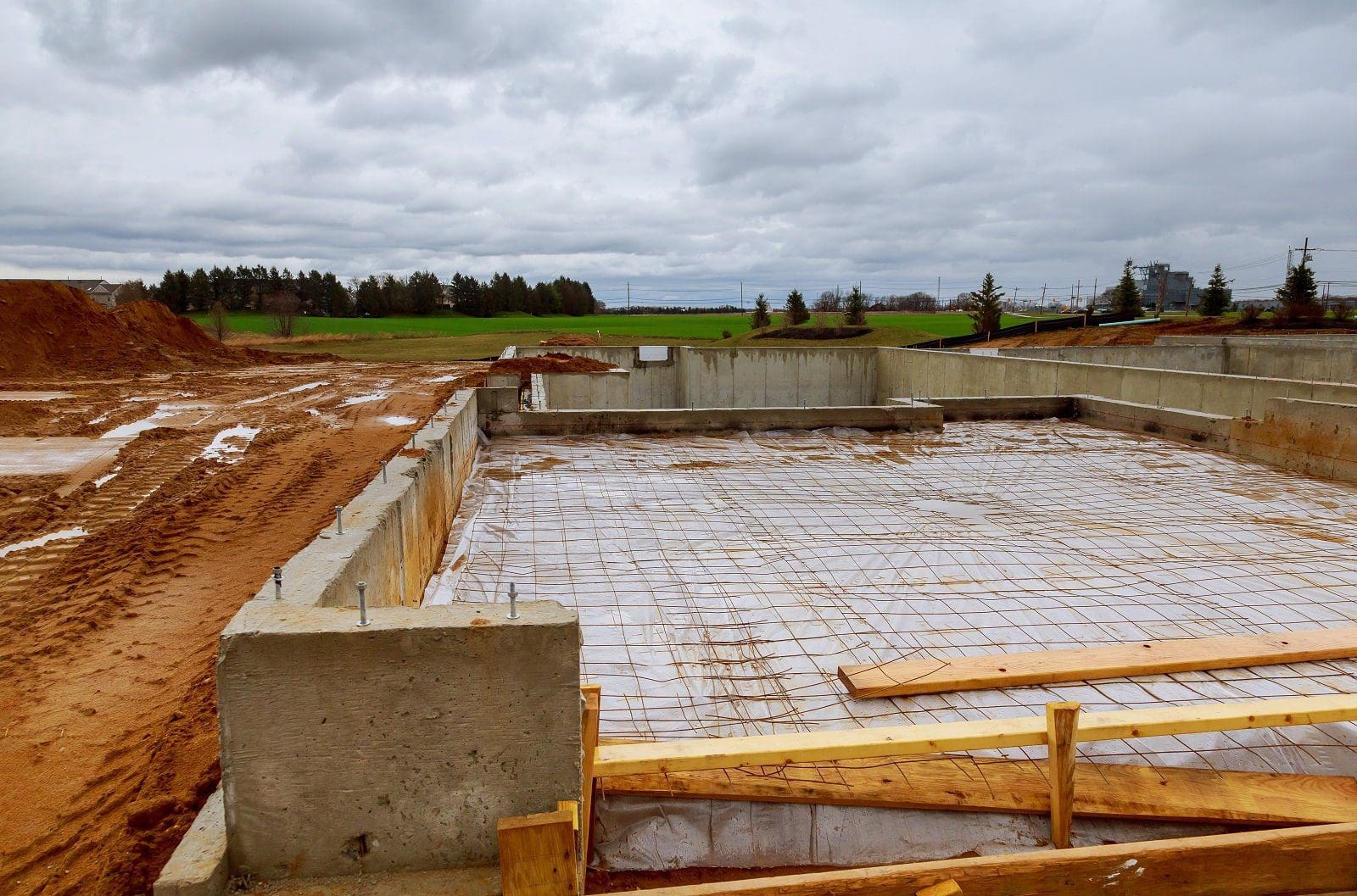
Masonry foundations are constructed using stone blocks bonded together with mortar. These blocks are laid according to the shape and dimensions that were previously calculated. In contrast, if we use concrete, we must construct the foundations by placing rebar, setting up formwork, and pouring the concrete.
Most traditional homes are built using a combination of mud, sand, clay, stone, and wood. However, thanks to the technological advances available on the market today, the manufactured materials, such as concrete blocks and metal roofing, are replacing traditional products.
Today, many architects and engineers are opting to use these elements in shallow foundations, including in low-budget construction projects.
In conclusion, the foundation of a house It is one of the most important steps in ensuring the structure's stability and durability. As graduate school, We offer engineers, architects, and other professionals in the sector a Specialized Master's Degree in Construction. This will provide an overview of all the material and technical resources needed to carry out the aforementioned service and other similar projects with professional results.